European Central Bank Warns of Rising Inflation Risks as New Forecasts Loom
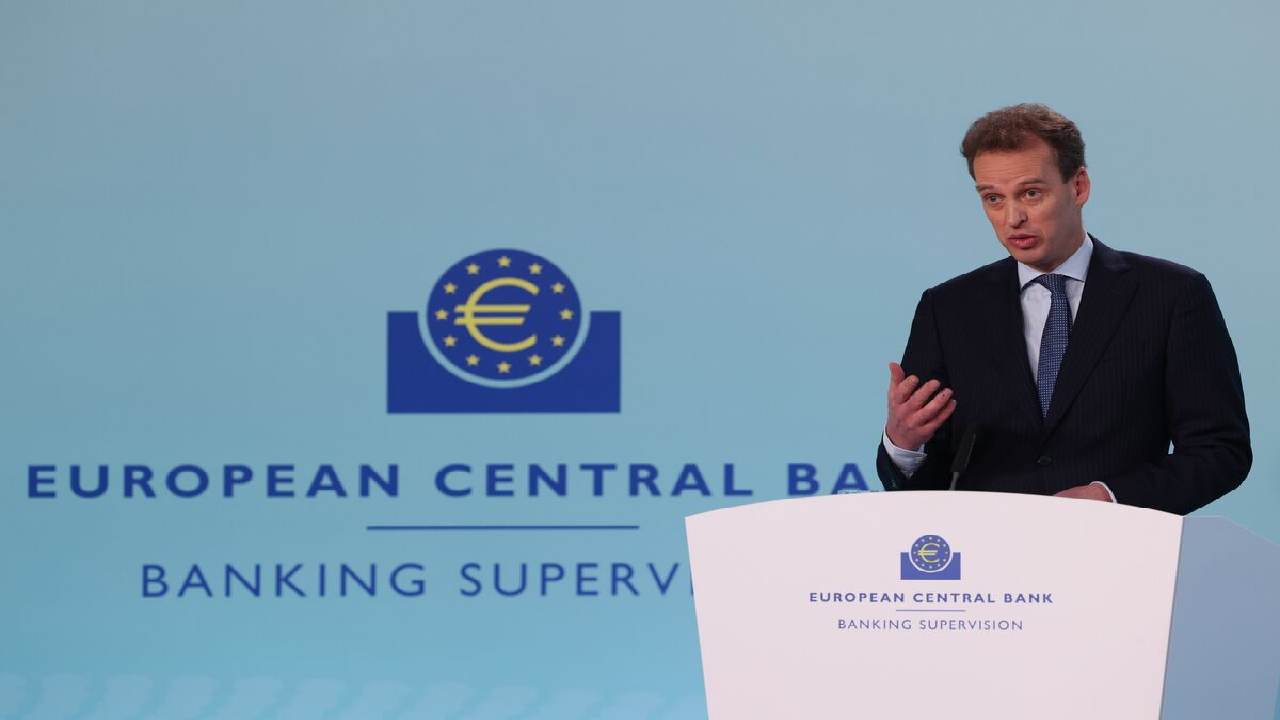
Ohana Magazine – European Central Bank Chief Economist Philip Lane raised a quiet alarm this week. After months of assuming inflation would continue to fade, he admitted the latest numbers told a different story. Recent data showed unexpected increases in several price categories, enough to make policymakers pause. Lane, known for his cautious tone, acknowledged that the risk of inflation rising again had not disappeared. His remarks came at a moment when businesses, households, and financial markets hoped for stability. The euro zone had spent years wrestling with soaring prices. Now, just as the economy seemed calmer, the data pointed upward again, hinting that the road to the ECB’s 2% target may not be as smooth as earlier believed.
Surprise Data Challenges the ECB’s Confidence
Lane reminded audiences that inflation hovered near the ECB’s goal for most of the year. Yet some indicators in the past two months arrived higher than economists expected. These surprises pushed analysts to rethink their assumptions. The ECB had projected a decline in inflation early next year, driven largely by lower energy costs. But the recent numbers challenged this view. Lane explained that some of the data had “moved in the opposite direction,” shifting the tone inside the central bank. For many observers, the message was clear: the euro zone was not fully out of danger, and the next few months could still bring uncomfortable shifts in prices.
“Read More : Tracing the Shifting Story Behind the Trump Administration’s “Double-Tap” Strike“
The ECB’s Earlier Forecasts Face New Pressure
In September, the ECB predicted inflation would reach 2.1% this year, fall to 1.7% in 2026, and settle around 1.9% in 2027. These estimates suggested a gentle return to normal. Lane is now preparing to present a new set of numbers on December 18. For the first time, the projections will include 2028. Markets expect the ECB to keep its policy rate steady at 2%, yet the updated forecasts could shape expectations for the next year. Investors and households alike will be watching closely. A shift upward would signal that price pressures remain stubborn. A shift downward would confirm that recent increases were only temporary.
Headline Inflation Edges Up Again
The latest monthly reading showed headline inflation rising to 2.2%, slightly above expectations. Services prices, often more stable but harder to control, were the main driver. In October, underlying inflation which excludes food and energy also rose more than forecasted. These movements, though small, matter. They show that inflation may not be easing as smoothly as the ECB once hoped. Economists often treat services inflation as a sign of deeper forces, such as wage growth and domestic demand. When it rises, the central bank pays attention. Lane stressed that these details help explain why the ECB views the current moment with both optimism and caution.
“Read More : After ‘Progress’ in Ukraine Peace Talks, US Diplomacy Faces a New Kremlin Test“
Balancing Short-Term Noise and Long-Term Stability
During his speech, Lane repeated a familiar principle: the ECB should not overreact to short-term fluctuations that are likely temporary. He urged patience, reminding listeners that inflation can jump or slow from month to month. What matters is the trend over time. Still, he acknowledged that recent surprises must be taken seriously. They may influence how the bank interprets future risks. Lane’s comments reflected a delicate balance maintaining confidence while remaining alert. For millions across Europe, the message carried emotional weight. Families still adjusting to years of rising costs want reassurance. Businesses planning for 2026 want clarity. And the ECB now stands at a crossroads, preparing decisions that could shape Europe’s financial path for years.
A Region Waiting for Direction
As December 18 approaches, the mood inside financial circles grows more intense. New forecasts will offer a clearer picture of how the ECB views the road ahead. Lane’s warning signals that policymakers are ready to adapt if needed. The central bank aims to protect households from persistent inflation without stalling the fragile recovery. For now, the message is simple: the fight is not finished. The euro zone must stay alert. And the ECB must navigate each shift with precision, data, and a steady hand.