How People Can Shape Global Politics Through Game Theory and Civic Power
Fundacion Rapala – For decades, global politics revolved around governments, armies and formal diplomacy. Today, ordinary citizens increasingly shape outcomes that once seemed reserved for state leaders. Armed with digital platforms, instant communication tools and real-time data, they influence the incentives that drive modern geopolitics. This shift dramatically expands the cast of actors in strategic decision-making. When people expose lies, verify facts or mobilize public pressure, they alter the “game board” that leaders navigate. These actions matter because global conflicts often stem from mistrust, miscalculation and secrecy. Each layer of transparency added by citizens makes aggressive behavior costlier and cooperation more appealing. Because Nash equilibrium depends on players choosing the most rational strategy based on others’ actions, citizens can change what counts as “rational.” Their influence, though dispersed, now functions as a collective force that modifies outcomes far beyond national borders.
Game Theory Evolves Beyond State-to-State Interactions
Traditional models like the Prisoner’s Dilemma or the Stag Hunt help explain why peace is difficult to achieve. States often prepare for the worst, even when cooperation would yield better results. Yet these theories assumed only governments held meaningful power. Today, civil society groups, diaspora communities and investigative journalists generate new dynamics. When Syrian civilians uploaded battlefield footage, they forced governments to acknowledge events they preferred to deny. When Hong Kong protesters used encrypted apps to coordinate, they demonstrated how non-state actors can complicate authoritarian strategies. Citizens reshape expectations about trust, betrayal and coordination, making old models feel incomplete. Their actions adjust the payoffs for leaders: hiding information becomes harder, building alliances becomes easier and ignoring public pressure becomes riskier. As a result, the strategic landscape is no longer controlled solely by states but by millions of active participants.
“Read More : Germany’s Approves New Plan to Attract More Military Recruits as Europe Confronts Rising Tensions with Russia“
Transparency Becomes a Strategic Tool in Citizens’ Hands
Transparency stands at the center of modern civic influence. Open-source intelligence (OSINT) allows people to verify images, track troop movements or debunk propaganda in real time. Bellingcat, for example, turned satellite imagery and smartphone videos into powerful tools for truth-seeking. During the war in Ukraine, citizen analysts geolocated missile strikes within minutes, often faster than government agencies. This visibility transforms political behavior. When leaders know the public can uncover deception, the cost of defection rises sharply. Aggressive actions no longer hide behind secrecy, making cooperation the less costly option. Transparency also strengthens global solidarity. Ordinary people can see evidence, share context and mobilize others across continents. These efforts generate a level of accountability that once required large institutions. In many conflicts, sunlight has become the strongest deterrent powered not by states but by ordinary citizens with digital tools.
Reputation and Norms Become Weapons of Influence
In global politics, reputation carries immense weight. Countries seek legitimacy, alliances and moral authority; citizens can alter these incentives with surprising effectiveness. Campaigns like #BringBackOurGirls or the push for the Ottawa Landmine Treaty demonstrated how public pressure shapes national behavior. More than 160 nations signed the landmine ban largely because refusing it became reputationally damaging. People can spotlight injustice, amplify suffering and expose hypocrisy, often forcing governments to rethink strategies. When citizen movements grow loud enough, leaders recognize that defection from moral norms carries long-term diplomatic costs. This reputational pressure pushes states toward cooperative equilibrium because preserving global credibility becomes a strategic necessity. In this way, citizens act as informal regulators of international behavior, raising the political price of aggression while rewarding peaceful commitments. Their collective voice, when sustained, becomes a force states can no longer disregard.
“Read More : OpenAI Tests Ads on ChatGPT Android as User Growth Surges Past 800 Million Weekly“
Coordination Networks Forge New Paths Toward Cooperation
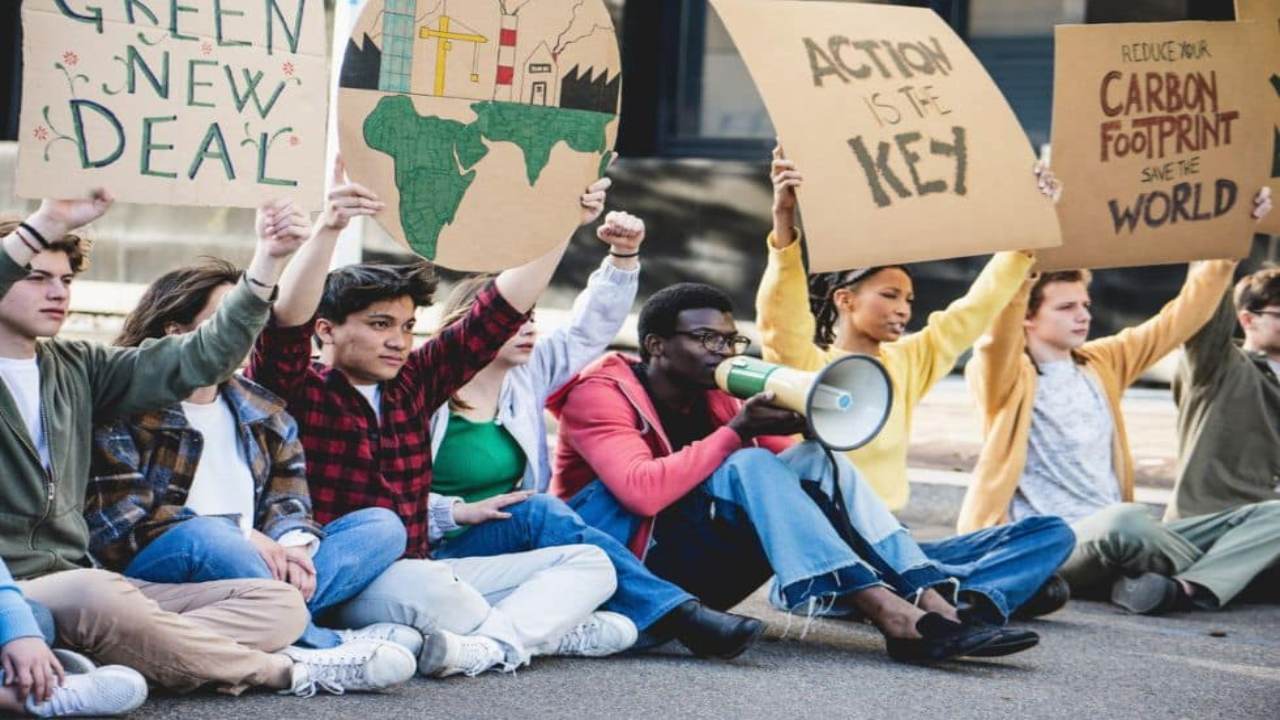
Another powerful form of citizen influence emerges through transnational coordination. NGOs, activist coalitions and grassroots movements build relationships across borders, creating informal diplomatic networks that complement or challenge state strategies. These groups reduce uncertainty between parties by offering communication channels outside government control. Climate movements, for example, connect scientists, religious leaders and student activists who pressure governments to honor environmental commitments. These networks resemble the “assurance mechanisms” described in game theory: they help each player believe others will also cooperate. As trust increases, the likelihood of mutual cooperation rises. Civilians can therefore shift outcomes not through force but through reliable signals, shared frameworks and persistent communication. Their coordination fills the gaps left by formal diplomacy, providing a stabilizing effect in situations where states cannot or will not trust each other fully.
Digital Memory Reinforces Cooperation and Punishes Defection
Game theory shows that repeated interactions encourage trust. Digital technology now preserves these interactions indefinitely, turning the internet into a global record of cooperation and betrayal. Social media archives, blockchain tools and open databases store evidence that helps citizens monitor whether governments meet their promises. Climate watchdog groups track national pledges under the Paris Agreement. Human rights activists document violations that resurface years later in international courts. These digital traces make it harder for states to defect quietly or rewrite history. They also reward cooperative behavior by showcasing transparency and consistency. Through digital memory, citizens become long-term enforcers of international norms. Leaders know their actions will be recorded, analyzed and shared globally. This persistent scrutiny encourages more stable, cooperative strategies pushing global politics a little closer to a peaceful Nash equilibrium shaped by public vigilance.