Trump Orders Chinese-Controlled Firm to Unwind U.S. Chip Deal Amid Security Concerns
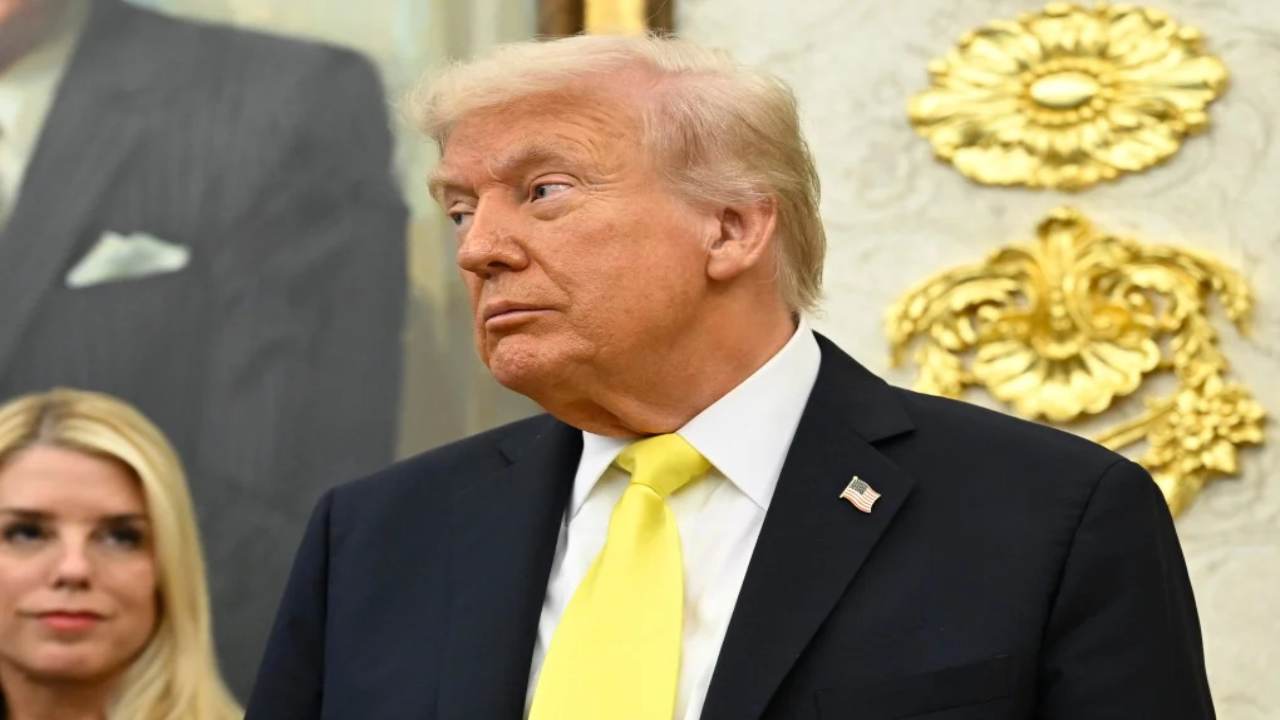
Ohana Magazine – Late on January 3, 2026, President Donald Trump signed an executive order that sent a clear signal to global investors. He directed a Chinese-controlled company to reverse its acquisition of U.S. semiconductor assets, citing national security risks. Although the deal was worth only $2.9 million, its impact feels much larger. In today’s climate, even small technology transactions can trigger major political reactions. Semiconductors now sit at the heart of economic power, military strength, and digital control. As a result, Washington treats chip-related deals with extreme caution. This decision reflects a broader shift in U.S. policy, where technology protection outweighs open-market flexibility. For many observers, the order confirms that chip assets no longer move freely across borders.
Why the Chip Assets Triggered Alarm
U.S. officials focused on what the deal involved, not its price. The acquisition included chip designs, wafer processing, and manufacturing knowledge from Emcore, a U.S.-based firm. More importantly, it involved indium phosphide chips. These chips play a key role in defense systems, navigation tools, and advanced communications. Regulators feared that control over these assets could weaken U.S. supply security. They also worried about potential access to sensitive intellectual property. Even without signs of wrongdoing, officials chose caution. In this environment, the ability to access critical technology matters as much as how it is used. The government decided that preventing future risk was better than reacting later.
“Read More : Trump Administration Faces Dual Pressures as SCOTUS Reviews FTC Firing Case”
Missed Review Raised Serious Concerns
The deal drew further scrutiny because it bypassed a key review process. HieFo did not notify the Committee on Foreign Investment in the United States, known as CFIUS. Once authorities discovered the transaction, they launched a review through a special monitoring team. That review quickly raised red flags. Officials found risks linked to access to Emcore’s proprietary knowledge and technical expertise. As a result, the government moved fast. The case highlights a clear lesson for investors. U.S. regulators now expect full transparency, especially in sensitive sectors. Skipping review no longer speeds things up. Instead, it often brings tougher consequences.
HieFo’s Growth Plan Hits a Wall
HieFo described the acquisition as a way to preserve jobs and innovation. The company said it kept most engineers and continued operations at Emcore’s California facility. It also highlighted decades of experience in optoelectronic manufacturing. Yet these arguments failed to ease political concern. Ownership and control mattered more than intent. Under the new order, HieFo must divest the assets within 180 days. It must also cut access to all technical information immediately. This move effectively ends HieFo’s plans in the U.S. chip sector. The case shows how quickly political priorities can override business strategies.
“Read More : Ukraine Expands Its Energy War Strategy as Strikes Push Russia Into Economic Pressure”
China Pushes Back on Washington’s Move
Chinese media reacted sharply to the decision. The state-linked Global Times called the order a sign of U.S. anxiety over tech competition. It argued that Washington lacked strong justification. This response reflects wider frustration in Beijing. Many Chinese firms believe the U.S. blocks them regardless of deal size or intent. Meanwhile, U.S. officials frame the move as protection, not punishment. The divide highlights how technology has become a political battleground. Business decisions now carry diplomatic weight. As rivalry grows, neutral ground continues to shrink.
What This Means for Global Tech Deals
This case sends a strong warning to foreign investors. Any deal tied to advanced technology will face deep scrutiny in the U.S. Size no longer offers protection. For American firms, the ruling reinforces the need for careful partner selection. For policymakers, it confirms a tougher stance on tech security. Semiconductors remain central to defense, AI, and automation. Because of that, similar actions may follow. In today’s market, technology deals are no longer just business moves. They are strategic choices with national consequences.