The Rise of the Long Engagement: Why Couples Are Waiting Longer Than Ever to Say “I Do”
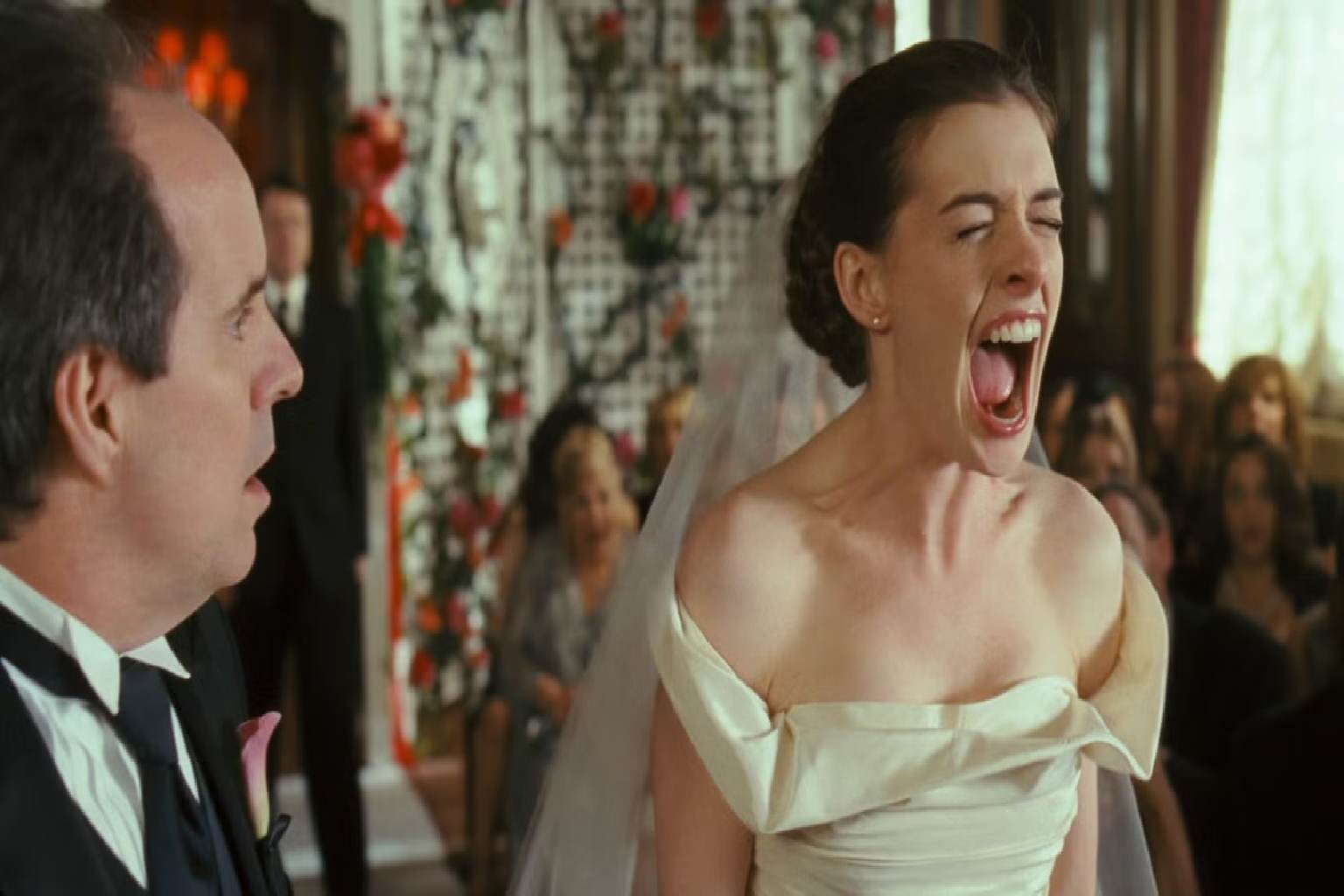
Ohana Magazine – Not long ago, an engagement felt like the starting gun for a clear timeline toward marriage. Friends congratulated the couple and immediately asked for a date. Today, that question often lingers unanswered for years. Many couples now remain engaged far longer than tradition once allowed, turning what was meant to be a short transition into a distinct life phase. This shift reflects deeper changes in how people view commitment, stability, and timing. Instead of rushing toward the aisle, couples increasingly treat engagement as a flexible promise rather than a fixed plan. As a result, weddings move further into the future while daily life carries on. The engagement ring signals intention, yet the ceremony waits patiently. This modern pause has reshaped expectations, leaving families surprised and couples more reflective. What once felt unusual has quietly become normal.
Minus-One Anniversaries and the New Ways Couples Celebrate Commitment
As engagements stretch on, couples have invented new rituals to mark the passage of time. One emerging trend is the so-called “minus-one anniversary” party, held a year before the planned wedding date. Rather than celebrating marriage, couples celebrate being engaged. This shift highlights how engagement itself has become something to savor, not merely endure. For many, these events offer emotional reassurance and a chance to gather loved ones without the pressure of a full wedding. The celebration acknowledges that commitment already exists, even if the ceremony feels distant. In this way, engagement becomes its own milestone. These gatherings also soften social expectations, signaling that love and stability do not depend on immediate vows. Instead, couples claim the right to define their own rhythm, even if that rhythm unfolds slowly.
“Read More : Sir David Beckham, A Royal Honor for an Icon Who Shaped Football and Philanthropy”
Celebrity Long Engagements and Cultural Normalisation
High-profile relationships have also reshaped how society views prolonged engagements. Stories of celebrities who stayed engaged for years, or even decades, have normalized the idea that marriage does not need urgency. Public figures often face demanding careers, constant travel, and intense scrutiny, which makes delay understandable. Over time, these examples have filtered into everyday culture. When people see familiar names navigating love without strict timelines, patience feels acceptable. Even pop culture reinforces this shift, as films like Four Weddings and a Funeral humorously portray uncertainty around commitment. Although celebrity lives differ from ordinary ones, their choices still influence expectations. Gradually, society has absorbed the idea that love can thrive without haste, and that waiting no longer signals doubt or failure.
Marriage Happens Later as Life Priorities Change
Another powerful reason behind longer engagements lies in shifting life milestones. Many couples now get engaged later than previous generations. According to official statistics in the UK, the average age of marriage has increased by nearly a decade since the 1970s. With this change, priorities often shift toward buying property, building careers, or starting families before hosting a wedding. Engagement becomes a practical bridge rather than a sprint. For couples aware of biological timelines, children may arrive before marriage. This reversal challenges old norms but reflects modern realities. Engagement offers emotional security while allowing flexibility. Instead of asking “why wait?”, couples ask “why rush?”. The answer often lies in stability, planning, and a desire to enjoy marriage without financial or emotional strain.
Wedding Costs and the Emotional Weight of Financial Planning
Money also plays a decisive role in stretching engagement timelines. Weddings have become increasingly expensive, with costs projected to rise further in coming years. Once couples begin planning, excitement often collides with budget reality. Faced with venue fees, catering, photography, and travel, many choose patience over compromise. Engagement parties offer a way to celebrate love without financial stress, while saving continues quietly in the background. This decision reflects maturity rather than reluctance. Couples want a day that feels joyful, not rushed or financially draining. Delaying the wedding allows them to align expectations with reality. In this context, a long engagement becomes a strategy, not a setback. Love remains constant, while the celebration waits for the right moment.
Career Pressure, Decision Fatigue, and Planning Paralysis
Modern work culture has also reshaped engagement lengths. Many couples work long hours, commute extensively, and manage demanding careers. Wedding planning, with its endless decisions, often feels overwhelming rather than exciting. Research shows that much of this planning burden still falls on women, adding emotional labor to already full schedules. At the same time, social media floods couples with options, creating decision fatigue. Endless scrolling leads to comparison rather than clarity. Couples hesitate, waiting for the “perfect” choice that never fully appears. In this environment, engagement stretches by default. Time slips by, not from doubt, but from exhaustion. The delay reflects modern life pressures, where love exists alongside busy calendars and limited mental space.
Long Engagements as a Mirror of Modern Relationships
Ultimately, longer engagements reveal how relationships have evolved. They highlight honesty about limitations, whether financial, emotional, or logistical. Therapists often note that delay itself is not the problem. Uncertainty without communication is. When couples understand their reasons and move forward together, time becomes an ally rather than an obstacle. Long engagements can deepen connection, allowing partners to grow alongside life’s demands. However, when delay masks fear or avoidance, tension can quietly build. The modern engagement, therefore, acts as a mirror. It reflects how couples balance love, ambition, and vulnerability. Waiting no longer feels like failure. Instead, it signals a conscious choice to enter marriage with intention, clarity, and shared understanding.