Tragedy at LaGuardia Airport: What We Know About the Deadly Collision That Shook Aviation Safety
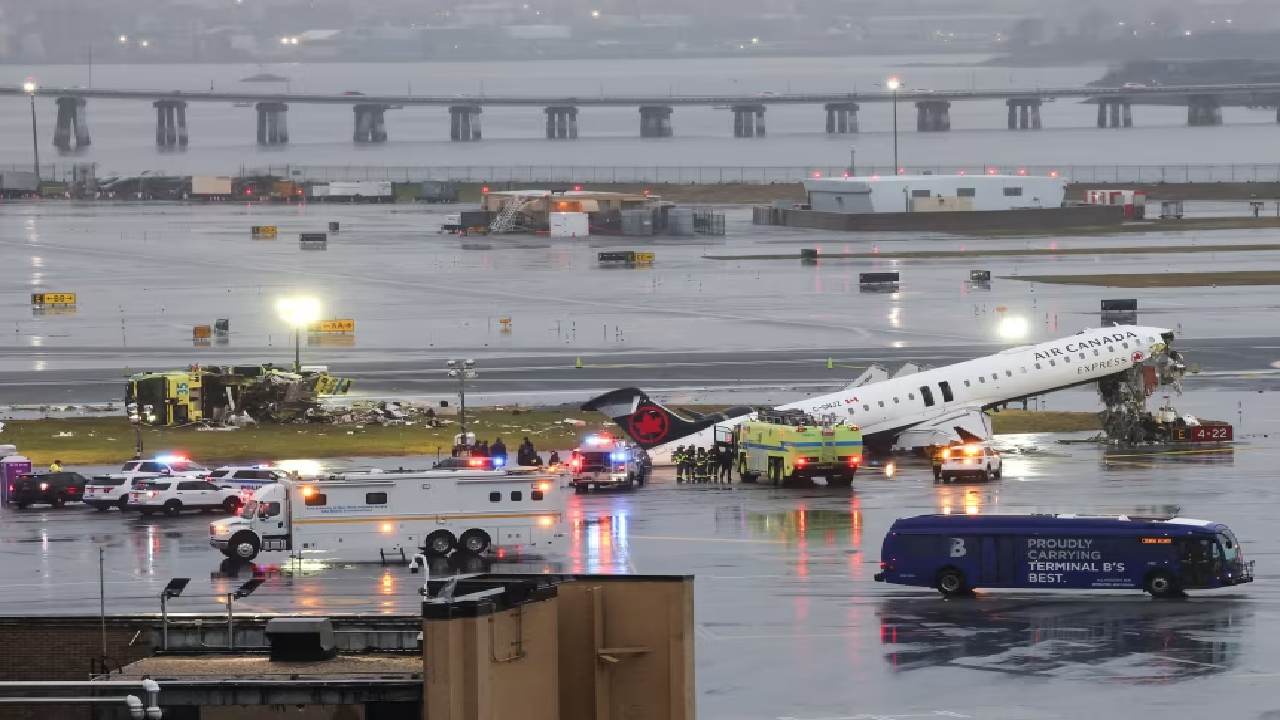
Ohana Magazine – A routine flight turned into a terrifying disaster at LaGuardia Airport, leaving passengers in shock and disbelief. An Air Canada Express aircraft collided directly with an emergency vehicle on the runway, creating chaos within seconds. Inside the cabin, fear spread quickly as the plane shook violently, forcing passengers to brace for impact. Many people screamed, while others froze, unsure of what would happen next. Some passengers later described how they carefully stepped onto the wing to escape the damaged aircraft. Meanwhile, flashing lights and emergency sirens filled the dark runway, creating a scene that felt surreal. This tragic moment not only disrupted airport operations but also left deep emotional scars. For many survivors, the experience will stay with them for a lifetime.
The Timeline Leading to the Fatal Collision
The events that led to the collision unfolded rapidly and left little room for correction. The Air Canada flight departed from Montreal and approached LaGuardia smoothly, without early warning signs. At the same time, another aircraft reported an issue on the ground, which triggered an emergency response. A firefighting vehicle quickly moved toward the runway and requested clearance to cross. However, timing became critical, and coordination failed at a crucial moment. Within minutes after air traffic control cleared the plane to land, both the aircraft and the emergency vehicle occupied the same space. The collision followed almost instantly. Investigators now focus on this narrow timeline to understand how communication and decision-making broke down during those critical minutes.
“Read More : Eid al-Fitr 1447 H in Saudi Arabia and Europe is set fo“
Lives Lost and Injuries That Shook the Community
This tragic incident claimed the lives of two pilots, sending shockwaves through the aviation community and beyond. Families now face unimaginable grief as they process the sudden loss of their loved ones. In addition, dozens of passengers and crew members suffered injuries, ranging from minor to severe. One of the most disturbing accounts involved a flight attendant who was thrown from the aircraft while still strapped to her seat. Survivors continue to deal with both physical pain and emotional trauma. Many passengers described the fear they felt as the situation unfolded, highlighting the human cost of the disaster. This tragedy reminds us that behind every aviation incident, real people carry the weight of loss, fear, and recovery.
Emergency Response and Immediate Aftermath
Emergency teams reacted quickly and worked tirelessly to manage the situation after the collision. Firefighters, paramedics, and airport staff rushed onto the runway within minutes, focusing on rescuing passengers and controlling the scene. They guided people out of the aircraft and provided immediate medical attention to the injured. Despite the chaos, responders maintained coordination and professionalism under intense pressure. Passengers moved carefully away from the wreckage, many still shaken by the experience. At the same time, authorities secured the area to prevent further danger. This rapid response helped limit additional harm and ensured that victims received urgent care. However, the scale of the incident revealed how complex emergency management can become at a major airport.
“Read More : Iowa Pulls Off a Major Upset, Defending Champion Flori“
Impact on Airport Operations and Travel Disruptions
The collision disrupted operations at LaGuardia Airport and affected thousands of travelers within hours. Authorities immediately halted airport activity to secure the area and support the investigation. As a result, airlines canceled hundreds of flights, leaving passengers stranded and frustrated. Travelers faced long delays, missed connections, and sudden changes to their plans. In addition, officials closed one of the main runways for several days, which further reduced airport capacity. This disruption spread quickly across the broader flight network, showing how one incident can impact an entire system. For many passengers, the inconvenience added stress to an already frightening experience. The situation clearly demonstrated how critical airport coordination remains in maintaining smooth operations.
Ongoing Investigations and Safety Concerns
Authorities from both the United States and Canada have launched a full investigation into the collision. Investigators now examine air traffic control communication, runway procedures, and the actions taken by both pilots and ground crews. They aim to identify the exact cause and prevent similar incidents in the future. This case has also raised new concerns about aviation safety, especially after several high-profile incidents in recent years. Experts now call for stronger coordination systems and better communication protocols. In addition, regulators may review current safety standards to address potential gaps. The findings from this investigation will likely shape future policies and improve safety measures across the aviation industry.
A Wake-Up Call for the Aviation Industry
The LaGuardia tragedy serves as a strong reminder that aviation safety requires constant attention and improvement. Although modern technology has reduced many risks, human error and system failures can still lead to serious consequences. This incident has pushed industry leaders to reflect on current practices and consider necessary changes. Airlines, regulators, and airport authorities must now work together to strengthen safety systems and communication procedures. At the same time, the emotional impact of this event highlights the importance of protecting every life involved in air travel. Each lesson learned from this tragedy can help prevent future disasters. Ultimately, this moment challenges the industry to prioritize safety above all else.