Defense Stocks Surge as Germany Prepares Historic $60 Billion Military Spending Plan
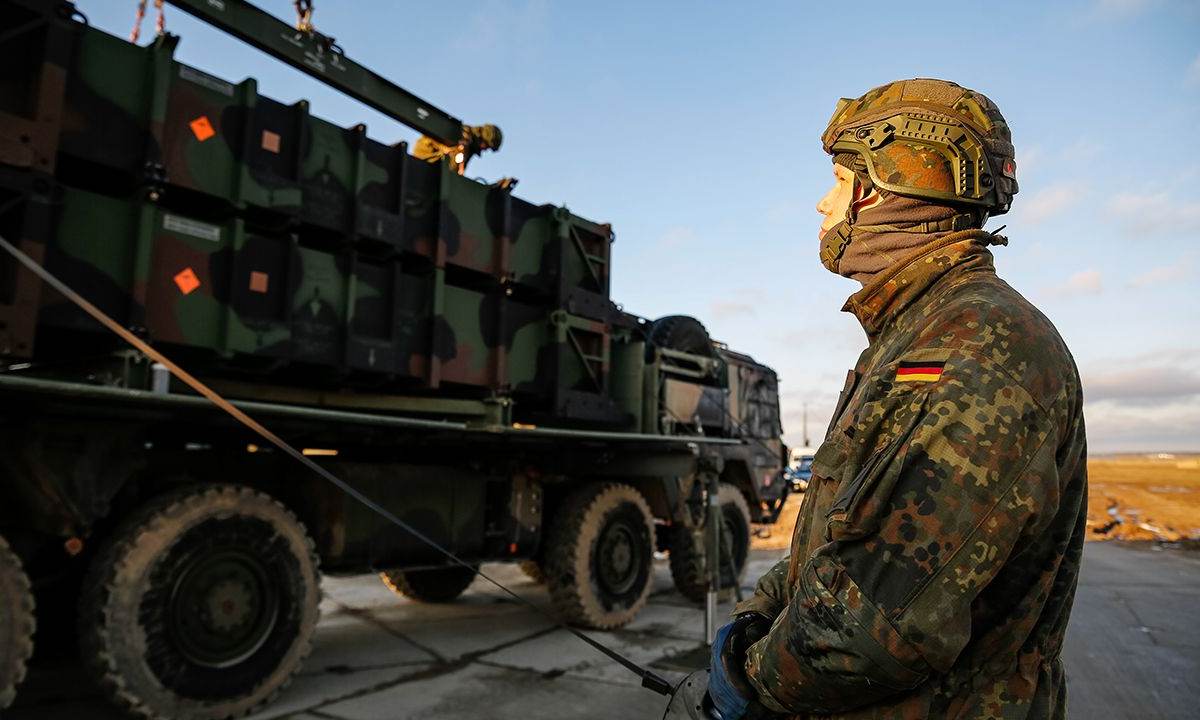
Ohana Magazine – Germany is standing at a pivotal crossroads, where national security concerns meet long-term economic transformation. As lawmakers prepare to approve a massive defense spending package exceeding $60 billion, the decision reflects more than a budget increase it signals a strategic awakening shaped by geopolitical reality. Since the Ukraine war reshaped Europe’s security outlook, Germany has faced mounting pressure to modernize its military capabilities after decades of underinvestment. This moment carries emotional weight for a nation historically cautious about defense expansion. Investors sense this shift, reading it as a durable policy change rather than a temporary response. Markets respond not just to numbers, but to conviction, and Germany’s resolve now feels unmistakable. The anticipation surrounding the parliamentary vote has already begun to ripple through European markets, setting the stage for a broader reassessment of defense as a cornerstone of regional stability and economic momentum.
Markets React Ahead of Parliamentary Approval
Even before lawmakers cast their votes, financial markets have already delivered their verdict. European defense stocks rallied as investors anticipated the Bundestag Budget Committee’s approval, reflecting confidence that the package will pass with little resistance. Trading floors across Europe buzzed with activity as defense-linked shares reversed earlier losses and pushed higher. This reaction underscores how markets often move on expectations rather than outcomes. For investors, the timing matters. Approval converts political intent into real contracts, which translates directly into future revenue. The rally also highlights how defense stocks have evolved from niche holdings into mainstream portfolio components. As uncertainty lingers across global markets, sectors tied to government-backed spending appear increasingly attractive. In this environment, defense equities offer both stability and growth, making Germany’s anticipated decision a powerful catalyst for renewed investor confidence.
“Read More : Bondi Beach Shooting: 11 Killed in Terror Attack Targeting Jewish Community”
Where the Money Will Go and Why It Matters
At the heart of the proposed package lies a detailed plan to rebuild Germany’s military readiness. A significant portion of funds is earmarked for protective equipment and uniforms, addressing basic readiness gaps that accumulated over years. Additional billions will modernize infantry fighting vehicles, strengthen air defense systems, and enhance missile capabilities. These allocations reveal a sober assessment of modern warfare, where logistics, protection, and technological readiness are just as critical as firepower. For defense companies, this clarity is crucial. Clearly defined procurement priorities reduce uncertainty and accelerate contract execution. From an economic standpoint, the spending plan creates a ripple effect across supply chains, from advanced engineering firms to specialized component manufacturers. Each allocation tells a story of preparedness, resilience, and a government willing to invest decisively in long-term security.
Defense Stocks Lead Europe’s Market Momentum
The Stoxx Europe Aerospace and Defense Index has become one of the strongest performers of the year, surging more than 50% since January. German firms have led the charge, reflecting their central role in Europe’s defense ecosystem. Companies like Rheinmetall, Hensoldt, and Renk have seen steady gains as investors price in sustained demand. This momentum did not emerge overnight. It reflects years of changing defense policies across NATO members, now crystallizing into tangible spending. Market participants increasingly view defense stocks as structural growth assets rather than cyclical trades. While short-term volatility remains, the broader trajectory suggests a redefinition of the sector’s role within European markets. The rally also reflects growing recognition that security spending is no longer optional but a permanent feature of Europe’s economic planning.
“Read More : Thailand-Cambodia War Leaves 10 Dead and Forces 140,000 to Flee”
Rheinmetall and Germany’s Defense Champions
Among the biggest beneficiaries stands Rheinmetall, whose stock has surged dramatically as orders pile up. The company’s scale, specialization, and production capacity position it as a cornerstone of Europe’s defense ambitions. Analysts often describe Rheinmetall as “best in class,” not just for its size but for its strategic importance. When governments need advanced armaments quickly, there are few alternatives. This reality gives the company pricing power and long-term visibility rarely seen in industrial sectors. Other German firms, including Hensoldt, benefit from similar dynamics, particularly in surveillance and defense electronics. Together, these companies symbolize Germany’s industrial response to a new era. Their growth tells a broader story of how national policy can reshape corporate fortunes almost overnight.
A Long-Term Shift Investors Can No Longer Ignore
What makes Germany’s defense push especially significant is its permanence. Analysts emphasize that this approval does not increase the overall defense budget but formalizes procurement decisions already planned. That distinction matters to investors, as it transforms allocated funds into binding orders. Revenue visibility improves, backlog certainty strengthens, and risk perception declines. For markets, this marks the difference between promise and execution. Experts argue that much of the sector’s upside may still lie ahead, as Europe continues catching up after decades of underspending. Germany’s move may also encourage other nations to accelerate their own procurement timelines. As defense spending becomes embedded in long-term fiscal planning, investors are adjusting their strategies accordingly, recognizing that this is not a moment but a movement.