Hassett Proposes ‘Trump Cards’ as Banks Battle Over Credit Card Interest Rates
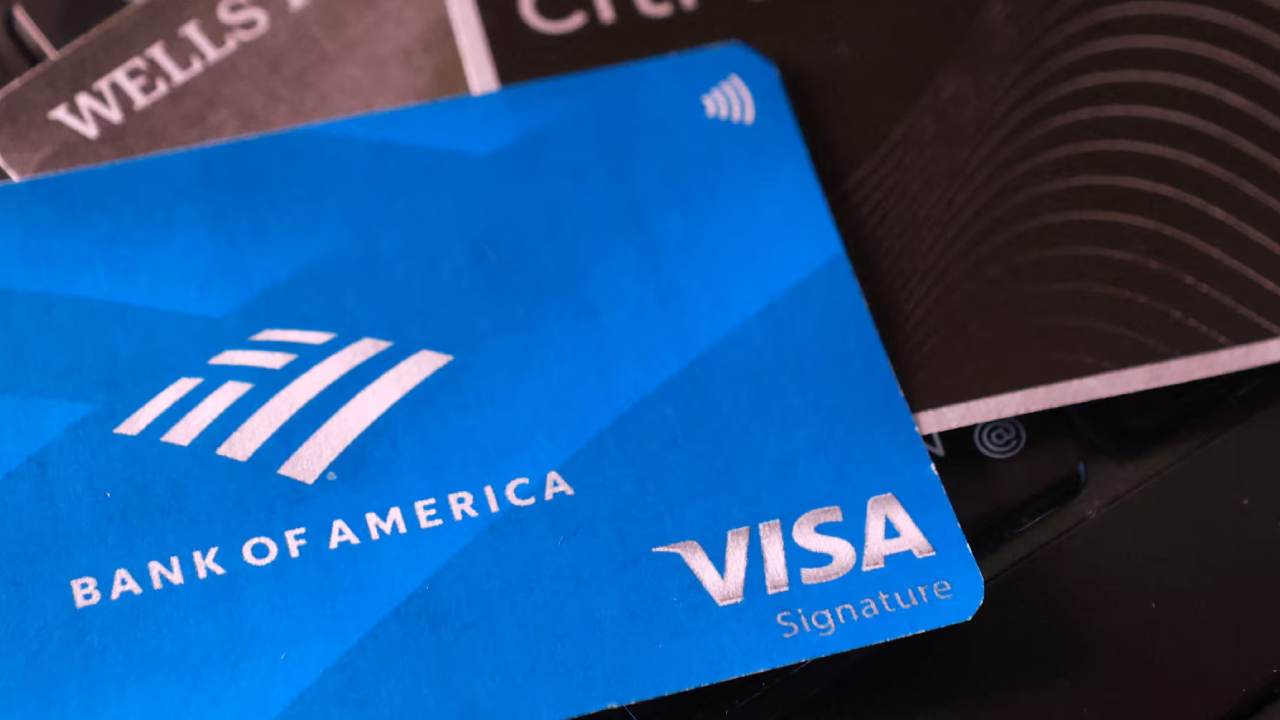
Ohana Magazine – Amid the ongoing battle over credit card interest rates, Kevin Hassett, Director of the National Economic Council, introduced a new idea. Instead of imposing a 10% cap on credit card interest rates, Hassett proposed that banks voluntarily issue credit cards to underserved Americans. This idea, which he calls “Trump cards,” is intended to help people who don’t have credit access but have the financial stability to manage credit. Hassett emphasized that this plan wouldn’t require new legislation, making it a more feasible solution.
Trump’s Interest Rate Proposal Sparks Resistance
President Trump’s proposal to cap credit card interest rates at 10% has faced major opposition from the banking industry. Bank executives and lobbyists argue that such a move could harm the financial system. Instead of lowering rates, they warn that many customers could lose access to credit, as banks may start closing accounts. This pushback has led to the search for alternative solutions, like Hassett’s “Trump cards,” which offer credit access without the need for legislation.
“Read More : Thailand and Cambodia Sign Truce to End Fierce Border Clashes”
The Concept of ‘Trump Cards’
Hassett’s proposal suggests that banks issue “Trump cards” to people who have enough income but no access to credit. These cards would target individuals in the “sweet spot” – people who are financially stable but have been excluded from traditional credit systems. The idea is to provide these individuals with credit options while avoiding the complications of setting interest rate caps. It’s a practical solution that could address affordability issues without disrupting the banking industry.
The Growing Tension Between Regulation and Market Forces
While the idea of limiting credit card interest rates might appeal to consumers, it would require extensive regulation. The banking industry argues that government intervention could hurt the economy by reducing consumer access to credit. Instead of mandating interest rate caps, Hassett’s “Trump cards” proposal represents a compromise. It focuses on providing credit access to underserved individuals while allowing banks to maintain control over their interest rates.
“Read More : Brad Keselowski Faces an Unexpected Setback Off the Track”
Banks’ Potential Response to ‘Trump Cards’
The response from banks to Hassett’s proposal remains unclear. While Hassett has been in talks with banking CEOs, there have been no formal discussions yet. A major credit card issuer and a bank lobbyist stated they haven’t discussed the “Trump card” concept with the administration. This lack of response highlights the uncertainty surrounding the proposal. Banks may be reluctant to embrace a voluntary solution if it requires significant changes to their business practices.
How the ‘Trump Card’ Could Affect the Credit Market
If adopted, the “Trump card” concept could have a significant impact on the credit card market. By providing credit to underserved consumers, banks would be able to tap into a new customer base. However, without the rate cap, banks may continue charging high interest rates, which could still lead to financial instability for some borrowers. The long-term effectiveness of the proposal depends on whether banks are willing to offer credit responsibly and ensure that consumers are protected.
The Future of Credit Card Regulation
As the debate over credit card interest rates continues, Hassett’s proposal offers a potential middle ground between regulation and market freedom. The “Trump cards” concept could provide access to credit for many Americans while avoiding the complexities of widespread rate caps. However, it’s clear that further discussions are needed to determine how best to balance consumer protection and financial industry interests. As this issue develops, it will likely shape the future of credit card regulation in the U.S.