Inflation Remained at 2.7% in December, Leaving Many Americans Struggling with High Prices
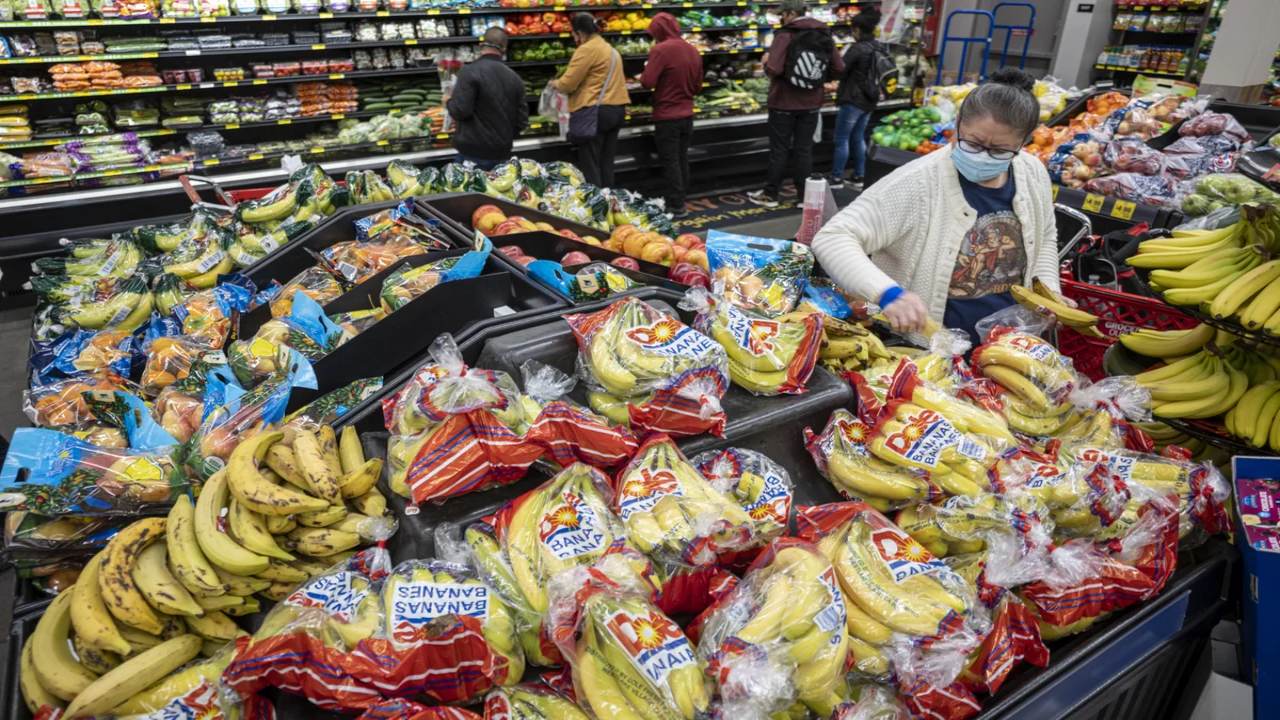
Ohana Magazine – As 2025 closed, inflation remained a concern for many Americans, with consumer prices rising by 2.7% annually in December. This figure reflected only modest progress compared to earlier months, leaving many households struggling with high costs. The latest Consumer Price Index (CPI), which tracks changes in prices for everyday goods and services, showed no change in inflation from November. However, the steady rate masks the ongoing affordability challenges faced by Americans. Despite slight improvements during the year, prices for essential goods like groceries and fuel continued to climb, making life harder for many.
Monthly Inflation Sees a Modest Increase Despite Steady Annual Rate
While the annual inflation rate remained steady at 2.7% in December, monthly inflation increased by 0.3%, up from November’s 0.1%. This small rise indicated a slight acceleration in the cost of living, affecting everything from food to fuel. Economists had expected a 0.3% rise for December, and this prediction was met. Though the year-over-year inflation rate held steady, the monthly increase signals that prices are still trending upward. This upward movement underscores the ongoing financial pressure that many American households continue to face.
“Read More : Thailand and Cambodia Sign Truce to End Fierce Border Clashes”
The Impact of the 2025 Government Shutdown on Inflation Data
The 43-day government shutdown in late 2025 impacted the data collection for October and November, which contributed to some of the anomalies in the earlier inflation reports. In November, inflation seemed to cool significantly, creating confusion among analysts. However, the December report returned to more typical data, showing that inflation had stayed steady. This adjustment highlights the importance of accurate data collection in shaping public understanding of inflation. Without the shutdown’s disruption, the inflation trends for 2025 might have appeared more stable or even improved.
Core Inflation Shows Slight Rise, Still Below January’s Peak
Core inflation, which excludes volatile food and energy prices, is a key indicator of underlying inflation. In December, core CPI rose by 0.2% from November, bringing the annual rate to 2.7%. This was a slight increase from 2.6% in November. Despite this small rise, core inflation remains lower than earlier in the year, when it peaked at 3.3% in January. This slight increase shows that inflation is stabilizing, but the pace remains higher than ideal. As 2025 ended, many hoped that inflation would continue to ease in 2026, providing some relief to consumers.
“Read More : Russian General Killed in Moscow Car Bomb Shocks Security Establishment”
Consumers Still Struggling with High Prices Despite Modest Improvements
Although inflation showed signs of slowing by the end of 2025, many Americans continued to struggle with high prices. Everyday expenses, including food, housing, and transportation, remained expensive. While the 2.7% inflation rate at the end of the year was an improvement compared to earlier months, it still left many families dealing with financial strain. Despite slight reductions in inflation throughout 2025, many consumers were left hoping for more significant price stabilization in 2026. The persistent high costs made it clear that inflation’s impact was far from over.
What’s Next for Inflation in 2026? A Cautious Outlook
Looking into 2026, economists are cautiously optimistic that inflation will continue to stabilize. However, the road ahead remains uncertain. Factors like global supply chain disruptions, energy prices, and geopolitical issues could all affect inflation. Policymakers will need to carefully balance efforts to control inflation without hurting economic growth. While the end of 2025 brought some relief, inflation remains a critical issue. Many hope that 2026 will bring more price stability and provide relief to those who continue to feel the burden of high prices.