Extreme Roller Coaster in the US Raises Concerns After Passengers Suffer Brain Injuries
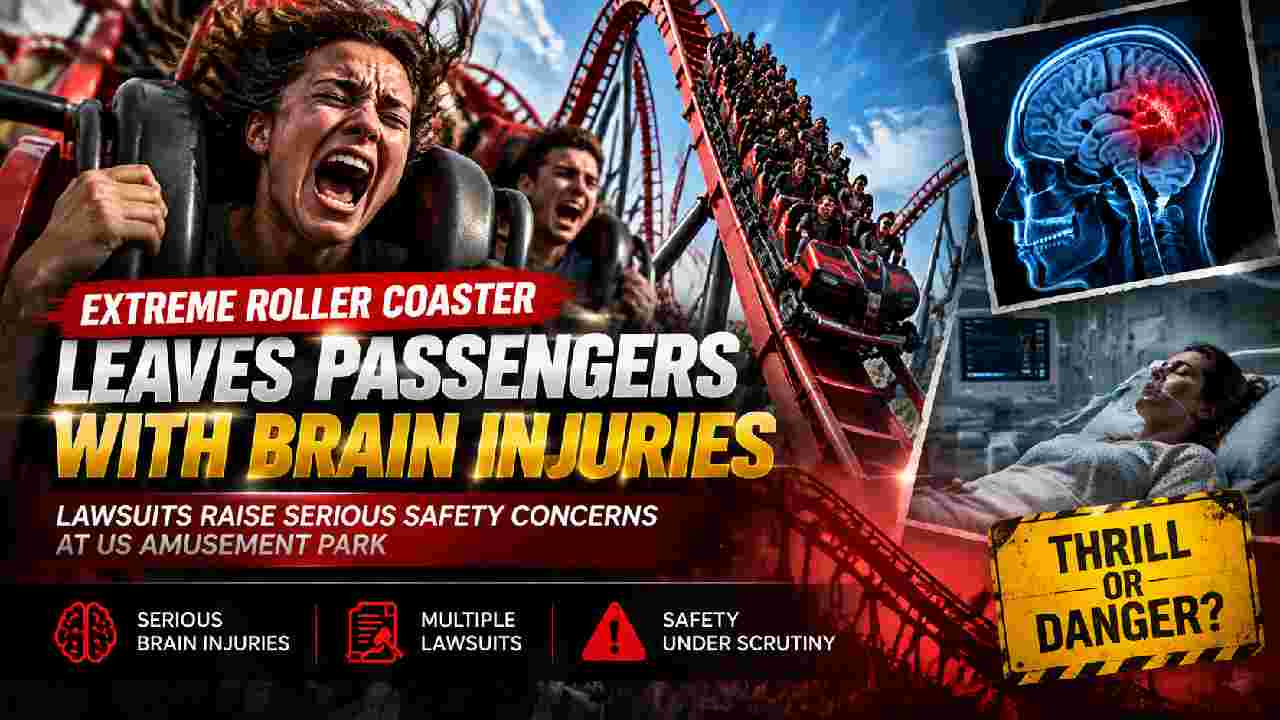
Ohana Magazine – Six Flags Magic Mountain in California, United States, is facing legal action after its X2 roller coaster was linked to serious injuries among several visitors. The attraction, known for its intense movements and unique design, has become the center of attention after three guests officially filed lawsuits. According to reports, more than 100 people have claimed they experienced traumatic brain injuries after riding the extreme attraction. Many visitors originally came to the amusement park to enjoy a fun experience with family and friends. However, some reportedly left with serious health problems instead. The case has raised questions about the balance between thrilling entertainment and passenger safety. Furthermore, it has encouraged discussions about how amusement parks evaluate risks before operating high-intensity rides.
X2 Roller Coaster Becomes Focus of Safety Investigation
The X2 roller coaster at Magic Mountain has attracted global attention because of claims surrounding its intense mechanical movements. The ride is designed with advanced technology that creates dramatic twists, sudden drops, and rapid changes in direction. However, legal representatives for affected visitors argue that the structure may create dangerous forces that passengers cannot anticipate. Attorney Christopher Bulone stated that the design itself could contribute to risks beyond what ordinary visitors expect from an amusement ride. Meanwhile, the legal team representing victims said hundreds of people have contacted them regarding injuries connected to the attraction. As investigations continue, experts are examining how the coaster’s acceleration and movement patterns may affect the human body. The situation has become an important discussion about safety standards in modern amusement parks.
Read More : Lithuania Moves to Lift Nuclear Weapons Ban Amid Russia Tensions
Passengers Report Brain Injuries After Experiencing Extreme Movements
The concerns surrounding X2 increased after several reports described severe medical conditions following rides on the attraction. In July 2026, two women reportedly suffered brain bleeding and required emergency surgery after experiencing the coaster’s intense movements. One of the reported victims, Naomi Greer-Wilkinson, aged 25, continued receiving medical treatment after the incident. Medical teams suggested that the injuries were related to sudden acceleration and deceleration forces during the ride. These movements can place significant stress on the body, especially when experienced repeatedly or at high intensity. The reports created further attention because visitors usually expect amusement parks to provide exciting but controlled entertainment. Therefore, many people are now questioning how extreme attractions should be evaluated before allowing thousands of guests to experience them.
Legal Representatives Highlight Long-Term Impact on Victims
The legal dispute surrounding X2 is not only focused on individual incidents but also on the long-term impact experienced by affected visitors. Attorney Gary Dordick explained that many people arrived at Magic Mountain expecting a memorable day of entertainment. Instead, some reportedly faced medical challenges after riding the attraction. More than 300 individuals have reportedly contacted the law firm handling the case to share their experiences. The claims include various levels of injury, with some cases involving serious consequences. Moreover, the situation highlights how amusement ride accidents can affect people beyond the moment of the incident. Recovery processes may require medical attention, emotional support, and significant lifestyle adjustments. As the legal process develops, victims are seeking answers about whether additional safety measures could have prevented these outcomes.
Read More : US and Denmark Reach Greenland Deal, Reshaping Arctic Security Strategy Today
Reports Show Previous Safety Concerns Linked to X2 Ride
The recent lawsuit has brought renewed attention to previous reports involving the X2 roller coaster. According to investigations, the attraction has been connected to multiple serious injury reports over nearly two decades. Some reports indicated more than 12 serious incidents associated with the ride, including two deaths. These findings have increased public interest in how amusement parks monitor and maintain extreme attractions over time. Although roller coasters are designed with safety systems and strict operating procedures, repeated mechanical stress and passenger conditions remain important factors. Furthermore, experts continue studying how high-speed movements affect the human body. The discussion around X2 shows that safety evaluations must continue even after a ride has operated successfully for many years.
Amusement Parks Face Challenges Between Thrills and Passenger Safety
The case involving X2 reflects a larger challenge faced by amusement parks worldwide. Operators constantly try to create exciting experiences that attract visitors while maintaining strict safety standards. Extreme rides often become popular because they offer unique sensations and unforgettable moments. However, higher intensity also requires careful consideration of engineering, maintenance, and health risks. As technology allows designers to create faster and more complex attractions, safety assessments become increasingly important. The situation at Six Flags Magic Mountain may influence future conversations about how amusement rides are tested and regulated. For visitors, the incident serves as a reminder that entertainment facilities must continue improving safety practices. Meanwhile, amusement park operators must find the right balance between delivering excitement and protecting every guest who steps onto their rides.