Iran’s Supreme Leader Admits Thousands Were Killed in Protests Supported by ‘Criminal’ Trump
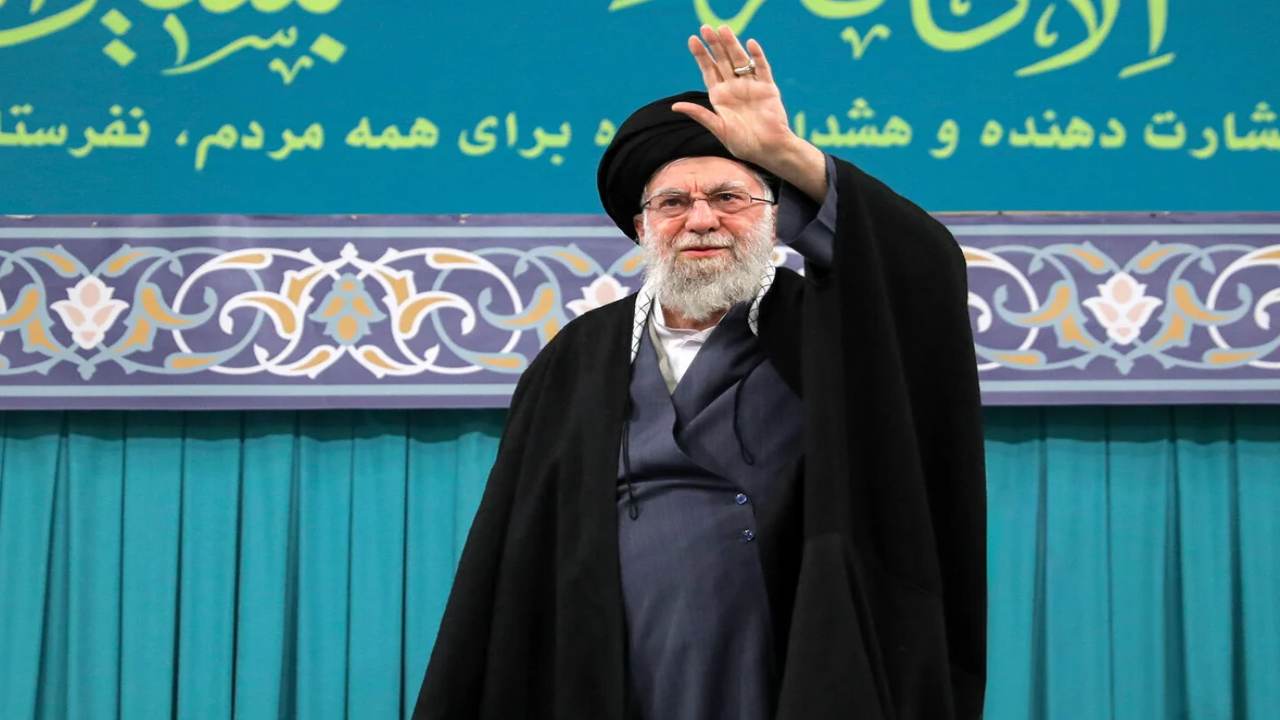
Ohana Magazine – In a rare speech, Iran’s Supreme Leader, Ayatollah Ali Khamenei, admitted that thousands of Iranians died during the violent protests that erupted in December 2025. He blamed former U.S. President Donald Trump for inciting the unrest by offering military support to demonstrators. As the death toll rises, the country faces the devastating aftermath of violent repression and unrest.
Khamenei’s Acknowledgment of Casualties
Khamenei’s speech acknowledged the staggering death toll during the protests, but he avoided discussing the role of the security forces in the crackdown. Protests began due to severe economic conditions, and quickly escalated into violent clashes between civilians and the government’s security forces. Khamenei condemned the protesters as “rioters” but failed to mention the brutality of the response from security forces.
Trump’s Influence on the Uprising
Khamenei accused Trump of encouraging the protests by promising military support to the demonstrators. He called Trump a “criminal,” blaming him for both the casualties and the widespread damage. While Trump’s statements clearly amplified the unrest, Khamenei’s emphasis on external factors overlooked the internal causes of the protests, which stemmed from years of economic mismanagement.
The Brutality of the Crackdown
Reports from witnesses describe how security forces shot from rooftops and used drones to target protesters. Many of the demonstrators, armed only with stones, stood little chance against such overwhelming firepower. Despite Khamenei’s focus on blaming foreign influence, the Iranian government’s violent repression was a central factor in escalating the crisis.
“Read More : Thailand and Cambodia Sign Truce to End Fierce Border Clashes”
Young Protesters and the Fight for Change
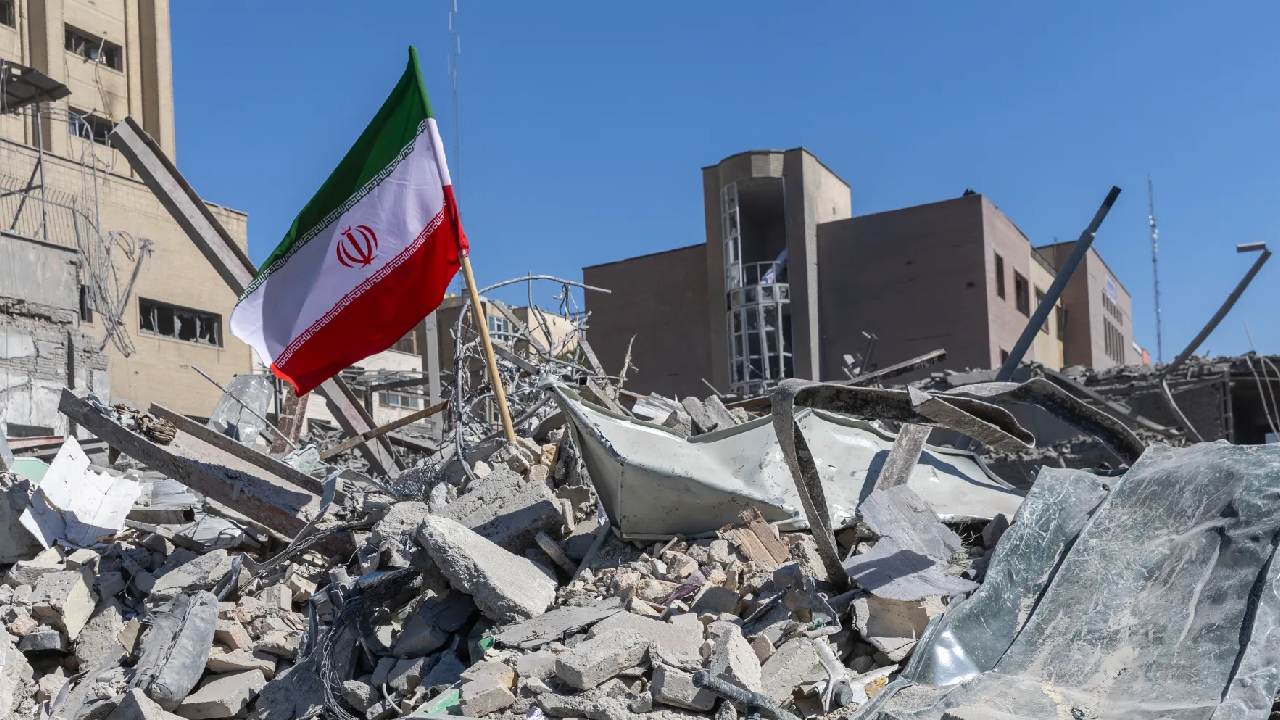
Khamenei categorized the protesters into two groups: those backed by foreign powers and naive young people who were manipulated by them. He suggested that these young Iranians were responsible for damaging key infrastructure. However, many of the young protesters felt they had no choice but to fight for a better future in a country that had failed them economically.
The Human Cost: Eyewitness Accounts of the Violence
The human toll is immense, with over 3,000 deaths reported. Eyewitnesses described scenes of terror as government forces targeted unarmed civilians with drones and sniper fire. The Iranian people, many unarmed, found themselves facing violence on a massive scale as they tried to express their dissatisfaction with the regime.
Global Reactions to Khamenei’s Speech
The international community reacted with strong criticism to Khamenei’s speech. Trump quickly responded, calling for leadership change in Iran and describing Khamenei as a “sick man” who failed to lead his country. The exchange of barbed remarks between the two leaders only added to the rising tension on the global stage.
Internet Shutdown and Control of Information
As the protests grew, the Iranian government implemented a near-total internet blackout to prevent protesters from organizing and sharing information. While Khamenei justified the measure as necessary for restoring order, many saw it as a cover-up for the scale of the violence. Even though some internet access has been restored, it remains limited, leaving many Iranians without the ability to communicate freely.
“Read More : Russian General Killed in Moscow Car Bomb Shocks Security Establishment”
The Fate of Arrested Protesters
Many protesters have been arrested, and there are fears they could face severe punishment, including the death penalty. Khamenei’s speech promised “swift and firm” actions against those involved in the protests but did not offer details on their potential punishments. This uncertainty has left families of the arrested in fear for their loved ones.
Iran’s Economic Crisis and the Spark for Protest
Khamenei briefly mentioned the economic situation, calling it “difficult,” but he did not address the systemic issues causing the unrest. Widespread poverty, unemployment, and food shortages have pushed many Iranians to the brink. The protests were, in part, a response to these dire conditions, and many protesters see them as a call for real change in a government that has ignored their needs.
Trump’s Role in Escalating the Crisis
Khamenei’s claim that Trump played a central role in fueling the protests oversimplifies the situation. While Trump’s rhetoric certainly encouraged the unrest, the roots of the protests are deeper and lie in Iran’s internal political and economic failures. Khamenei’s focus on blaming external actors like Trump detracts from the government’s responsibility for the conditions that led to the protests.
Iran at a Crossroads: What Happens Next?
The future of Iran is uncertain. The country faces a difficult choice: continue the cycle of repression or confront the deep-rooted issues that have fueled discontent. How the government responds to the unrest will determine whether Iran moves toward greater stability or continued turmoil.
Global Powers and Their Influence on Iran’s Future
The role of global powers, particularly the U.S., will play a crucial role in shaping Iran’s future. Khamenei’s blaming of foreign powers highlights the geopolitical complexities surrounding the protests. The actions of global powers in the coming months could either help support the aspirations of the Iranian people or further complicate an already tense situation.