Pakistan’s Military Escalates Tensions After Imran Khan Calls Army Chief ‘Mentally Unstable’
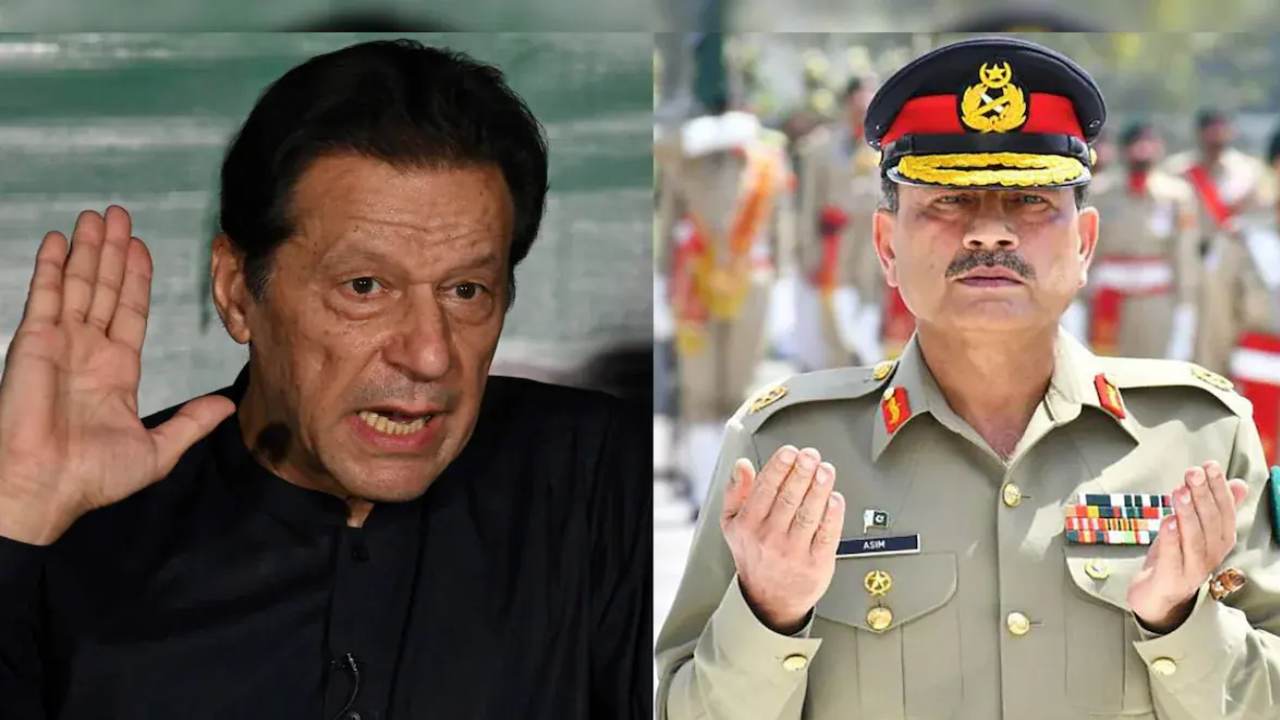
Ohana Magazine – The confrontation between Imran Khan and Pakistan’s military intensified after the imprisoned former prime minister described Army Chief Gen. Asim Munir as “mentally unstable.” His words, delivered through a social media post and echoed by family members visiting him in jail, triggered a swift and emotional response from the military. Lt. Gen. Ahmed Sharif Chaudhry publicly labeled Khan “mentally ill,” accusing him of exploiting visits and communication channels to spread anger against the armed forces. This exchange, unfolding as Khan remains incarcerated on corruption charges, illustrates how personal grievances have evolved into a national spectacle. Many Pakistanis now watch the conflict with growing anxiety, wondering whether the country’s fragile political landscape can withstand another episode of elite confrontation that threatens to pull institutions further apart.
The Army’s Forceful Response to Khan’s Escalating Allegations
During a televised briefing, Lt. Gen. Chaudhry strongly condemned Khan’s remarks, framing them as deliberate attempts to weaken national unity. He displayed screenshots of Khan’s recent statements on X, emphasizing how foreign media amplified the former leader’s claims. Chaudhry said the accusations reflected not political criticism but “poison” aimed at dividing the country during a sensitive period. His tone suggested deep frustration, particularly when describing Khan as a “narcissist” whose ambition had eclipsed his sense of responsibility. According to Chaudhry, Khan’s anger has grown so intense that he now views Pakistan’s institutions as obstacles to his personal power. The press conference revealed how far the relationship between Khan and the military has deteriorated, raising urgent questions about the long-term stability of Pakistan’s civil-military balance.
“Read More : Germany’s Approves New Plan to Attract More Military Recruits as Europe Confronts Rising Tensions with Russia“
Khan’s Prison Conditions and His Claims of Political Persecution
Imran Khan remains behind bars following a 2023 corruption conviction, but he insists the charges were fabricated to silence him. In his latest post, he accused Gen. Munir of ordering his solitary confinement and subjecting him and his wife to psychological pressure. Khan, now 73, argues that his imprisonment reflects a collapse of constitutional protections and rule of law. His sister, who recently visited him, said he appeared angry about the military’s influence over civilian governance. These accounts resonate with Khan’s supporters, who view him as a political victim. Yet critics argue that Khan’s rhetoric often escalates tensions unnecessarily. His statements from prison continue to travel rapidly through digital networks, motivating loyal followers while deepening the fractures between Pakistan’s institutions and the opposition movement he still leads.
Munir’s Rising Influence and the Military’s Shifting Landscape
The timing of this conflict adds weight to the public drama. Just one day before the army’s response, Pakistan’s president and prime minister confirmed Gen. Asim Munir as the country’s first Chief of Defense Forces a newly created role designed to strengthen coordination across military branches. Munir has gained prominence since early 2025, especially after Pakistan claimed victory over India in a brief four-day conflict. His growing authority has made him a central figure in Pakistan’s strategic planning. For Khan, however, Munir’s rise represents the consolidation of power by rivals who forced him from office. Khan’s accusations strike at the heart of this political transformation, revealing a bitter struggle between a former premier seeking relevance and a military leadership determined to shape Pakistan’s future on its own terms.
“Read More : Tracing the Shifting Story Behind the Trump Administration’s “Double-Tap” Strike“
Historical Tensions and the Shadow of the May 2023 Violence
Chaudhry revived memories of the unrest that erupted after Khan’s arrest in May 2023, when thousands of supporters stormed military facilities across Pakistan. He questioned whether Khan had orchestrated the attacks, using the moment to portray him as a persistent threat to national security. These claims continue to divide public opinion. Supporters insist Khan never called for violence, while government officials argue that his rhetoric helped ignite the chaos. The army blames that episode for damaging trust between the military and the public. Today, those tensions resurface as Khan’s words once again provoke fear of renewed instability. This historical context makes the latest exchange more than a personal feud it becomes a reminder of how fragile Pakistan’s internal cohesion remains in moments of political crisis.
A Nation Torn Between Loyalty, Fear, and Deep Distrust
Pakistan is now caught in a cycle of accusation and counteraccusation, as political loyalties collide with fears about national unity. Many citizens worry that the growing rift could weaken the country at a time of economic difficulty and regional tension. The military insists it does not seek confrontation but will not tolerate attacks on its leadership. Meanwhile, Khan’s party remains in opposition and continues to claim that the 2024 parliamentary elections were rigged. These narratives fuel bitterness among his followers, who believe Pakistan’s institutions have shut their voices out. As the conflict deepens, the emotional toll grows heavier families argue, communities divide, and uncertainty shapes everyday conversations. Pakistan stands at a crossroads where trust must be rebuilt, yet both sides appear unwilling to take the first step.
Political Power, Public Perception, and the Road Ahead
Every new statement from Khan or the military shapes Pakistan’s political atmosphere. While Chaudhry says the government must decide whether Khan’s party should be banned, he also alleges that anti-army messaging links back to “external actors.” Such claims add layers of suspicion that cloud public understanding. For now, Pakistan’s leadership tries to project strength as it navigates regional pressures and internal divisions. Khan’s words still carry emotional force among millions who once celebrated him as a reformer. At the same time, institutions fear the lasting damage of unchecked political hostility. The struggle between narrative and authority, identity and power, now defines Pakistan’s present moment. The country moves forward, but with every confrontation, it becomes harder to imagine how reconciliation could truly begin.