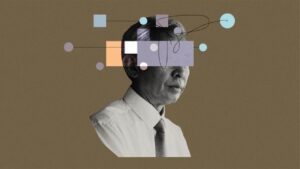
Warren Buffett, the Quiet Zen Master of Modern Capitalism

Ohana Magazine – Warren Buffett has never claimed to be a religious man. In fact, he openly describes himself as an agnostic. Yet, paradoxically, his words and actions often carry the depth of spiritual teaching. When Buffett speaks about life, success, or money, he does so with a calm clarity that resonates far beyond Wall Street. Rather than preaching faith, he emphasizes awareness, humility, and acceptance. These ideas echo Zen Buddhism, Stoicism, and even ancient wisdom traditions. As he prepares to step down from Berkshire Hathaway, people are not only revisiting his financial achievements but also his quiet philosophy. Through decades of market chaos, Buffett has remained grounded. He shows that peace does not require religion. Instead, it grows from self-knowledge, restraint, and perspective. In a noisy world driven by excess, his stillness stands out, offering lessons not just on investing, but on how to live well.
The Oracle of Omaha and Modern Pilgrimage
For years, thousands have traveled to Omaha not merely for financial insight, but for something deeper. Shareholder meetings feel less like corporate gatherings and more like pilgrimages. Buffett’s modest home, simple habits, and approachable demeanor contrast sharply with his immense wealth. This contrast fuels his mythic status as the “Oracle of Omaha.” People listen closely because he lives what he teaches. He does not chase luxury, nor does he flaunt power. Instead, he embodies balance. That consistency creates trust. In many ways, Buffett mirrors a Zen teacher who leads through example rather than doctrine. His presence reassures people during uncertainty. By staying rooted while markets rise and fall, he reminds followers that stability comes from within. Consequently, his influence extends beyond spreadsheets into the realm of personal meaning.
“Read More : Bondi Beach Shooting: 11 Killed in Terror Attack Targeting Jewish Community”
Contentment Over Envy in a Competitive World
One of Buffett’s most enduring lessons revolves around contentment. He openly criticizes envy, calling it pointless and destructive. While capitalism thrives on comparison, Buffett chooses satisfaction. He lives in the same house he bought decades ago and enjoys simple routines. This lifestyle reflects a Zen principle: suffering often arises from desire. By wanting less, Buffett gains more freedom. That mindset also shapes his investing discipline. He avoids trends he does not understand and refuses to chase hype. As a result, he stays focused and patient. Contentment, in his case, is not passive. Instead, it fuels clarity and restraint. By letting go of comparison, he protects both his peace and his judgment. In a culture obsessed with more, his example feels quietly radical.
Wealth as Responsibility, Not Identity
Despite his fortune, Buffett rarely defines himself by money. Instead, he views wealth as a tool, not a measure of worth. This belief drives his extraordinary commitment to philanthropy. By pledging most of his wealth to charitable causes, he reinforces a core ethical idea: abundance carries responsibility. His generosity aligns with Stoic and moral philosophies that value virtue over possession. Buffett often reminds people that money can improve comfort but cannot manufacture love, health, or meaning. By separating identity from wealth, he remains emotionally independent. This detachment allows him to act with moral clarity. Even during market turmoil, he stays calm. He knows his value does not rise or fall with stock prices. That insight reflects deep inner freedom, a hallmark of Zen thinking.
“Read More : Ukraine Expands Its Energy War Strategy as Strikes Push Russia Into Economic Pressure”
Faith Without Religion, Optimism Without Illusion
Although Buffett rejects religious belief, he possesses profound faith faith in progress, resilience, and humanity. He consistently expresses confidence in America’s long-term future, even during economic despair. This optimism is not blind. Instead, it is rooted in history and patience. Buffett understands cycles. He accepts downturns without panic, trusting recovery over time. This outlook mirrors spiritual teachings that emphasize impermanence. By acknowledging uncertainty, he avoids fear. His faith steadies others, especially during crisis. In moments when pessimism dominates public discourse, his voice offers reassurance. He teaches that belief does not require certainty. Sometimes, it only requires perspective. That quiet confidence has become one of his most powerful legacies.
Kindness as a Core Investment Principle
Perhaps Buffett’s most overlooked wisdom lies in his emphasis on character. He believes kindness costs nothing yet delivers priceless returns. In business, he avoids partnerships with people lacking integrity. In life, he treats critics with respect. This approach reflects a deep understanding of human nature. By valuing trust and decency, he reduces conflict and regret. Buffett shows that success without ethics feels hollow. His calm demeanor and gentle humor humanize him, making his lessons accessible. Through kindness, he builds lasting relationships. In doing so, he reminds the world that wealth without compassion is incomplete. His legacy, therefore, extends beyond numbers into the hearts of those he has inspired.