When Fear Was Normalised: Australia and the Road to Bondi
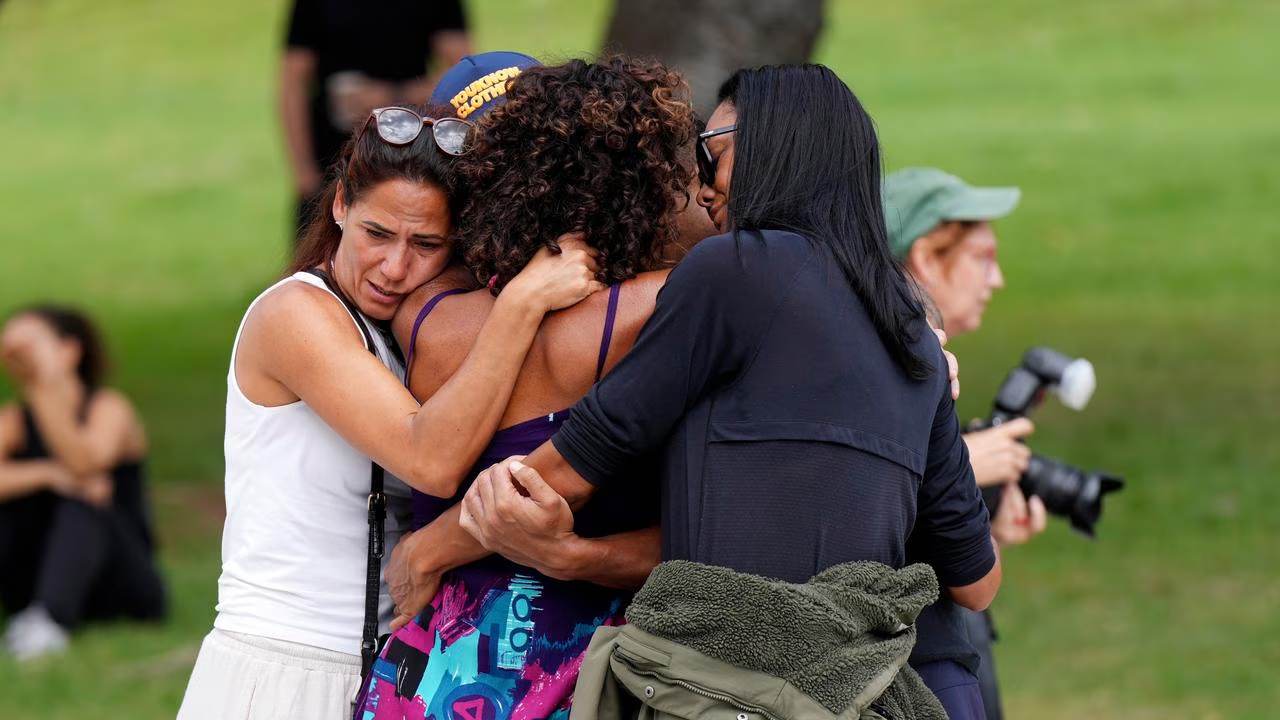
Ohana Magazine -For generations, Bondi Beach has symbolised joy, safety, and everyday freedom. Families gathered there without fear, trusting the sun, the sea, and each other. That sense of safety collapsed in an instant when violence tore through a place meant for laughter and rest. Fifteen innocent lives ended, and a nation watched in disbelief. Australians did not only mourn the victims; they mourned the loss of certainty. Bondi felt personal because it belonged to everyone. Parents suddenly questioned places they once considered harmless. Ordinary routines now carried unease. The tragedy shocked the country not just because of what happened, but because of where it happened. Bondi forced Australians to confront a painful truth: even familiar spaces can turn dangerous when warning signs go ignored.
Violence Rarely Appears Without Warning
Mass violence does not happen by chance. It grows through clear patterns, repeated signals, and moments when people choose not to act. Bondi followed that path. Many signs pointed toward danger long before the attack, yet society looked away. Communities sensed rising tension, but hesitation replaced action. People avoided hard conversations because they feared causing discomfort. When concern feels inconvenient, silence often wins. Over time, fear becomes normal, something people learn to tolerate instead of challenge. Bondi proves that ignoring warning signs does not protect peace. It only delays disaster. Every step toward violence leaves footprints. When people fail to follow them, tragedy finds space to grow. Australia now faces the cost of treating warning signs as background noise instead of urgent signals.
“Read More : Bondi Beach Shooting: 11 Killed in Terror Attack Targeting Jewish Community”
Silence and the Pressure to Stay Calm
Before Bondi, many people learned to suppress concern rather than voice it. Social pressure encouraged calm at all costs, even when unease felt justified. Being told to “stay quiet” or “not overreact” discouraged people from speaking openly. That culture made fear invisible but never removed it. When people silence their instincts, danger gains ground. Reporting concerns began to feel risky, even unwelcome. Bondi exposed the damage caused by that mindset. Silence did not prevent harm. It allowed it to grow unnoticed. Fear should prompt questions, not obedience. When society treats discomfort as a threat instead of a warning, it trades safety for convenience. Bondi stands as a reminder that speaking up early can save lives.
Violence Born Inside the Family
The fact that the attackers were a father and son shook the nation deeply. Families represent care, guidance, and protection. When violence emerges from within that bond, it cuts deeper than any statistic. This detail forced Australians to confront how dangerous beliefs can pass quietly from one generation to another. It challenged the idea that threats always come from outside. Radical ideas do not appear overnight. They grow through influence, repetition, and unchecked thinking. Bondi revealed how easily society overlooks warning signs inside private spaces. When families fail, communities must respond. Ignoring early signs of harm within close relationships allows violence to mature unseen. That reality unsettles, but it demands honest reflection.
“Read More : Ukraine Expands Its Energy War Strategy as Strikes Push Russia Into Economic Pressure”
Grief That Turned Into Anger
After the attack, grief spread quickly across the country. Vigils honoured the dead, but anger soon followed. Many Australians asked the same question: could this have been prevented? The pain felt sharper because the tragedy did not seem unavoidable. People sensed failure at multiple levels social, cultural, and institutional. That anger did not seek revenge; it demanded accountability. Bondi became a moment of national self-examination. Trust felt shaken. Public spaces no longer felt neutral. Australians now carry a shared weight, knowing that comfort replaced caution for too long. Grief alone cannot bring change, but reflection can. Bondi’s legacy depends on what the nation chooses to learn from it.
Choosing Vigilance Over Comfort
Bondi leaves Australia with a clear choice. The country can return to silence, or it can choose vigilance. Vigilance does not mean fear-driven living. It means taking concerns seriously and acting early. It requires leaders who respond before crises explode and communities that support speaking up. Fear should never be swallowed. It should spark dialogue, prevention, and care. Bondi shows what happens when society values comfort over courage. Protecting peace demands action long before headlines appear. If Australia listens now, the tragedy may still shape a safer future. If not, the cost of silence will return louder and more painful than before.