When Christmas traditions Turns Dark: 4 Creepy Holiday Traditions From Around the World
Ohana Magazine – For many people, Christmas means family gatherings, glowing lights, and joyful moments. However, not every culture celebrates the holiday with warmth alone. In several parts of the world, Christmas traditions carry darker stories meant to warn and educate, especially children. Long ago, communities used fear to teach discipline and moral values. These stories did not hide in books; people acted them out in public spaces. Even today, some towns still hold parades and rituals based on these old beliefs. Instead of cheerful figures, frightening characters walk the streets each December. They remind people that Christmas once balanced joy with caution. While modern celebrations focus on kindness, these traditions show how past societies used storytelling to guide behavior during the cold and difficult winter season.
Krampus, the Demon of the Alps
In Austria and nearby regions, Christmas season brings the terrifying figure of Krampus. This horned creature looks half-goat and half-demon. According to folklore, Krampus punishes children who misbehave. While Saint Nicholas rewards good behavior, Krampus delivers fear. During Krampusnacht, people wear detailed monster masks and march through towns at night. They shake chains, shout loudly, and frighten crowds on purpose. Locals view the parade as tradition, but visitors often feel shocked by its intensity. The costumes aim to scare, not entertain. Despite its dark nature, the tradition sends a clear message: actions matter. Krampus represents discipline in a time when communities relied on strong warnings to guide children through winter hardships.
“Read More : Russian General Killed in Moscow Car Bomb Shocks Security Establishment”
Frau Perchta and Her Harsh Judgment
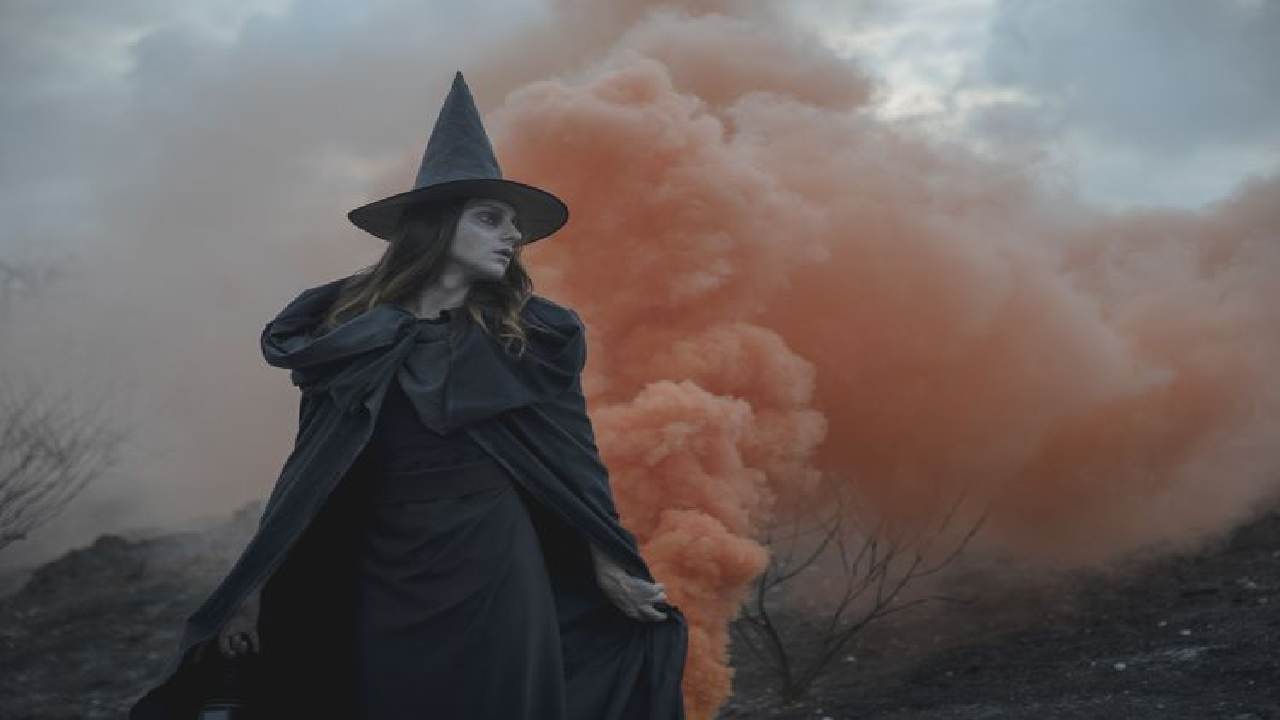
Frau Perchta appears in Alpine folklore as a winter spirit who watches children closely. Her story ranks among the most disturbing Christmas legends. The tale says she punishes lazy or disobedient children by cutting open their stomachs and filling them with straw. In parts of Austria and Germany, people dress as Frau Perchta and walk through villages during winter festivals. The goal is simple: scare children into good behavior. Unlike modern fairy tales, this story offers no comfort or happy ending. It reflects a time when fear played a strong role in teaching social rules. Today, people treat the tradition as folklore, but its message still feels unsettling and powerful.
Gryla and the Christmas Cat of Iceland
Icelandic Christmas folklore tells the story of Gryla, a giant ogress who hunts naughty children. Each winter, she leaves her mountain cave and searches villages for victims. She brings captured children home and cooks them. Gryla also commands the Yule Cat, a massive creature that eats people who do not receive new clothes for Christmas. The story pushed children to work hard throughout the year. Families used the legend to encourage responsibility and effort. Although modern Icelanders share the story with humor, its origin remains dark. The message once felt serious: laziness had consequences, even during the holiday season.
“Read More : Brad Keselowski Faces an Unexpected Setback Off the Track”
Père Fouettard, the Shadow of Saint Nicholas
In France, Belgium, and Switzerland, Père Fouettard stands beside Saint Nicholas as his dark companion. Folklore describes him as a former criminal forced to serve Saint Nicholas forever. Instead of gifts, he carries a whip to punish bad children. During Christmas events, some people still dress as Père Fouettard. His presence reminds children that rewards come with responsibility. While Saint Nicholas represents kindness, Père Fouettard symbolizes discipline. Together, they reflect a balance between reward and punishment. This tradition shows how European societies once used fear to reinforce moral behavior during important religious celebrations.
Why Fear Once Had a Place in Christmas
These traditions may shock modern audiences, but they reveal how societies once survived harsh winters. Long ago, fear worked as a teaching tool when education systems did not exist. Christmas became a time to reflect on behavior, not only to celebrate joy. The frightening characters reminded children and adults alike that actions carried consequences. Over time, cultures softened these stories, replacing fear with warmth. Still, the old legends remain alive through festivals and storytelling. They show how Christmas evolved across centuries, shaped by social needs, faith, and survival.
When Old Traditions Meet Modern Curiosity
Today, these creepy Christmas traditions attract tourists and curious readers. What once frightened children now fascinates adults. The rituals no longer aim to punish, but they still offer cultural insight. In a season filled with comfort and celebration, these stories stand apart. They remind us that Christmas has many faces. Behind the lights and laughter, history tells a darker story one shaped by fear, discipline, and human survival.