London Fashion Week 2026: When Brands Celebrate Their Inner Freak and Geek
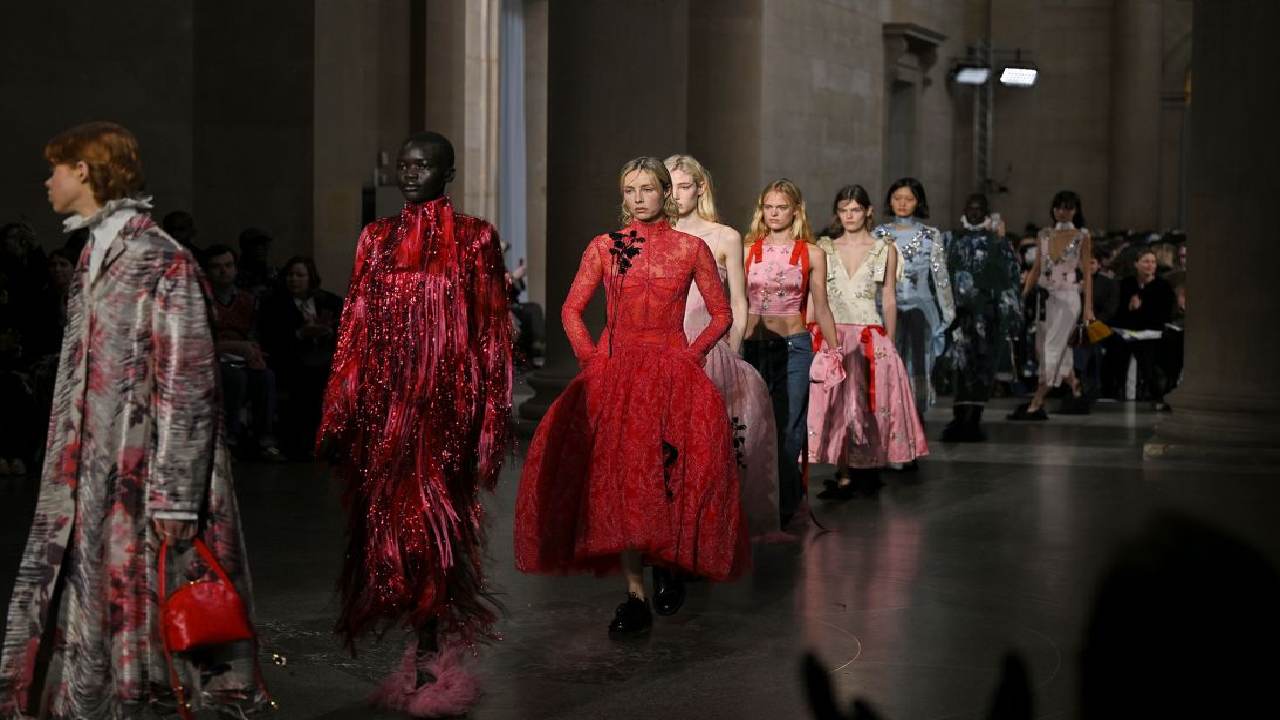
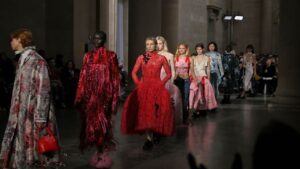
Ohana Magazine – London Fashion Week this season proved that fashion no longer belongs solely to the runway. Instead of relying only on high-energy catwalk spectacles, many designers embraced intimate presentations, community dinners, and immersive gatherings. This shift felt deliberate and refreshing. Under the leadership of British Fashion Council CEO Laura Weir, the week positioned itself not merely as a schedule of shows but as a cultural pulse check. London has long thrived on experimentation, and this year, it leaned fully into that identity. While other fashion capitals often prioritize commercial polish, London’s designers focused on authenticity and connection. As a result, the city once again demonstrated that it does not follow a rigid formula it sets the cultural temperature.
Designing for the Underserved and Unapologetic
At the heart of London Fashion Week lies a commitment to communities often overlooked by mainstream fashion. Designers such as Chet Lo, Chopova Lowena, and Tolu Coker crafted experiences that celebrated LGBTQ+ audiences, diasporic identities, and niche subcultures. Chet Lo transformed a luxury hotel ballroom into a vibrant Hong Kong night market, honoring his heritage while inviting guests into a deeply personal narrative. Meanwhile, Chopova Lowena continued to champion quirky, folklore-infused aesthetics for unconventional girls who proudly embrace their individuality. Rather than chasing universal appeal, these brands catered to their “freaks and geeks” with intention. Consequently, they built fiercely loyal followings that value representation, storytelling, and bold creative risk.
“Read More : Jimin and Jungkook Dominate Global Brand Reputation“
Community as the New Front Row
This season, designers treated community not as a buzzword but as a foundation. Chopova Lowena replaced its typical runway with a playful presentation featuring mini-golf turf and garden-themed treats, encouraging guests to mingle freely. Similarly, Talia Byre hosted an intimate gathering centered around a limited-edition zine documenting her creative process. These moments allowed attendees to connect directly with designers, dissolving the barriers of assigned seating. Fashion, in this context, became relational rather than hierarchical. By fostering genuine interaction, London brands reinforced the idea that loyalty stems from shared experience. Therefore, the front row expanded beyond celebrities and editors to include the very communities that sustain these labels.
Culture, Identity, and Physical Experience
Beyond aesthetics, London Fashion Week highlighted fashion’s power to tell culturally specific stories. Kazna Asker offered an iftar meal during her presentation, honoring Ramadan while showcasing textiles sourced from the Middle East. Knwls opened a pop-up space filled with art from longtime friends and even hosted Pilates sessions, acknowledging the growing desire for tangible, physical experiences. In an era shaped by digital overload, these gestures felt meaningful. As Laura Ingham of Vogue noted, fashion can unify communities while spotlighting diverse perspectives. By doubling down on identity and lived experience, London designers positioned themselves not just as creators of clothing, but as curators of cultural dialogue.
“Read More : Grammy Awards 2026: Artists Protest ICE’s Repressive Actions“
Commercial Vision with Personal Integrity
While London often carries a reputation for avant-garde experimentation, some designers demonstrated that commercial appeal and authenticity can coexist. Talia Loubaton of Liberowe, for instance, presented wearable yet refined jackets tailored for working women. Drawing from early fittings in her own home, she refined her understanding of her audience. Her approach underscored a quiet confidence: she did not need to chase extremes to make an impact. Instead, she celebrated practicality with personality. This balance between accessibility and individuality reflects a broader truth about London Fashion Week it supports designers who stay true to their perspective, even when commercial pressures loom large.
Established Names Seek Deeper Connection
Even established figures embraced intimacy over spectacle. Jonathan Anderson returned to London to celebrate a new store opening, hosting gatherings that felt personal rather than performative. Roksanda Illincic organized a dinner for friends of the brand, while Erdem Moralioglu marked his label’s 20th anniversary with both a runway and private celebrations. Meanwhile, Simone Rocha maintained her signature theatricality but infused it with familial warmth, as her mother personally greeted guests. These gestures revealed a shared sentiment: connection matters more than grandeur. After years shaped by social media homogeneity and corporate consolidation, London Fashion Week offered a compelling alternative fashion that feels personal, communal, and proudly unconventional.