In Rama Duwaji’s New York, Glamour Becomes a Quiet Political Statement
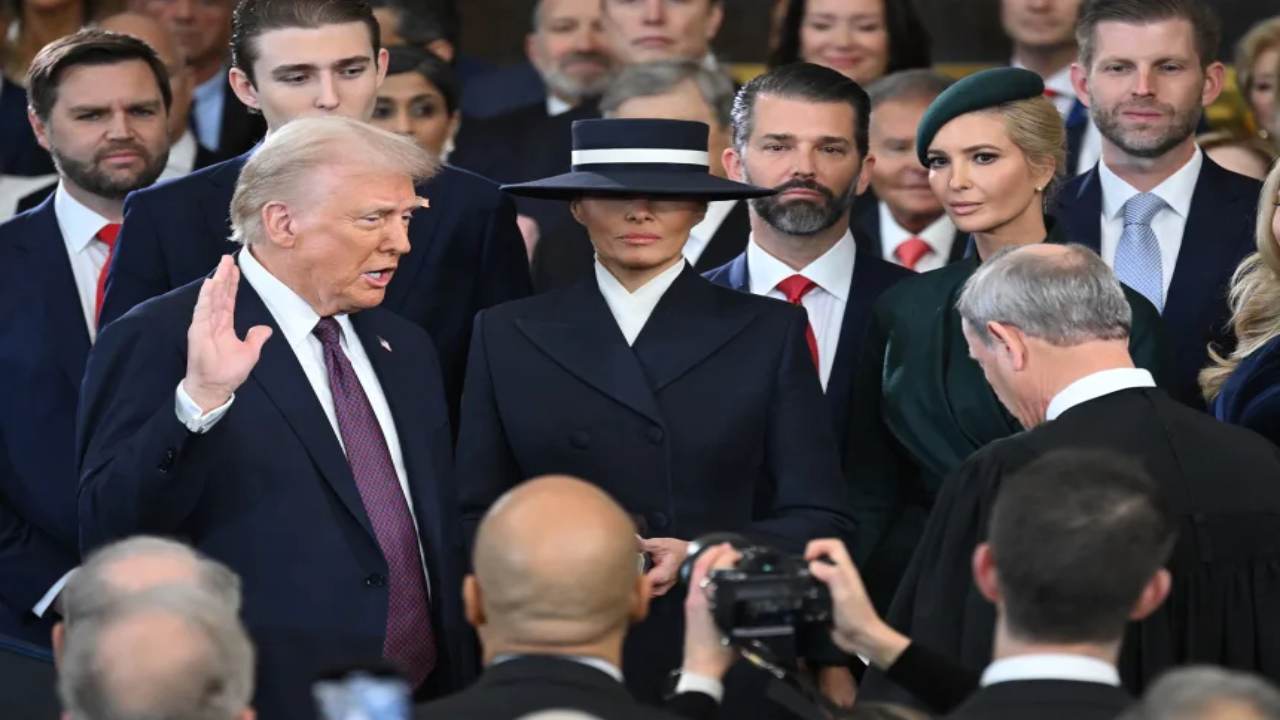
Ohana Magazine – On a freezing New Year’s Day in New York, the city witnessed more than a mayoral inauguration. As Zohran Mamdani took the oath of office, standing beside him was his wife, Rama Duwaji, whose presence quietly shifted the tone of the moment. Her brown frock coat, trimmed with rich faux fur, drew international attention not because it was extravagant, but because it felt intentional. In political life, clothing often becomes a language of its own. From the very first glance, Duwaji’s look communicated warmth, softness, and confidence. At the same time, it resisted the sterile minimalism often expected of political spouses. In that moment, fashion became narrative. It told a story about accessibility, self-expression, and dignity. For many New Yorkers watching, the coat felt less like a fashion headline and more like an invitation to imagine leadership that allows room for beauty and humanity.
Fashion as an Unspoken Political Agenda
For women adjacent to power, especially in democratic societies, clothing is rarely neutral. In fact, an inauguration outfit often sets expectations long before a policy speech does. Duwaji’s choice followed this tradition while subtly redefining it. Historically, figures like Michelle Obama and Melania Trump used fashion to signal ideological direction, unity, or distance. Similarly, Duwaji’s look carried meaning without slogans. By choosing a design rooted in romance rather than authority, she avoided visual dominance. Instead, she embraced approachability. Moreover, her outfit suggested that public service does not require personal erasure. In this way, fashion functioned as soft power. It complemented Mamdani’s political identity without overshadowing it. As a result, Duwaji entered the public eye not as a silent figure, but as someone shaping the cultural mood around leadership in her own right.
“Read More : Russian General Killed in Moscow Car Bomb Shocks Security Establishment”
Representation Through Independent Designers
Beyond aesthetics, Duwaji’s fashion choices carried cultural weight. Her inauguration coat was designed by Cynthia Merhej of Renaissance Renaissance, a Palestinian-Lebanese designer. This decision mattered. Rather than defaulting to a luxury fashion house, Duwaji amplified a smaller, independent voice from the Middle East. According to her stylist, Gabriella Karefa-Johnson, this was not symbolic dressing for show, but a genuine reflection of values. In modern politics, representation often stops at rhetoric. Here, it extended into material choices. By paying for the garment herself and selecting a designer outside the traditional Western canon, Duwaji made representation tangible. Consequently, the coat became a bridge between personal identity and public visibility. It demonstrated how clothing can honor heritage while still resonating with a global city like New York.
The Vintage Coat and the Meaning of Normalcy
Earlier, at a midnight swearing-in ceremony, Duwaji appeared in a rented vintage Balenciaga coat paired with borrowed boots. The look sparked debate, particularly after critics fixated on the retail price of the footwear. However, the deeper message was easy to miss. By renting and borrowing, Duwaji aligned herself with everyday New Yorkers who value sustainability, thrift, and creativity. She did not dress to appear untouchable. Instead, she dressed like someone who rides the subway, shops secondhand, and mixes high and low fashion. That relatability mattered. Although tabloids framed the moment as hypocrisy, the reality felt more nuanced. Duwaji appeared to be saying that style and ethics can coexist. In a city defined by contrasts, her choices reflected the lived experience of a generation balancing aspiration with responsibility.
“Read More : Thailand and Cambodia Sign Truce to End Fierce Border Clashes”
Critics, Controversy, and Strategic Awareness
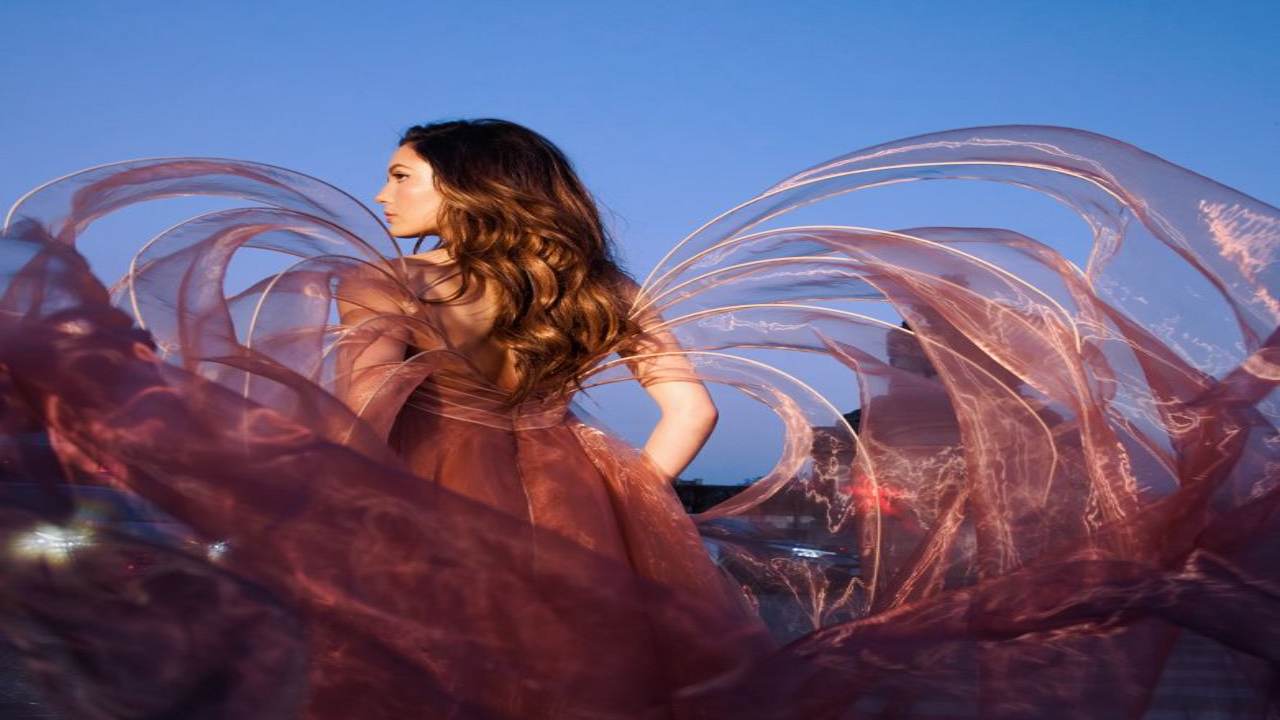
Public scrutiny was inevitable. When critics questioned how affordability politics align with stylish appearances, the response felt measured rather than defensive. Notably, the controversy around the boots appeared less like a mistake and more like a stress test. Duwaji and Mamdani seemed aware that fashion would become a battleground. Instead of retreating, they leaned in. Duwaji’s appearance on the digital cover of New York Magazine reinforced this confidence. The images were bold, artistic, and unapologetic. They rejected the expectation that political spouses must fade into the background. In doing so, Duwaji reframed criticism as conversation. Rather than denying her love for fashion, she acknowledged it openly. This transparency disarmed some critics while energizing supporters who saw authenticity rather than contradiction.
A New Generation’s View of Value and Luxury
Duwaji’s approach reflects a generational shift in how value is defined. For many younger people, price alone does not determine worth. Instead, ethics, labor practices, and sustainability matter. A $630 pair of boots becomes understandable when fair wages and responsible production enter the equation. This perspective challenges older assumptions that visible luxury equals moral failure in public life. Duwaji represents a cohort that believes responsible indulgence is not hypocrisy. Moreover, her life before Gracie Mansion marked by rent-stabilized living adds context. She embodies the idea that caring about affordability does not require rejecting beauty. In this vision of New York, people deserve dignity, fairness, and yes, a little glamour.