Landslides Strike Sukabumi as Tropical Cyclone 93S Triggers Extreme Weather in West Java
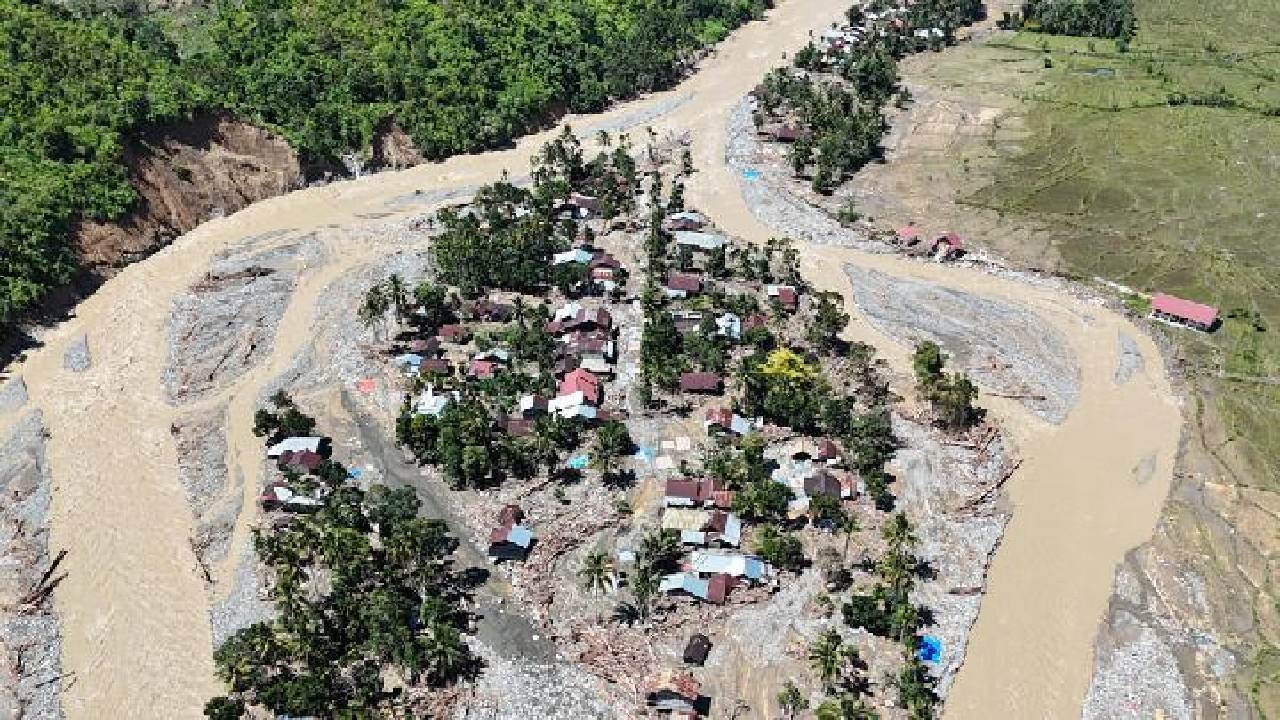
Ohana Magazine – Hours of relentless, high-intensity rain transformed the calm hills of Sukabumi Regency into zones of sudden danger. What began as steady rainfall escalated into a deluge that saturated the soil beyond its capacity. As the ground weakened, slopes gave way, sending earth and debris crashing down into nearby areas. Residents described the rain as unusually heavy and unyielding, creating fear long before the landslides occurred. This extreme weather pattern did not arrive by chance. Meteorologists traced it to the growing influence of Tropical Cyclone 93S, a weather system whose impact has begun to ripple across Java. In Sukabumi, the combination of steep terrain and prolonged rain proved devastating, reminding communities how quickly nature can shift from calm to crisis.
Seven Villages Caught in the Path of Disaster
According to data from the West Java Regional Disaster Management Agency, landslides struck seven villages across Sukabumi Regency. Gunungtanjung, Loji, Sangrawayang, Ciemas, Mekarsakti, Mekarnangka, and Sukajaya were among the areas affected. Each village faced its own challenges, yet all shared the same sense of shock as earth moved without warning. For residents, the landslides disrupted daily life in an instant, forcing families to confront damaged homes and blocked access routes. Community leaders worked alongside emergency teams to assess the damage while ensuring residents stayed away from unstable slopes. The spread of affected villages highlighted how widespread the impact of the weather system had become, stretching local resources and testing community resilience.
“Read More : Bernie Collins Warns Cadillac’s Biggest F1 Win in 2026”
Homes, Roads, and Public Facilities Damaged
The physical damage left behind by the landslides painted a stark picture of the storm’s power. At least four residential houses suffered significant damage, leaving families anxious about safety and shelter. Two public facilities were also affected, disrupting essential services relied upon by local residents. Even more concerning, landslide material blocked sections of public roads, cutting off mobility and complicating emergency response efforts. A section of a national road collapsed, underscoring the broader infrastructure risks posed by extreme weather. These damaged routes slowed aid delivery and isolated some areas temporarily. Each blocked road and damaged building served as a reminder that landslides do not only affect nature but also strike at the heart of community connectivity.
Tropical Cyclone 93S Begins to Show Its Reach
Weather experts noted that the extreme conditions in Sukabumi were closely linked to Tropical Cyclone seed 93S. Although the system had not fully developed into a named cyclone, its influence was already evident. The cyclone intensified moisture levels in the atmosphere, fueling prolonged rainfall across several provinces on Java. West Java, with its mountainous landscapes, proved especially vulnerable. As the cyclone’s effects expanded, authorities warned other regions to remain alert. The situation illustrated how even a developing weather system can produce severe consequences far from its center. For communities like Sukabumi, Cyclone 93S became more than a meteorological term; it became a lived experience marked by loss and uncertainty.
“Read More : Bondi Beach Shooting: 11 Killed in Terror Attack Targeting Jewish Community”
Emergency Response and Community Vigilance
In the aftermath of the landslides, local authorities and emergency teams moved quickly to respond. Disaster management officials focused on clearing debris, securing unstable areas, and monitoring further rainfall. Community members played a crucial role, sharing information and helping neighbors evacuate when necessary. Public warnings urged residents living near slopes to remain vigilant, especially as rain continued to fall. Temporary road closures aimed to prevent further accidents, while assessments determined which areas required immediate reinforcement. Although the response reduced the risk of additional casualties, officials emphasized that caution must remain high. Landslides often occur in clusters, and weakened soil can give way again without warning.
A Stark Reminder of Climate-Driven Risks
The Sukabumi landslides offer a sobering reminder of how climate-related extremes are becoming part of daily reality. Changing weather patterns have increased the frequency of intense rainfall, placing vulnerable regions under constant threat. For residents, this disaster highlighted the importance of preparedness, early warning systems, and environmental management. Authorities continue to stress the need for long-term mitigation, including better land use planning and slope stabilization. As Tropical Cyclone 93S continues to influence weather across Java, the events in Sukabumi stand as a warning. Extreme weather is no longer a distant possibility; it is a present challenge demanding collective awareness and action.