Italy’s Culinary Soul: UNESCO Honor Brings Pride and Fresh Concerns
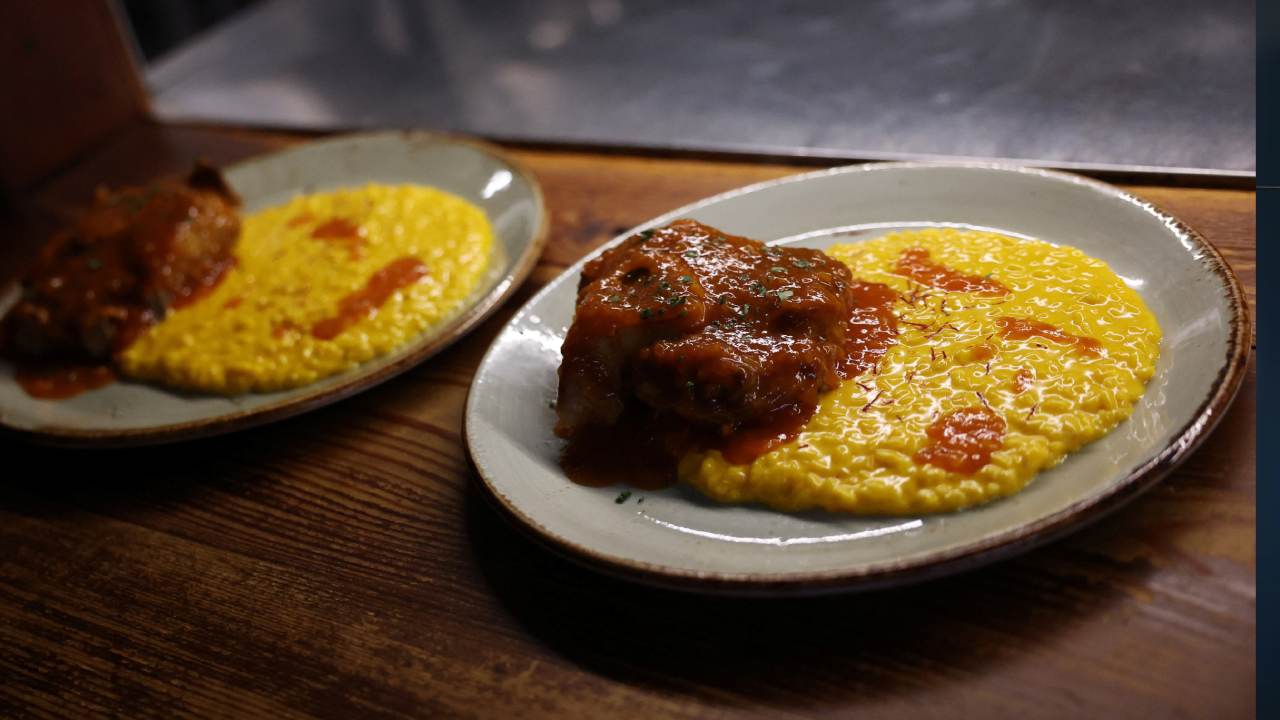
Ohana Magazine –Italy’s celebrated with joy after UNESCO added Italian cuisine to the Intangible Cultural Heritage list. For many citizens, the news felt personal because food is tied to family life and old traditions. A light show at the Colosseum marked the moment and reminded people how deeply cooking shapes Italy’s identity. Prime Minister Giorgia Meloni praised the decision and called Italian cuisine the country’s “strongest ambassador.” The recognition also carries economic promise since food production makes up nearly 15% of Italy’s GDP. Italians see the honor as a chance to protect their culinary roots. Still, the celebration comes with concerns about how global attention might reshape daily life and dining culture across the country.
Economic Hopes for Restaurants and Local Producers
Supporters expect the UNESCO title to boost tourism by as much as 8% in two years. That could bring an extra 18 million overnight stays. Past examples feed this optimism. After UNESCO recognized Neapolitan pizza-making in 2017, interest in pizza training rose by 284%. On the island of Pantelleria, agritourism grew nearly 500% after its vine cultivation joined the list. Many small restaurants hope for similar gains. In Rome, Manuela Menegoni, who runs two trattorias with her husband, believes the listing may attract investment and create new jobs. She also hopes leaders pay more attention to the food supply chain, which often struggles for support. To her, the recognition creates a rare chance to restore pride in local cooking.
“Read More : Germany’s Approves New Plan to Attract More Military Recruits as Europe Confronts Rising Tensions with Russia“
Warnings About Overtourism and Crowded Cities
Scholars and activists worry that the UNESCO title may draw too many visitors to fragile city centers. Venice already struggles with crowds, as do the Prosecco hills, where tourism often exceeds local capacity. Critics fear that Italian cuisine could become more commercial as demand rises. Food historian Alberto Grandi warns that many historic districts risk turning into “food theme parks.” He points to Bologna, where checkered tablecloths and staged décor now fill entire streets. These places often serve simplified menus that match tourist expectations. Grandi argues that such changes weaken local culture and erase lesser-known regional dishes. For him, the UNESCO win brings pride but also serious responsibility.
The Rising Risk of Food Gentrification
Grandi and other researchers say that global interest may drive food gentrification. This happens when traditional and affordable meals turn into trendy, expensive dishes for tourists. They fear Italy may lose everyday recipes that once told stories of hardship, migration, and community. As restaurants chase higher profits, they might offer the same familiar dishes everywhere. This could overshadow the depth of Italian cooking, which thrives on local variations. Tourism often values predictable choices, and that pressure could reshape how chefs design menus. If this shift grows, Italy may keep the image of its cuisine but lose the heart of its food traditions.
“Read More : Why Greece Is Now the World’s Best Place to Retire in 2026“
Restaurant Owners Face a Changing Food Scene
Many restaurant owners feel both hope and caution. Menegoni says the real challenge is protecting quality while welcoming new visitors. During the 2025 Jubilee, she saw a wave of low-cost tourism centered around quick snacks. Those trends clashed with Italy’s heritage of slow, shared meals. Some of her loyal foreign guests even skipped their trips because they wanted quieter experiences. She believes the UNESCO honor should help restaurants that focus on skill and authenticity, not mass tourism. Menegoni hopes visitors will look beyond the usual pasta and pizza and explore regional specialties instead. For her, the recognition should strengthen craft, not crowd it out.
A New Chapter for Italy’s Culinary Identity
Italy now enters a period of reflection. The UNESCO honor brings pride and a chance to protect culinary traditions. Yet it also demands careful choices. Policymakers, chefs, and community leaders must work together to preserve the rituals and regional flavors that define Italian food. They also need to manage the pressures that come with increased tourism. The goal is clear: celebrate Italian cuisine without reducing it to a checklist of familiar dishes. Italy must balance economic opportunity with cultural integrity. The world is eager to taste its food, but Italians want to ensure the stories behind those dishes remain alive.