Basketball Has a Tanking Crisis and the NBA Is Finally Drawing a Line
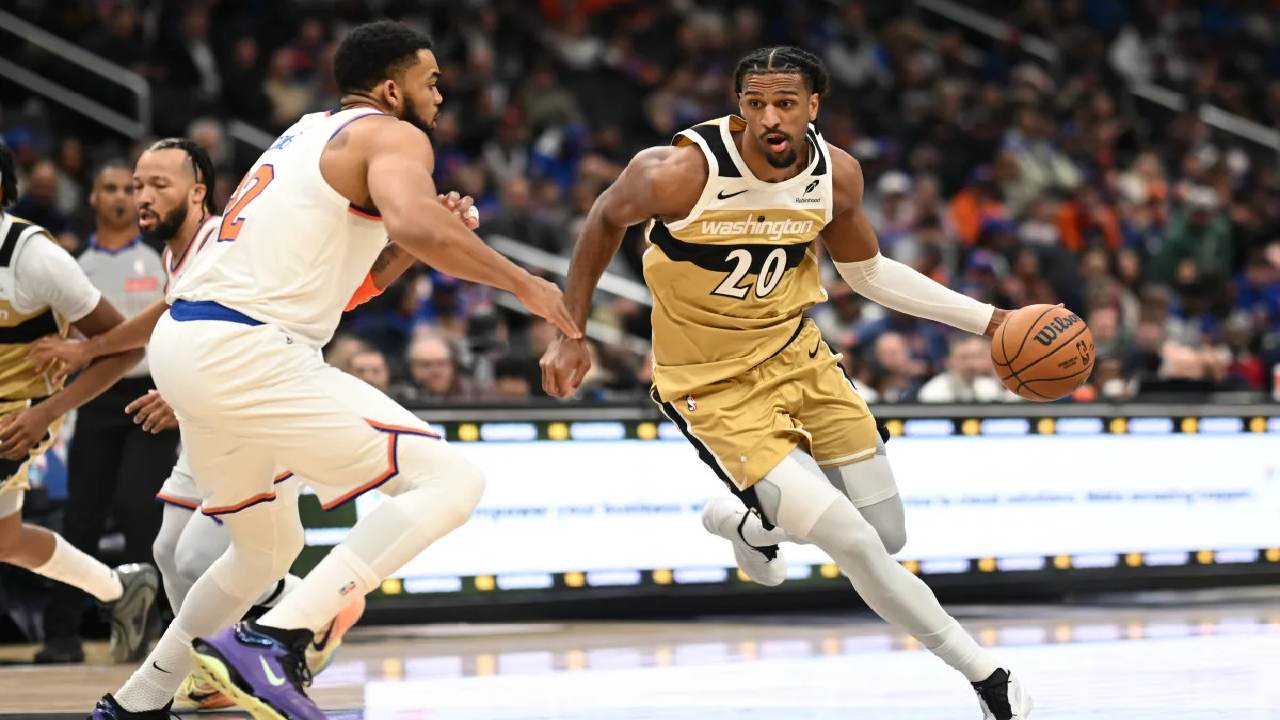
Ohana Magazine – Basketball has a tanking crisis, and it has moved from whispered strategy to headline controversy. For decades, tanking intentionally losing games to improve draft lottery odds has lingered in the background of NBA culture. However, this season the issue has erupted into a defining debate about competitive integrity. During All-Star Weekend in Los Angeles, conversations drifted away from playoff races and blockbuster trades toward a deeper concern: teams appearing to prioritize losses over victories. For fans who invest emotionally and financially in the league, the optics feel troubling. The NBA thrives on drama and ambition, yet tanking creates a paradox where losing becomes strategic currency. As scrutiny intensifies, the league faces mounting pressure to protect the credibility of the game.
Why Teams Embrace the Race to the Bottom
Basketball has a tanking crisis because the system quietly rewards struggling teams with better draft lottery odds. In theory, this structure promotes parity by helping weaker franchises secure elite young talent. In practice, however, it sometimes incentivizes calculated underperformance. When a generational prospect looms in the draft class, front offices may see short-term losses as a rational long-term investment. Coaches rotate lineups conservatively, star players sit with minor injuries, and rebuilding narratives dominate press conferences. While executives frame these decisions as development-focused, fans often sense a deliberate shift in priorities. The tension lies in balancing strategic rebuilding with the expectation that every game matters.
“Read More : FC Barcelona Faces Newcastle in the Champions League Round“
Adam Silver’s Stand Against Tanking
Basketball has a tanking crisis, and NBA Commissioner Adam Silver has signaled that enough is enough. Silver has consistently emphasized competitive integrity as the league’s cornerstone. Recently, he reiterated that the race to the bottom undermines the spirit of professional sports. The NBA has already adjusted lottery odds in previous years to discourage intentional losing, yet the persistence of tanking suggests deeper reform may be necessary. Silver’s challenge is delicate: discourage manipulation without punishing legitimate rebuilding efforts. By publicly addressing the issue, he acknowledges the existential stakes. If fans believe outcomes are influenced by strategic losing, trust erodes and with it, the foundation of the league’s global brand.
The Impact on Players and Fans
Basketball has a tanking crisis that extends beyond front-office strategy. Players competing in these environments often find themselves in awkward positions. Professionals trained to win must navigate seasons where victories may not align with organizational goals. This dynamic can affect morale, development, and locker-room culture. Meanwhile, fans experience emotional whiplash. They purchase tickets, tune into broadcasts, and wear team jerseys expecting effort and ambition. When a franchise appears indifferent to results, that bond weakens. Over time, repeated seasons of intentional losing risk alienating loyal supporters. The NBA’s long-term health depends not only on competitive balance but also on preserving authentic competition night after night.
“Read More : Winter Olympics Milano‑Cortina Norway Breaks Gold Medal“
Lottery Reform and Structural Solutions
Basketball has a tanking crisis, yet solutions remain complex. The NBA has experimented with flattened lottery odds to reduce incentives for extreme losing. While those reforms have moderated the problem, they have not eliminated it. Some analysts propose more radical ideas, such as a play-in tournament for draft positioning or a performance-based incentive system. Others argue that cultural shifts within franchises matter more than structural tweaks. Ultimately, any reform must strike a balance between fairness and opportunity. The draft exists to promote parity, but it should not reward deliberate underachievement. As discussions continue, the league confronts a fundamental question about what it values most.
Protecting the Future of Competitive Basketball
Basketball has a tanking crisis, but it also has an opportunity for renewal. The NBA remains one of the most dynamic sports leagues in the world, driven by superstar talent and global storytelling. However, sustained credibility requires that every contest feels authentic. Adam Silver’s firm tone suggests a commitment to preserving that authenticity. By reinforcing competitive standards and exploring meaningful reforms, the league can reaffirm its promise to fans and players alike. In doing so, the NBA signals that rebuilding should reflect growth and development not strategic defeat. The next chapter of professional basketball will depend on whether that message translates into lasting change.