From Blue Ridge Beginnings to the National Stage: James Madison’s Unlikely Football Rise
Ohana Magazine – When Jeff Bourne arrived at James Madison University in 1999, the campus felt modest, quiet, and far removed from college football’s spotlight. The 12,500-seat stadium seemed oversized for a program coming off a three-win season. Yet Bourne saw something others missed: possibility. He ignored skepticism about finances, history, and perception. This was a school that only began admitting men in 1966, hardly a traditional football powerhouse. Still, Bourne believed football could transform the university’s identity and community. Rather than chasing instant success, he chose restraint. In an era obsessed with rapid returns, this patience felt radical. That decision planted a seed that would grow quietly for decades, proving that belief, when paired with discipline, can reshape not just a program, but an entire institution.
Choosing Patience in an Impatient Sports World
College athletics rewards urgency. Coaches change quickly, donors demand results, and fans want wins now. James Madison went against that current. Bourne and university leaders accepted short-term frustration in exchange for long-term stability. Fans grew restless, peers surged ahead, and criticism followed. Still, the administration stayed the course. They resisted the temptation to overspend or overpromise. This approach allowed the program to build sustainably, layer by layer. Facilities, recruiting, and culture evolved together instead of competing for attention. That patience became the program’s quiet superpower. As the College Football Playoff era now unfolds, James Madison’s fingerprints appear everywhere, not because of luck, but because of decades of intentional restraint that allowed growth to feel earned rather than forced.
“Read More : Bernie Collins Warns Cadillac’s Biggest F1 Win in 2026”
Football as a Tool to Shape Campus Identity
James Madison football did not begin as a revenue chase. When the university added the sport in the early 1970s, leaders saw it as a way to reshape campus life. Founded as an all-women teaching college in 1908, JMU was still redefining itself after admitting men in 1966. Football became a unifying force. Early teams were built humbly, with players recruited from class registration lines. Losses were common, expectations modest. Yet the program gave students something to rally around. Over time, that sense of belonging became central to campus culture. Football was never separate from the university’s mission; it was woven into it. This alignment helped ensure that growth felt authentic, supported by students and alumni alike.
The Championship Spark That Changed Everything
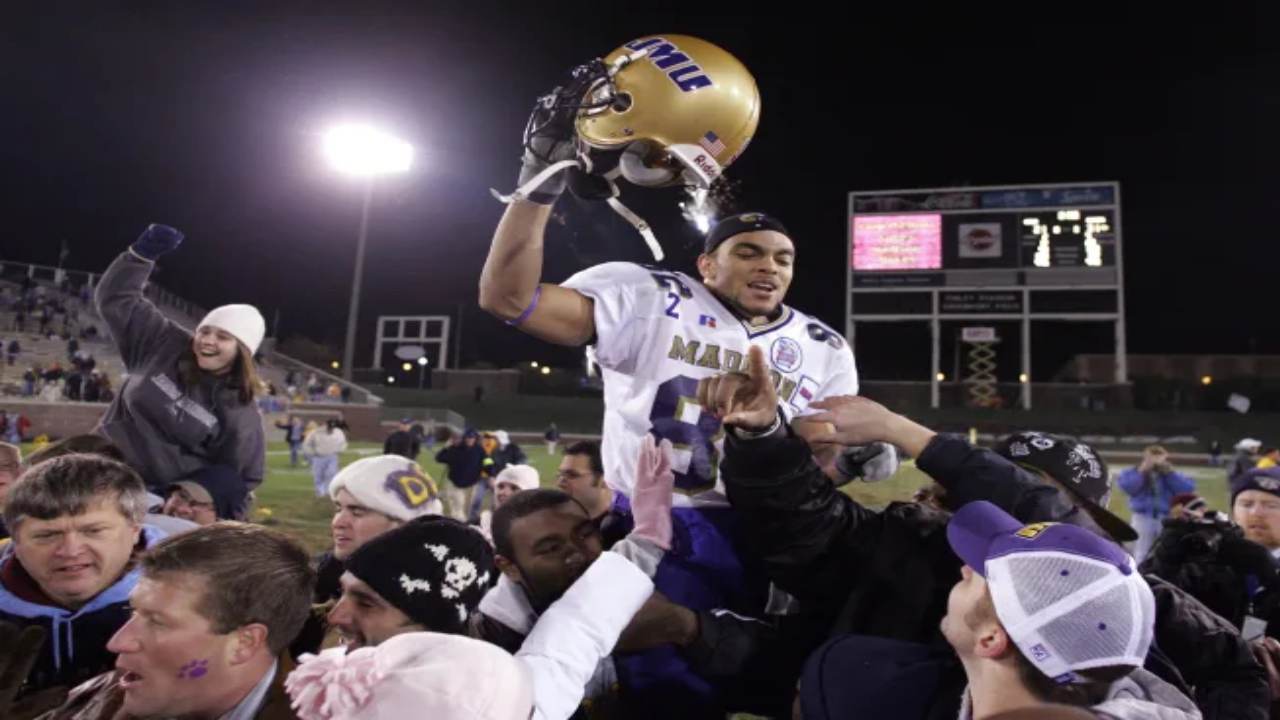
Momentum shifted dramatically with the arrival of head coach Mickey Matthews in 1999. His leadership transformed belief into results. In 2004, James Madison captured the I-AA national championship, a moment that validated years of patience. Suddenly, success felt tangible. The win energized fans, donors, and administrators. Importantly, the university responded strategically, not emotionally. Instead of splurging recklessly, JMU invested in infrastructure, including the Plecker Athletic Performance Center. Spending increased steadily, separating the program from its FCS peers while maintaining fiscal discipline. The championship did not end the plan; it accelerated it. That balance between ambition and restraint ensured the program’s rise was sustainable, not fleeting, and set the foundation for future leaps.
“Read More : Lando Norris Clinches First F1 World Title in Emotional Abu Dhabi Finale”
Weathering Hard Decisions and Growing Pains
Progress came with painful trade-offs. In 2007, James Madison cut 10 varsity sports to comply with Title IX requirements. The decision sparked backlash and heartbreak across campus. Bourne later described it as the program’s darkest chapter. Yet leadership understood that long-term health required difficult choices. JMU had one of the largest varsity offerings in Division I, and sustaining excellence across all sports demanded recalibration. These moments tested the university’s resolve. Instead of derailing progress, adversity sharpened focus. The athletic department emerged leaner, clearer, and better positioned to support football’s growth without sacrificing broader institutional values. The willingness to endure criticism reinforced a culture built on responsibility rather than reaction.
From Quiet Planning to National Relevance
Today, James Madison stands as one of college football’s most improbable success stories. The Dukes moved to the FBS just three years ago and now face national powers with confidence. Coaches like Bob Chesney and Curt Cignetti have carried that culture forward, their careers mirroring the program’s unlikely ascent. James Madison’s rise reminds the sport that patience still works. In a landscape driven by urgency, the Dukes prove that deliberate planning can outperform chaos. Their journey from a small mountain campus to national relevance is not a fairy tale. It is a blueprint, built slowly, thoughtfully, and with faith that taking time is sometimes the boldest move of all.