Mikaela Shiffrin’s Gold, Hockey Drama, and a Wolfdog Surprise: Day 12’s Most Human Olympic Moments
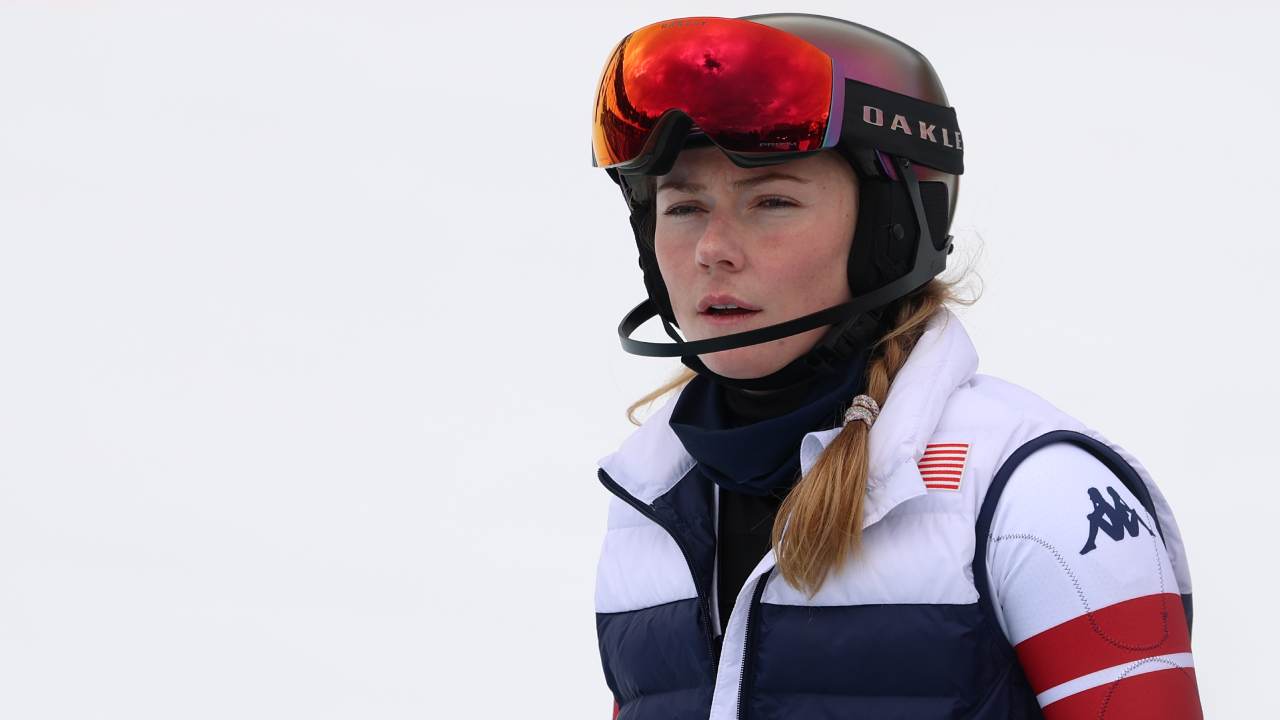
Ohana Magazine – Mikaela Shiffrin walked into Day 12 carrying something heavier than skis: an eight-year Olympic drought and the pressure of being “the favorite” again. Yet, instead of racing with fear, she raced with clarity. She won women’s slalom gold in 1:39.10, finishing about 1.5 seconds ahead of second place, which is an enormous margin in elite skiing. More importantly, she did it with a performance that looked calm on the surface, but emotional underneath. After a difficult start to these Games, this win felt like a turning point not just for her results, but for her story. And because the Olympics thrive on moments like this, Shiffrin’s victory instantly became one of those scenes people will remember for years, even if they forget the medal table.
The Women’s Slalom Became a Reminder That Experience Still Wins Under Pressure
The women’s slalom often punishes hesitation. It rewards athletes who commit fully, even when the course demands brutal precision. That is why Shiffrin’s gold mattered beyond the stopwatch. She didn’t just ski fast; she skied like someone who understood exactly when to attack and when to protect a line. While younger racers often rely on raw speed, Shiffrin relied on timing, rhythm, and discipline. In other words, she showed why experience still matters at the Olympic level. Even better, she did it after earlier disappointments, which made her win feel personal to many viewers. Athletes rarely get the perfect narrative arc, but this was close. And for anyone who has ever rebuilt confidence after a setback, Shiffrin’s gold felt less like sports and more like a human lesson delivered at 100 kilometers per hour.
“Read More : Chinese Calligraphy Gains Renewed Interest Among Malaysian Seniors”
Canada vs Czech Republic Turns into a Quarterfinal Nail-Biter with Everything at Stake
While Shiffrin celebrated gold, men’s hockey delivered its own kind of tension. Canada and the Czech Republic battled in a tight quarterfinal, tied 2-2 as the game entered a nerve-shredding third period. The stakes could not be clearer: win and move on, lose and go home. Even worse for Canada, captain Sidney Crosby left the ice in visible discomfort and did not return to the bench, which instantly shifted the mood. Still, the Canadians leaned on their stars like Nathan MacKinnon and Connor McDavid, hoping talent could overcome chaos. Meanwhile, the Czech side faced a different challenge: staying disciplined and avoiding penalties. The game felt like a thriller because it carried everything the Olympics do best national pride, fragile momentum, and the knowledge that one mistake can rewrite history.
Team USA Watches Closely Because Overtime Could Change the Whole Tournament
One of the most fascinating parts of Olympic hockey is that the drama never belongs to just two teams. As Canada and the Czech Republic fought through a tied game, Team USA had every reason to watch with quiet excitement. If the match stretched into overtime, it could drain the eventual winner physically and emotionally, giving the Americans a strategic edge later. That is why tournament hockey feels like chess played at full speed. Every shift matters, but so does every minute on the clock. At the same time, the pressure on Canada grew even sharper because their depth suddenly mattered more without Crosby. The Czech Republic, on the other hand, sensed opportunity and played with fearless energy. Even for neutral fans, the game delivered the kind of tension that makes people forget to blink. And that is exactly why hockey feels so Olympic.
“Read More : Champions League 2025/26 New Format, Bigger Play-Off Drama”
Nazgul the Wolfdog Becomes the Unexpected Star of the Day
Day 12 also produced something nobody could script: a two-year-old Czechoslovakian wolfdog named Nazgul running to the finish line in the women’s team sprint free final. In an Olympics filled with elite athletes, it was a dog that captured social media’s heart. Yet, the moment worked because it felt pure. For a few minutes, people stopped arguing about medals and simply smiled. Nazgul reminded viewers that sport is not only about winning, but also about surprise, joy, and shared attention. Even better, the image carried a strange emotional warmth a reminder that living beings don’t always follow the script, and sometimes that is the magic. Of course, officials and organizers will likely review how it happened. Still, fans will remember it as the kind of Olympic moment that feels like a story you tell friends, not a headline you scroll past.
Johannes Klaebo Extends His Record, Quietly Becoming an All-Time Olympic Legend
While Shiffrin delivered the headline, Johannes Hoesflot Klaebo continued building something even bigger: a legacy. He won his fifth gold of these Games in the men’s cross-country team sprint, which also became the 10th Olympic gold of his career. That number matters because it pushes him further into history as the most successful Winter Olympian ever. Yet, Klaebo’s greatness doesn’t feel loud. Instead, it feels consistent. He shows up, executes, and leaves the rest of the field chasing shadows. In a way, Klaebo represents the opposite side of Olympic storytelling. Some athletes arrive with drama and redemption. Others arrive with dominance and inevitability. Klaebo sits firmly in the second category, and that is just as impressive. Because when greatness becomes routine, it still requires extraordinary discipline behind the scenes.