Winter Olympics Hockey Venues Face Final-Stage Concerns as Officials Reassure Competition Readiness
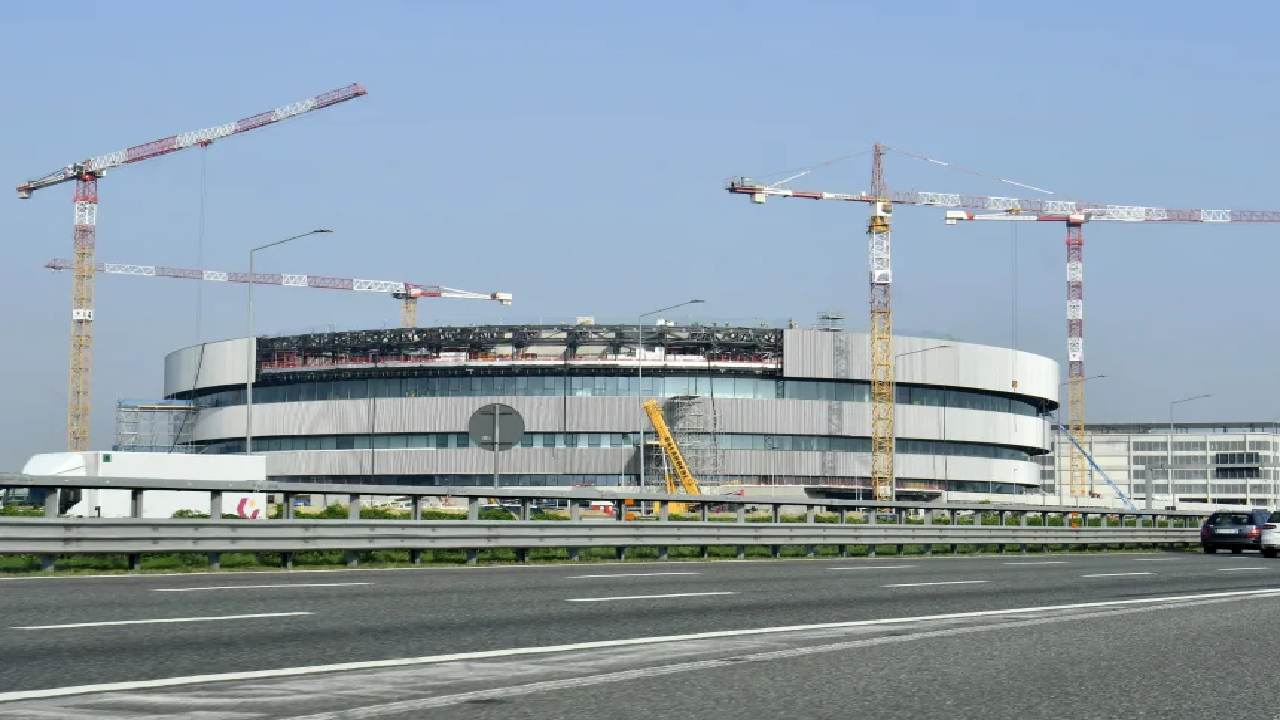
Ohana Magazine – With the 2026 Winter Olympics drawing closer, concerns have surfaced about whether key hockey venues in Italy will be fully completed in time. Speaking in St. Paul, Minnesota, International Ice Hockey Federation president Luc Tardif acknowledged that some non-essential elements of the main hockey arena may not meet the original expectations by opening day. However, he emphasized that the core elements namely the ice surface, practice rinks, and dressing rooms will be ready when competition begins. As a result, officials remain confident that the men’s tournament, set to start on February 11, can proceed without disruption despite visible construction challenges.
Capacity Adjustments and Realistic Expectations
While the arena will host Olympic-level competition, it will not look exactly as initially envisioned. Tardif openly noted that seating capacity at the Milano Santagiulia Ice Hockey Arena will reach approximately 11,800, which falls short of early projections. Still, he stressed that the venue will offer a functional and visually appealing setup for the Games. Rather than focusing on perfection, organizers appear to be prioritizing readiness and safety. Consequently, expectations are being recalibrated, favoring practicality over scale. For fans and officials alike, the message is clear: while compromises exist, the experience should remain worthy of the Olympic stage.
“Read More : Brad Keselowski Faces an Unexpected Setback Off the Track”
Construction Delays Place Spotlight on Organizers
Construction delays at both the Santagiulia arena and the secondary Rho facility have fueled headlines in recent weeks. These concerns carry additional weight because the women’s hockey tournament opens on February 5, just days before the men’s event. Moreover, the return of NHL players to the Winter Games for the first time since 2014 raises the stakes even higher. While the IIHF does not oversee construction directly, responsibility rests with the International Olympic Committee and local organizers. As deadlines approach, pressure continues to mount to demonstrate tangible progress.
NHL Safety Concerns Add Urgency
Beyond timelines, safety remains the NHL’s primary concern. The National Hockey League has expressed caution regarding both construction status and ice quality. Deputy Commissioner Bill Daly previously stated that player participation depends entirely on safety assurances. As a result, the league plans to send independent experts to Italy to inspect the ice firsthand. Although the rink dimensions fall within IIHF standards, they differ slightly from NHL specifications. This distinction has intensified scrutiny, reinforcing the league’s stance that safety cannot be compromised under any circumstances.
“Read More : Bernie Collins Warns Cadillac’s Biggest F1 Win in 2026”
Testing Events Aim to Build Confidence
In response to mounting concerns, Tardif confirmed he will travel to Italy alongside NHL and NHL Players’ Association officials for an on-site test event. This visit represents a crucial checkpoint rather than a ceremonial gesture. By observing the venue under near-competition conditions, officials hope to address lingering doubts. Tardif expressed cautious optimism, noting that while the process has been stressful, confidence remains intact. Nevertheless, he admitted that final judgments should follow real-world testing. For now, anticipation outweighs alarm, though definitive reassurance depends on what inspectors find.
Ice Dimensions Spark Broader Olympic Debate
Unexpected revelations about rink dimensions have added another layer to the discussion. The NHL learned that the rinks would be slightly wider and shorter than previously agreed upon, prompting renewed dialogue between stakeholders. Although these dimensions comply with IIHF regulations, the NHL and its players’ union have reiterated their expectation that future Olympic tournaments particularly the 2030 Games use standard NHL-sized ice. This situation highlights the complexities of aligning international standards with professional league preferences, especially when Olympic timelines leave little room for last-minute changes.
Balancing Readiness, Trust, and Olympic Pressure
As Milan–Cortina 2026 approaches, the situation reflects a familiar Olympic challenge: balancing ambitious planning with real-world constraints. Officials project confidence, yet they also acknowledge unease behind the scenes. While unfinished elements may remain visible, organizers aim to ensure that competition integrity, player safety, and operational readiness take priority. Ultimately, trust between governing bodies, leagues, and athletes will determine whether these venues are remembe