Slow Epstein Files Disclosures Ignite Fresh Political Turmoil Around Trump
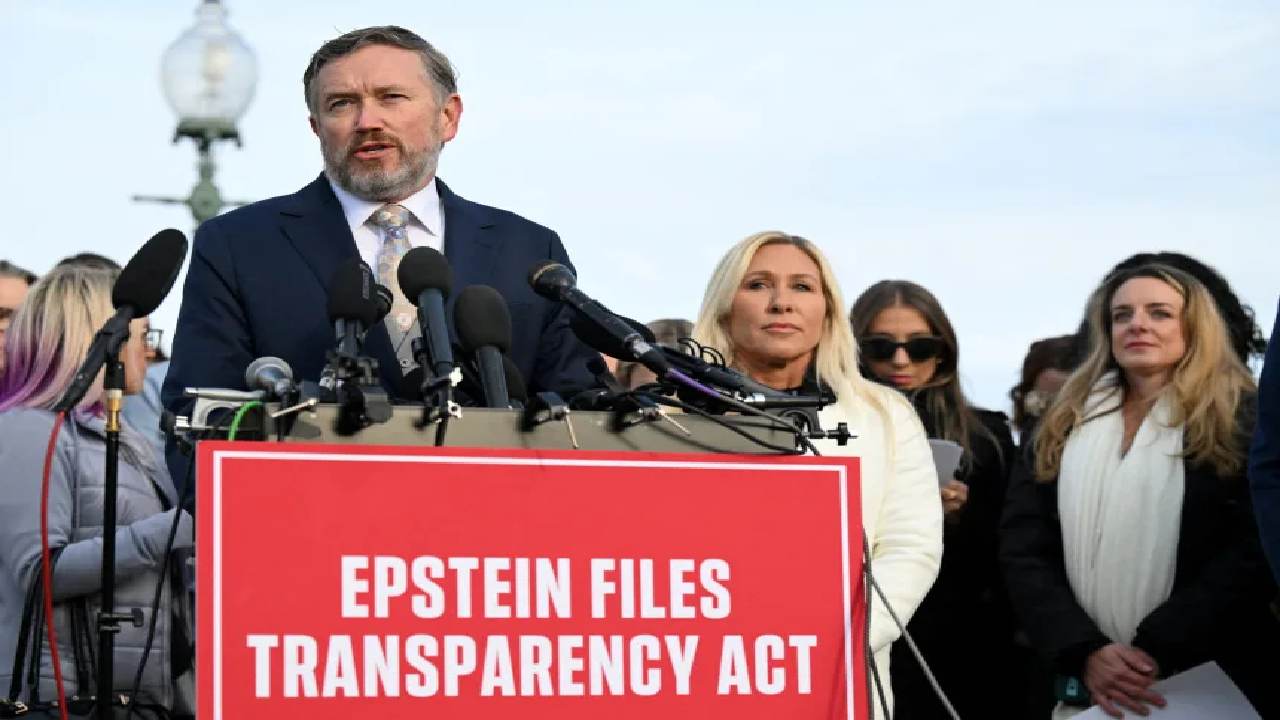
Ohana Magazine – The Justice Department released a portion of the long-awaited Jeffrey Epstein files, but the move quickly disappointed the public. Instead of clarity, the disclosures raised more questions. Officials confirmed that the files reference more than 1,200 victims or their relatives, highlighting the scale of Epstein’s crimes. However, heavy redactions removed key details that many hoped would finally explain how Epstein avoided prosecution for years. As a result, survivors and lawmakers felt let down once again. What should have been a step toward transparency instead reopened old wounds. The slow pace and limited scope of the release created a familiar sense of injustice, reminding many that accountability often arrives late or not at all when powerful figures stand nearby.
Justice Department Defends Its Caution
Justice Department leaders insist they acted carefully to protect victims’ identities. According to officials, most documents contain sensitive personal information. For that reason, they chose to redact large portions of the files. Still, critics argue the department went too far. They say the law allows redactions only when necessary, not as a default approach. This defense has failed to calm growing suspicion. Many observers now believe the department prioritized risk avoidance over public trust. As criticism grows, the DOJ finds itself trapped between legal duty and public doubt, with every explanation adding fuel to the controversy instead of resolving it.
“Read More : Bondi Beach Shooting: 11 Killed in Terror Attack Targeting Jewish Community”
Rare Bipartisan Anger in Congress
Lawmakers from both parties have united in their criticism of the disclosures. Representatives Thomas Massie and Ro Khanna, who often disagree on policy, now share the same demand: full transparency. They warn that continued delays could lead to contempt proceedings against senior officials. Their unusual partnership reflects a broader mood on Capitol Hill. Members of Congress see the Epstein files as a test of whether oversight still matters. Meanwhile, Democratic leaders question whether politics influenced the release process. This bipartisan pressure shows how deeply the issue cuts across party lines, turning Epstein’s case into a national accountability battle.
Trump and Clinton Back in the Spotlight
Although investigators have not accused Donald Trump or Bill Clinton of crimes tied to Epstein, both names surfaced again in the released files. Photos and references involving Clinton drew public attention, while mentions of Trump appeared limited. That imbalance sparked new debate. The situation worsened when the Justice Department briefly removed a photo showing Trump from its website, then restored it later. Critics questioned the decision, while allies dismissed it as routine review. Even without formal accusations, these moments keep both figures tied to the scandal, proving that association alone can carry lasting political weight.
“Read More : Ukraine Expands Its Energy War Strategy as Strikes Push Russia Into Economic Pressure”
Survivors Feel Left Behind Again
For Epstein’s survivors, the slow disclosures carry deep emotional costs. Many hoped the files would finally validate their experiences and expose past failures. Instead, the limited release felt like another broken promise. Advocates warn that repeated delays prolong trauma and silence voices that deserve to be heard. Protecting privacy matters, but survivors argue that truth also heals. As lawmakers debate process and politics, those most affected wait once more. Their patience grows thinner with each missed deadline, reinforcing fears that justice continues to move at a painful pace.
A Controversy That Refuses to Fade
The Epstein file dispute has grown into a wider crisis of trust. Each delay strengthens public suspicion and deepens political division. For the Trump administration, the issue threatens to revive damaging questions. For Congress, it tests the strength of oversight. And for the public, it raises doubts about equal justice under the law. Until full transparency arrives, the Epstein controversy will continue to shape politics, public confidence, and the long fight for accountability.