Netanyahu and Trump: A Familiar Appeal in a Relationship Tested by Power and Caution
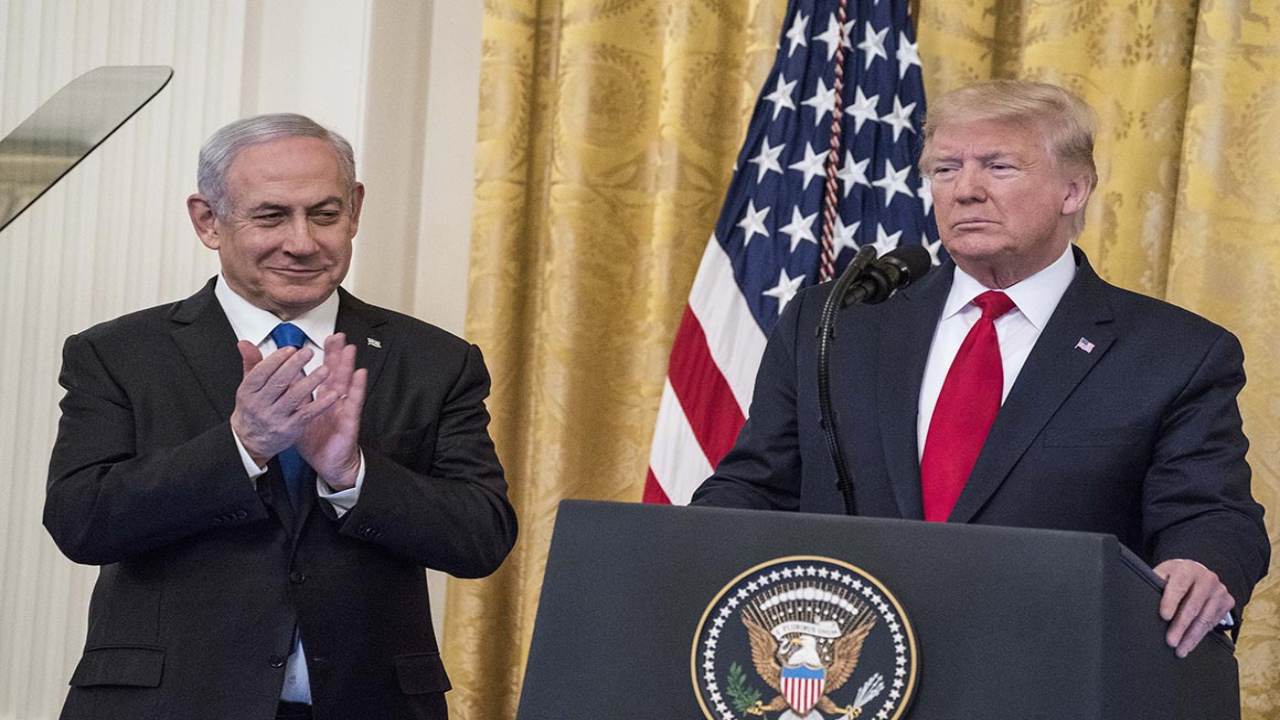
Ohana Magazine – Benjamin Netanyahu and Trump arrives in Florida carrying a message Donald Trump knows well. Once again, the Israeli prime minister praises Trump as Israel’s strongest ally while urging him to take a harder line against shared adversaries. The themes are familiar: Hamas in Gaza, Iran’s missile ambitions, and the need for decisive leadership. Yet this meeting feels different. Trump is no longer only the enthusiastic supporter Netanyahu once relied on. As president, he has grown more cautious, mindful of his promise to be a peacemaker and increasingly aware of American fatigue with Middle Eastern wars. Netanyahu’s appeal, though consistent, now lands in a more complex political atmosphere. What once sounded like a call to action now risks clashing with Trump’s desire to avoid new conflicts that could undermine both domestic support and his broader vision of stability.
A Relationship Built on Praise and Pressure
Over the past year, Netanyahu has repeatedly framed Trump as Israel’s greatest champion, often in public displays of loyalty and gratitude. Behind the scenes, however, those gestures come with persistent pressure. Netanyahu seeks stronger backing against Hamas and firm deterrence toward Iran. Trump, while receptive to Israel’s security concerns, has shown signs of frustration with unilateral Israeli actions that complicate US diplomacy. Strikes in Syria and operations in sensitive regions have made the White House wary. The dynamic has become a delicate dance of mutual flattery and quiet disagreement. Both leaders understand the optics of unity matter, yet their strategic instincts increasingly diverge. This tension does not erase cooperation, but it reshapes it into something more transactional and cautious than the uncritical alignment of earlier years.
“Read More : Thailand and Cambodia Sign Truce to End Fierce Border Clashes”
Gaza Ceasefire Under Strain
At the center of this evolving relationship lies Gaza. Trump invested personal and political capital in finalizing a ceasefire agreement he hoped would define his image as a president of peace. That agreement now faces serious strain. Continued Israeli military operations and delays in moving toward the second phase of the deal have tested Washington’s patience. The next phase includes Hamas disarmament, reconstruction, and a new governance framework, all sensitive and politically explosive issues. US officials want momentum, clarity, and international buy-in. Israel, meanwhile, remains reluctant to withdraw further without concrete security guarantees. This gap has created unease inside the White House, where some advisers fear Netanyahu may be intentionally slowing progress, putting Trump’s signature diplomatic achievement at risk.
Mutual Dependence Behind Closed Doors
Despite visible friction, Trump and Netanyahu remain bound by mutual dependence. Netanyahu faces growing domestic pressure and calls for resignation amid corruption charges and wartime criticism. Trump, on the other hand, needs Netanyahu’s cooperation to prevent his Gaza plan from collapsing. Analysts describe the relationship not as one of trust or affection, but necessity. Each leader holds leverage the other cannot ignore. This dependency tempers open confrontation and keeps disagreements largely private. The meetings may be tense, but neither side benefits from a rupture. Instead, both appear willing to tolerate discomfort to protect their respective political futures. In this sense, the relationship survives not on shared vision, but on shared vulnerability.
“Read More : Russian General Killed in Moscow Car Bomb Shocks Security Establishment”
Regional Fault Lines Beyond Gaza
Gaza is only one piece of a broader regional puzzle straining US-Israel relations. Differences extend to Syria, Lebanon, and Qatar. Trump’s willingness to engage controversial leaders contrasts with Israel’s security-first approach, particularly in maintaining buffer zones and countering Hezbollah. When Israeli actions threatened Qatar’s role as a mediator, Trump reacted sharply, fearing damage to delicate negotiations. These moments reveal deeper disagreements about diplomacy versus military pressure. While Israel prioritizes immediate security threats, the US increasingly emphasizes regional balance and coalition-building. Each disagreement adds weight to the relationship, forcing both leaders to reassess how far alignment truly goes when strategic priorities diverge.
Iran as the Unresolved Flashpoint
Iran remains the most dangerous and unifying issue between Trump and Netanyahu. Both leaders publicly insist Tehran must never obtain a nuclear weapon. Yet even here, approaches differ. Trump has already demonstrated his willingness to use overwhelming force, while also signaling a desire to avoid prolonged conflict. Israel closely monitors Iran’s nuclear enrichment and missile development, urging vigilance and readiness. The risk is escalation without clear exit paths. For Trump, Iran represents a test of restraint; for Netanyahu, an existential concern. As they meet again, Iran looms as the issue that could either reaffirm their partnership or expose its limits, depending on how far each is willing to go.