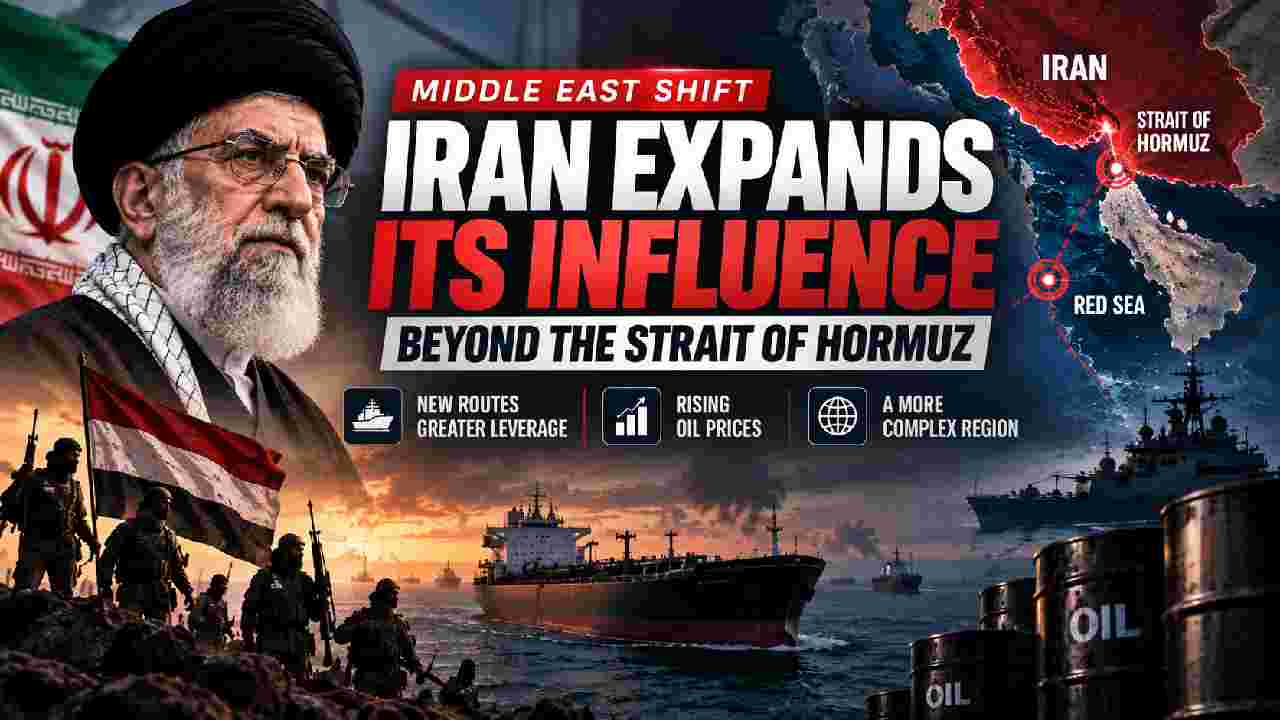
US Signals Deeper Strikes into Iran as Regional War Escalates
Ohana Magazine – The conflict between the United States and Iran has entered a more dangerous phase. Washington now signals plans to strike deeper inside Iranian territory. Military leaders say this move reflects a new strategy after days of heavy fighting across the region. What started as limited strikes has quickly turned into a broader confrontation. Several countries and alliances are now involved.
The chairman of the Joint Chiefs of Staff confirmed that future operations may expand further into Iran. The goal is to weaken key military infrastructure. However, analysts warn that such escalation increases the risk of wider instability. Each new strike may pull more nations into the conflict. As a result, global leaders are watching the situation with growing concern.
Naval Strike in the Indian Ocean
A major development occurred in the Indian Ocean. A US submarine reportedly torpedoed and sank an Iranian warship. Defense Secretary Pete Hegseth confirmed the strike. He also stressed that military operations against Tehran are still in their early stages.
This attack shows that the conflict has moved beyond land and air battles. Naval forces are now involved as well. The Indian Ocean is a vital route for global trade and energy shipments. Because of this, military activity in these waters worries many experts. If naval confrontations continue, shipping lanes could face disruptions. For now, US officials say the strike was necessary to remove a threat to allied forces operating in the region.
“Read More : Half a Million Indonesian Citizens in a Vulnerable Situation“
NATO Intercepts Missile Near Turkey
The conflict has also spread into regional airspace. Turkey reported that NATO air defense systems intercepted an Iranian missile. The projectile traveled through the skies of Iraq and Syria before heading toward Turkish territory. NATO defenses destroyed the missile before it reached its target.
Although no damage occurred in Turkey, the event highlights rising risks in the region. A missile crossing several national airspaces can trigger serious security concerns. Military analysts warn that even a small mistake could cause a larger confrontation. Because of this, NATO members remain on high alert. Governments across the region are carefully monitoring any new missile launches.
Civilian Casualties Continue to Rise
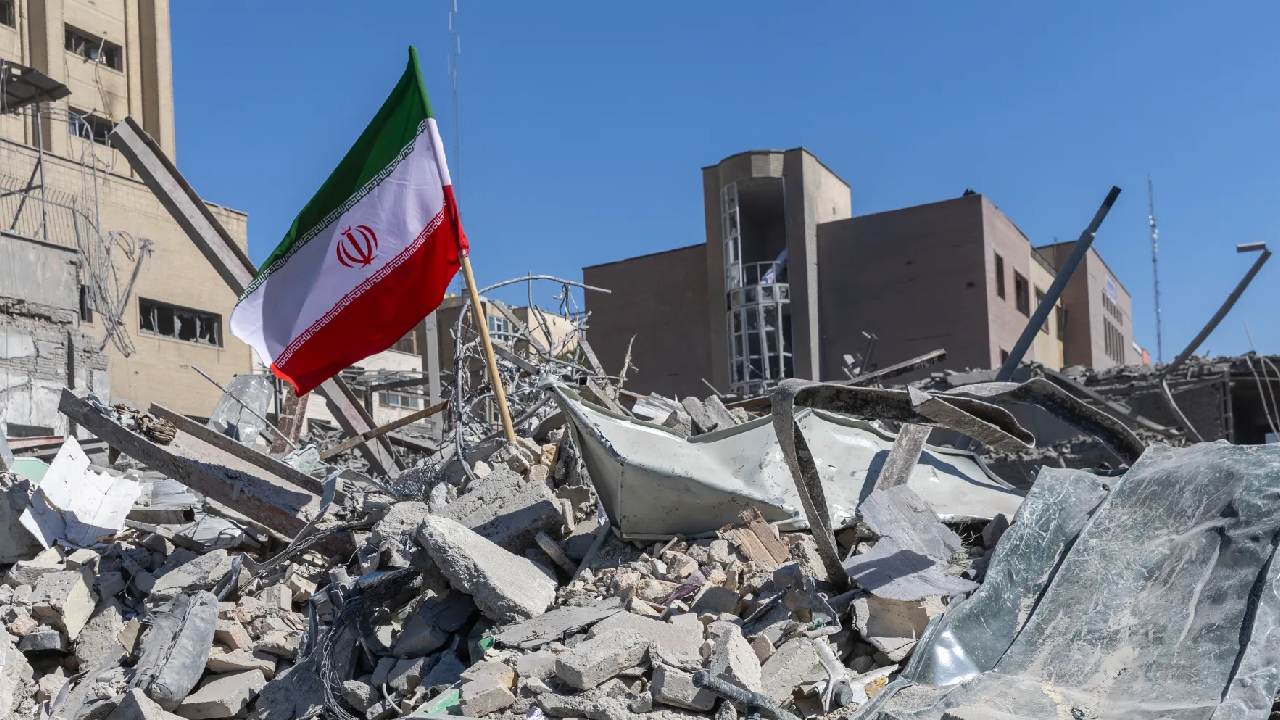
The human cost of the war continues to grow. Reports from the Human Rights Activists News Agency say more than 1,000 people have died in Iran since the conflict began. Many of the victims are civilians living near strategic locations. Missile strikes and drone attacks have hit several populated areas.
In cities like Tehran, rescue teams work day and night. Volunteers help search damaged buildings and assist survivors. Families across the country face growing uncertainty. Many people now live with constant fear of new attacks. Humanitarian organizations warn that prolonged fighting could lead to mass displacement. Economic pressure on local communities may also increase as the conflict drags on.
“Read More : China Calls for Immediate Ceasefire After US-Israel Strike“
Evacuations and Embassy Closures
Governments around the world are now focusing on protecting their citizens. The United States has closed several embassies in the region. It has also reduced diplomatic staff in nearby countries. Officials have issued warnings urging Americans to leave affected areas immediately.
Other countries are taking similar actions. The United Arab Emirates announced the creation of safe air corridors. These routes allow foreign nationals to evacuate more easily. Emergency flights have already begun transporting stranded citizens out of the region. Diplomatic closures often signal that governments expect conditions to worsen. As tensions rise, many countries are preparing for further escalation.
A Region Facing Uncertainty
Across the Middle East, people now wait anxiously for the next development. Military experts say the decision to strike deeper into Iran marks a serious escalation. At the same time, Iran has launched waves of missiles and drones toward Israel and US allies. These retaliatory attacks show that the conflict could continue for some time.
The biggest concern is whether the war will expand further. A broader regional conflict could affect global security and energy markets. In many cities, daily life continues under the shadow of uncertainty. Families follow news updates closely while hoping for diplomatic solutions. For now, the region remains tense as leaders search for a path that could prevent further escalation.