Bitcoin Drops to $70,000: How Federal Reserve Policy Reshapes Investor Confidence

Ohana Magazine – The recent drop of Bitcoin to around $70,000 has captured the attention of investors across the globe. Just days earlier, the cryptocurrency had been approaching $76,000, fueled by strong institutional inflows. However, the momentum quickly faded after signals from the Federal Reserve suggested that monetary policy would remain tight. This shift created a ripple effect throughout the market, causing investors to reassess their positions. For many, the correction felt abrupt, yet it reflected deeper concerns about macroeconomic stability. Bitcoin, often seen as a hedge against uncertainty, suddenly faced pressure from the very factors it was expected to resist. This moment highlights how interconnected the crypto market has become with global financial systems, where decisions made by central banks can influence digital assets almost instantly.
The Federal Reserve’s Influence on Market Sentiment
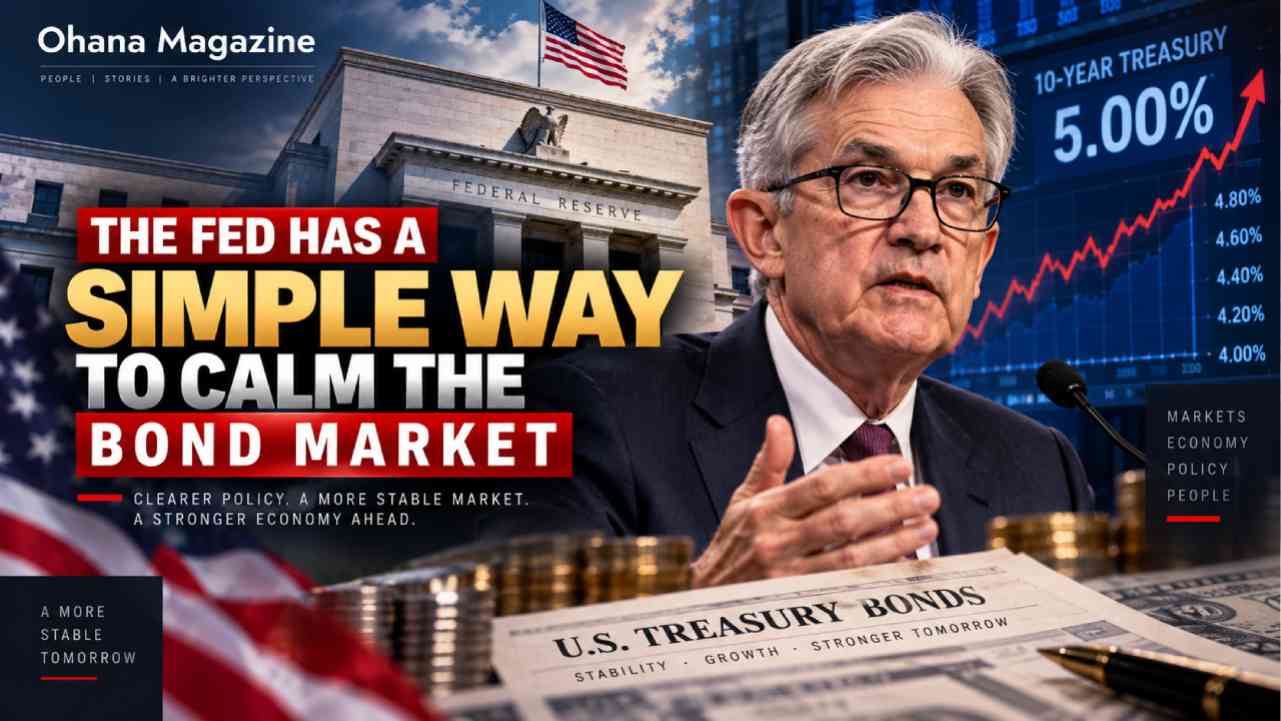
The Federal Reserve plays a crucial role in shaping investor behavior, and its recent stance has once again demonstrated that influence. During the latest Federal Open Market Committee meeting, policymakers signaled that interest rates would remain elevated. At the same time, inflation projections were revised upward to around 2.7 percent. These developments suggest that the central bank is not ready to ease its policies. For investors, this creates a challenging environment. Higher interest rates often reduce the appeal of riskier assets, including cryptocurrencies. As a result, many market participants chose to reduce their exposure to Bitcoin. This reaction shows how sensitive the crypto market is to macroeconomic signals. Even in a decentralized ecosystem, traditional financial policies continue to play a dominant role in shaping outcomes.
“Read More : Leonardo DiCaprio’s New Film Goes Viral with Jennife“
From Rally to Correction in Just a Few Days
Bitcoin’s recent price movement tells a story of rapid change and shifting expectations. Earlier in the week, the cryptocurrency experienced a strong rally, driven by significant inflows into spot Bitcoin exchange-traded funds. Over seven consecutive sessions, these inflows reached more than $1.16 billion, signaling strong institutional interest. This surge pushed Bitcoin closer to new highs, creating optimism among investors. However, the optimism proved short-lived. Once the Federal Reserve’s policy outlook became clear, the narrative shifted quickly. The same market that had celebrated gains began to focus on potential risks. This transition from excitement to caution illustrates the volatile nature of cryptocurrency markets. It also underscores the importance of external factors in determining price movements, even for assets that operate outside traditional systems.
Institutional Investors and Their Growing Impact
Institutional investors have become a driving force in the cryptocurrency market, and their actions significantly influence price trends. The recent inflows into Bitcoin ETFs demonstrate how large-scale investments can push prices upward. However, these same investors can also trigger corrections when market conditions change. In the current scenario, the shift in Federal Reserve policy likely prompted institutions to reconsider their strategies. Unlike retail investors, institutions often respond quickly to macroeconomic signals, adjusting their portfolios accordingly. This dynamic creates a more complex market environment, where price movements are influenced by both sentiment and strategy. As institutional participation continues to grow, the crypto market becomes more aligned with traditional financial systems, making it increasingly sensitive to global economic developments.
“Read More : Eid al-Fitr 1447 H in Saudi Arabia and Europe is set fo“
Bitcoin’s Role as a Safe Haven Under Pressure
Bitcoin has often been described as a digital safe haven, especially during times of geopolitical or economic uncertainty. However, the recent decline raises questions about this narrative. While Bitcoin initially benefited from global tensions and institutional interest, the tightening monetary policy introduced new challenges. Investors began to prioritize liquidity and stability, reducing their exposure to volatile assets. This shift suggests that Bitcoin’s role as a safe haven is not absolute. Instead, it depends on the broader economic context. When interest rates rise and financial conditions tighten, even traditionally resilient assets can face pressure. This evolving perception highlights the complexity of Bitcoin’s position in the global financial landscape, where it must compete with both traditional and emerging investment options.
The Psychological Impact on Retail Investors
Beyond institutional movements, the recent price correction also affects retail investors on a psychological level. Many individuals who entered the market during the recent rally may feel uncertain about their decisions. The sudden shift from growth to decline can create anxiety, especially for those who are new to cryptocurrency investing. At the same time, experienced investors often view such corrections as part of the market cycle. They understand that volatility is inherent in the crypto space. However, the emotional aspect cannot be ignored. Market movements are not just numbers on a screen; they represent real financial decisions and personal expectations. This human element adds another layer of complexity to the market, influencing how individuals react to changing conditions.
What This Moment Means for the Future of Bitcoin
The current situation offers valuable insights into the future of Bitcoin and the broader cryptocurrency market. It demonstrates that while Bitcoin operates on decentralized technology, it remains deeply connected to global economic forces. The influence of central banks, institutional investors, and market sentiment continues to shape its trajectory. At the same time, the resilience of Bitcoin should not be underestimated. Despite the recent decline, it remains one of the most widely recognized and adopted digital assets. This moment serves as a reminder that growth often comes with periods of adjustment. As the market continues to evolve, Bitcoin’s ability to adapt to changing conditions will play a crucial role in determining its long-term success.