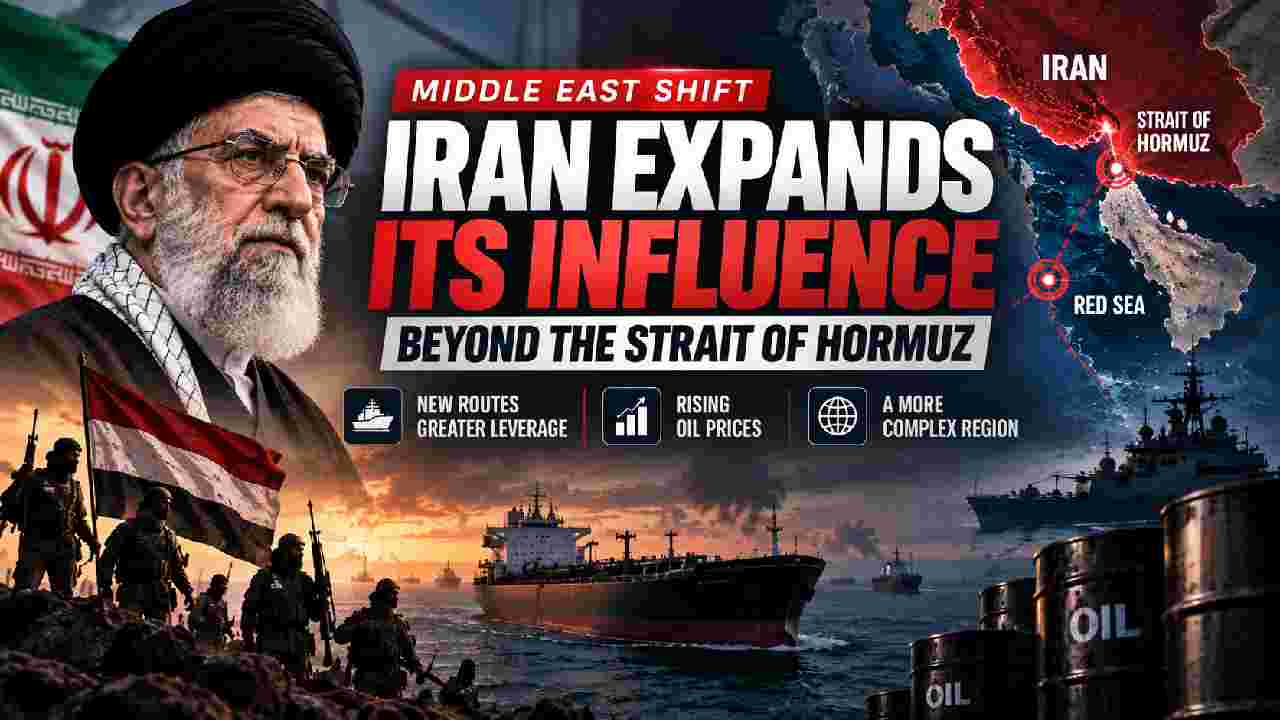
Israel Hit by Iranian Missiles After Trump Speech, Tensions Escalate Overnight
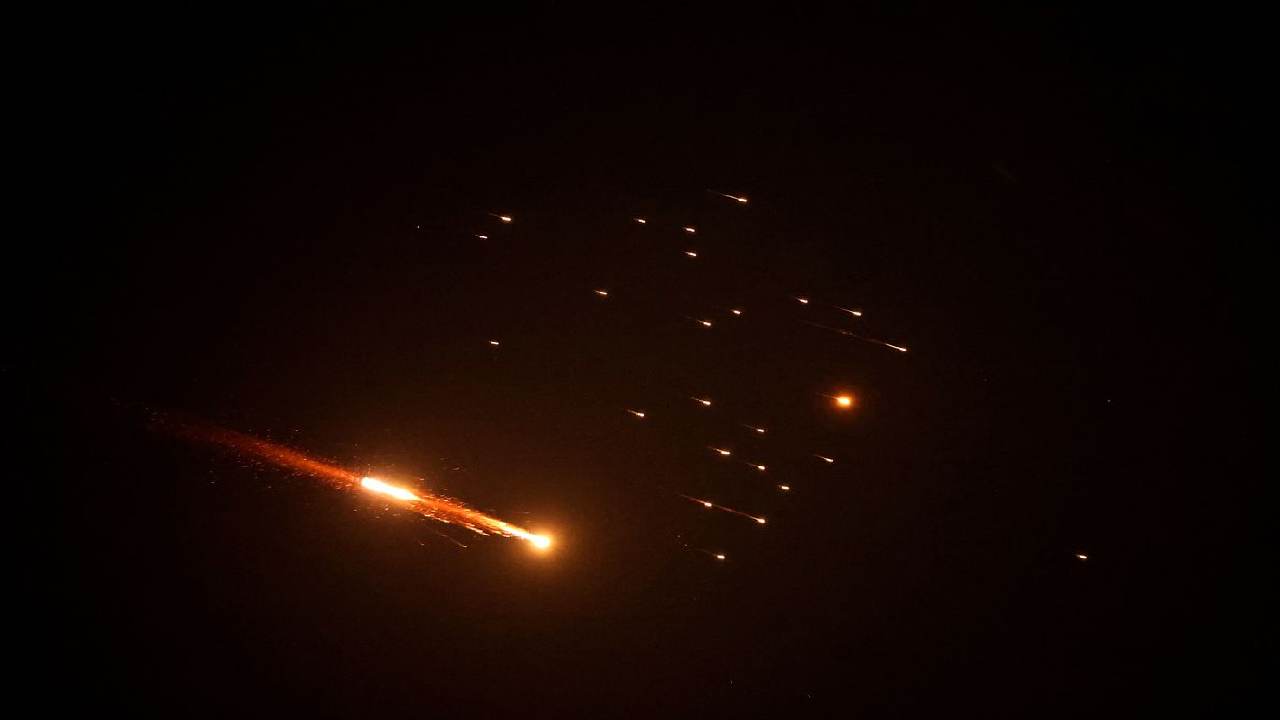
Ohana Magazine – The situation in the Middle East changed dramatically just hours after Donald Trump delivered a national speech about the ongoing conflict. Shortly after he finished speaking, Iran launched a large-scale missile attack toward Israel. The timing shocked many observers and raised serious global concern. Sirens rang across multiple cities, forcing residents to rush into shelters within minutes. What started as a political message quickly turned into a real-life emergency. From a human perspective, this shift felt sudden and frightening. In my view, this moment shows how quickly political tension can turn into direct danger for civilians living in conflict zones.
Waves of Missile Strikes Across Israeli Territory
Iran launched multiple waves of missile attacks, which increased pressure across Israel. The military detected at least two major barrages immediately after the speech, followed by additional launches within hours. Each wave triggered emergency alerts and activated defense systems across the country. Central and northern regions experienced the most intense impact. Because the attacks happened repeatedly, people faced ongoing fear instead of a single moment of danger. This pattern shows a coordinated strategy rather than a random act. As a result, Israel had to deal with continuous threats instead of a short-term crisis.
“Read More : Iran Threatens to Attack US Tech Firms Starting April 1“
Defense Systems Respond Under Pressure
Israel quickly activated its air defense systems to intercept incoming missiles. These systems worked continuously to protect key areas and reduce damage. In many cases, they successfully destroyed missiles before impact. However, some debris still fell in several المناطق, causing minor damage. Emergency teams moved fast to secure affected locations and assist residents. Although the systems performed well, they could not remove all risks. From my perspective, even the strongest defense cannot fully protect people from fear and uncertainty. The sound of explosions and sirens still leaves a deep emotional impact on civilians.
Civilian Impact and Immediate Aftermath
The attacks caused injuries to several people, especially in areas near Tel Aviv. Fortunately, the injuries remained minor, but the emotional stress was significant. Families rushed into shelters, and daily routines stopped instantly. Authorities reported multiple impact points, which showed how widespread the attack was. Some reports suggested that airburst weapons may have spread smaller fragments across large areas. This increased the sense of danger among residents. From a human angle, these moments reveal the reality of conflict. People do not experience war as headlines they experience it as fear, disruption, and uncertainty in their daily lives.
“Baca Juga : World Football Drama Ghana Fires Coach at Crucial“
Sirens, Shelters, and Constant Uncertainty
After the initial strikes, sirens continued to sound across large parts of Israel. Authorities instructed residents to stay inside protected areas for several hours. This created a tense environment filled with uncertainty. People did not know when the next attack might come. Eventually, officials allowed residents to leave shelters, signaling a temporary sense of safety. However, the repeated alerts left a lasting emotional effect. In my opinion, the waiting period creates the most stress. People must stay alert while hoping the danger will pass. This situation shows the mental strength required to live under constant threat.
Regional Tensions Expand Beyond One Front
The conflict did not remain limited to Iran alone. Reports also mentioned potential threats coming from Lebanon, which added another layer of concern. This development shows that the situation involves multiple actors across the region. As tensions rise, each new threat increases the risk of a larger conflict. Military strategies must now consider multiple directions at once. From an analytical view, this complexity makes the situation harder to control. One action can quickly trigger reactions from other groups. Therefore, the conflict continues to grow beyond a single confrontation into a wider regional issue.
A Fragile Balance in an Uncertain Future
Although the attacks slowed down, the tension remains high across the region. Both sides continue to exchange statements, while global leaders monitor the situation closely. The absence of major casualties offers some relief, but the underlying conflict still exists. People continue to live with uncertainty about what might happen next. From my perspective, this situation highlights how fragile stability can be in conflict areas. Real peace requires more than military strength it requires long-term solutions and cooperation. Until that happens, every moment carries the risk of escalation, and every decision can shape the future of the region.