Premier League Panel Admits Liverpool Deserved Penalty Against Arsenal
Ohana Magazine – Liverpool’s controversial penalty incident against Arsenal has reignited concerns about refereeing consistency in the Premier League. The controversy emerged after an independent review panel concluded that Liverpool deserved a penalty during their November 1 encounter at Anfield. The incident involved Liverpool striker Alexander Isak and Arsenal defender Jurrien Timber, whose physical challenge prevented the forward from reaching a dangerous cross. Although referee Andy Madley allowed play to continue, subsequent footage raised serious questions about the decision. Moreover, the Video Assistant Referee (VAR) team chose not to recommend an on-field review. For Liverpool supporters, the panel’s findings offered recognition of a potentially costly mistake. However, that acknowledgment could not change what happened during the match. The controversy also highlighted a familiar frustration among football fans: important decisions can influence matches long before officials publicly acknowledge their mistakes.
Alexander Isak’s Missed Opportunity Becomes the Center of Attention
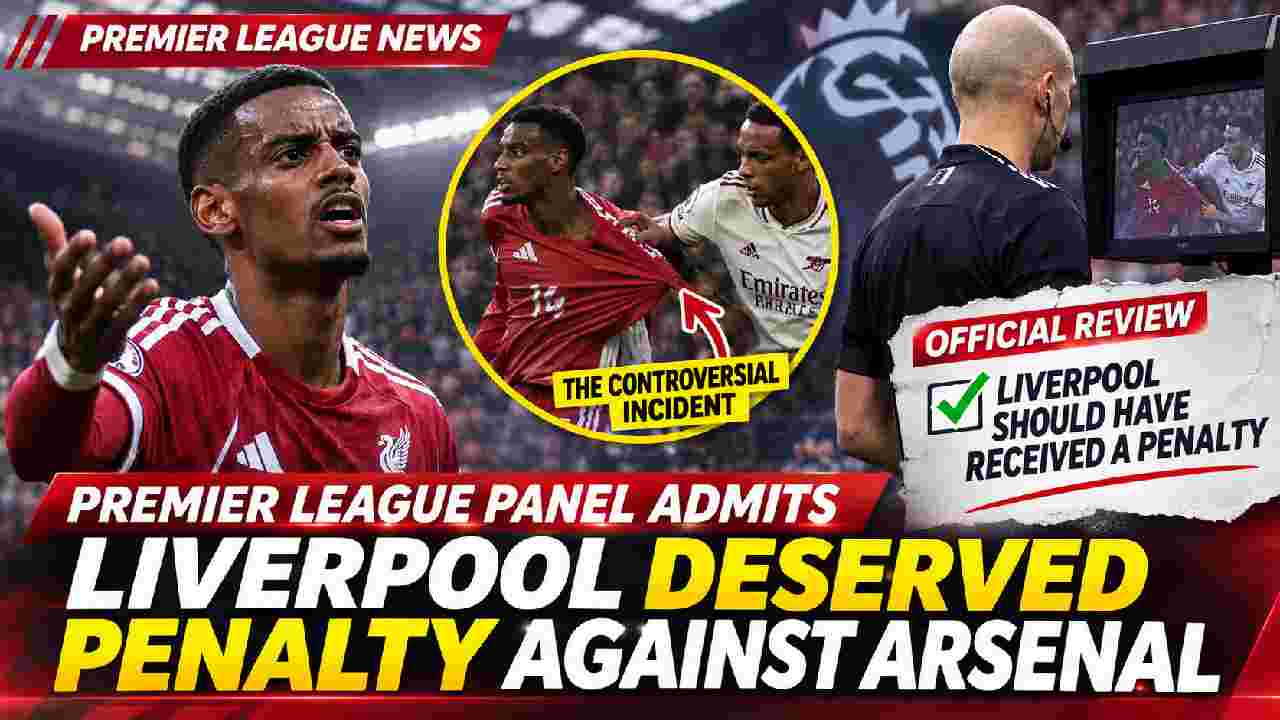
The defining moment occurred in the 21st minute when Alexander Isak positioned himself inside Arsenal’s penalty area. As Bradley Barcola delivered a promising cross, Isak attempted to move toward the ball and create a scoring opportunity. However, Jurrien Timber appeared to pull the Liverpool forward’s shirt, restricting his movement at a crucial moment. Despite the contact, Isak remained on his feet and continued attempting to reach the delivery. Consequently, referee Andy Madley did not award a penalty, while VAR official Stuart Attwell allowed the original decision to stand. Replays later brought renewed attention to Timber’s actions and the effect on Isak’s movement. For many observers, the incident raised an important question about fairness. Should a player need to fall before officials recognize an illegal challenge? The debate quickly moved beyond one particular moment at Anfield.
Read More : Qatar’s Global Sports Ambitions: Investment, Prestige, and Sportswashing Debate
Independent Review Panel Identifies Significant Refereeing Errors
The Premier League’s Key Match Incidents Panel subsequently examined the controversial challenge and reached a decision that strengthened Liverpool’s complaints. According to the reported findings, four of the five panel members believed officials should have awarded Liverpool a penalty. Furthermore, three members supported VAR intervention, while two considered the original decision acceptable without further review. These voting results revealed meaningful disagreement about how referees should interpret physical contact inside the penalty area. Nevertheless, the majority assessment suggested that Timber’s shirt pulling crossed the threshold for a punishable offense. Interestingly, the panel unanimously rejected suggestions that the challenge warranted a direct red card. Its assessment therefore distinguished between a penalty offense and conduct deserving dismissal. Although the review provided additional clarity, it also demonstrated how difficult consistent decision-making remains in elite football, even with technological assistance available.
Liverpool Manager Questions Whether Players Must Fall to Win Penalties
Liverpool manager Andoni Iraola expressed frustration over the incident, arguing that officials overlooked an obvious infringement because Isak remained standing. Speaking to BBC Match of the Day, Iraola emphasized that the striker had positioned himself ahead of Timber and was preparing to challenge for the cross. However, the defender’s shirt pulling prevented him from completing the movement naturally. The manager suggested that falling to the ground might have produced a different refereeing response. His comments reflected a broader concern about how officials evaluate contact during attacking situations. Moreover, they raised questions about whether players receive fair treatment when they attempt to remain balanced despite an opponent’s challenge. For Liverpool, the issue extended beyond disappointment with a single decision. It touched on a fundamental sporting principle: players should not feel pressured to exaggerate contact to receive legitimate protection.
Read More :Arsenal Crash Out of Carabao Cup as Arteta Faces Criticism Over Max Dowman Treatment
VAR Faces Renewed Scrutiny Over Its Decision-Making Standards
The controversy has placed the Premier League’s VAR system under renewed scrutiny, particularly regarding its responsibility to identify clear refereeing mistakes. VAR was introduced to help officials review major incidents involving goals, penalties, direct red cards, and mistaken identity. However, its effectiveness depends on consistent interpretation and appropriate intervention. In Liverpool’s case, the independent panel’s divided assessment of VAR involvement demonstrated the challenges surrounding that responsibility. Although three members believed the technology should have prompted another review, two disagreed with that position. Consequently, the findings highlighted uncertainty about when video officials should overturn or question an on-field judgment. Supporters naturally expect modern technology to reduce controversial decisions rather than create additional confusion. Therefore, maintaining public confidence requires transparent explanations, consistent standards, and clear communication between referees and video officials throughout the competition.
Another Disputed Penalty Decision Highlights Wider Refereeing Concerns
Liverpool’s disputed penalty was not the only incident attracting attention in the latest refereeing assessments. According to the reported review, another controversial decision occurred during the October 31 encounter between Ipswich Town and Hull City. Ipswich defender Dara O’Shea was allegedly prevented from moving freely inside the penalty area by Hull City’s Nobel Mendy. However, referee Peter Bankes did not award a penalty, while VAR official Neil Davies allowed the decision to stand. The match eventually ended in a 2-2 draw, leaving the disputed incident as another significant talking point. Although the circumstances differed from Liverpool’s encounter, both situations raised similar concerns about missed physical infringements. Furthermore, they demonstrated how individual decisions can shape discussions surrounding competitive fairness. For supporters, these recurring controversies reinforce the importance of reliable officiating across every level of professional football.
Liverpool’s Penalty Controversy Raises Important Questions About Football Fairness
Beyond the immediate controversy, Liverpool’s experience against Arsenal illustrates the delicate relationship between football’s human judgment and modern technology. Players prepare throughout the week, managers develop detailed tactical plans, and supporters invest considerable emotion in every important fixture. Consequently, a single disputed decision can influence how an entire match is remembered. The independent panel’s findings offered Liverpool a measure of validation, yet they also emphasized the limitations of retrospective reviews. Once the final whistle sounds, an official acknowledgment cannot recreate a missed opportunity. Nevertheless, transparent assessments can help refereeing authorities identify weaknesses and improve future performances. For Alexander Isak, the incident also highlighted the value of continuing to compete fairly despite physical pressure. As the Premier League moves forward, consistent interpretations and effective VAR communication will remain essential to protecting sporting integrity and restoring confidence among players, managers, and supporters.