Spirit Airlines Shuts Down, Leaving Passengers Stranded and an Industry Forever Changed
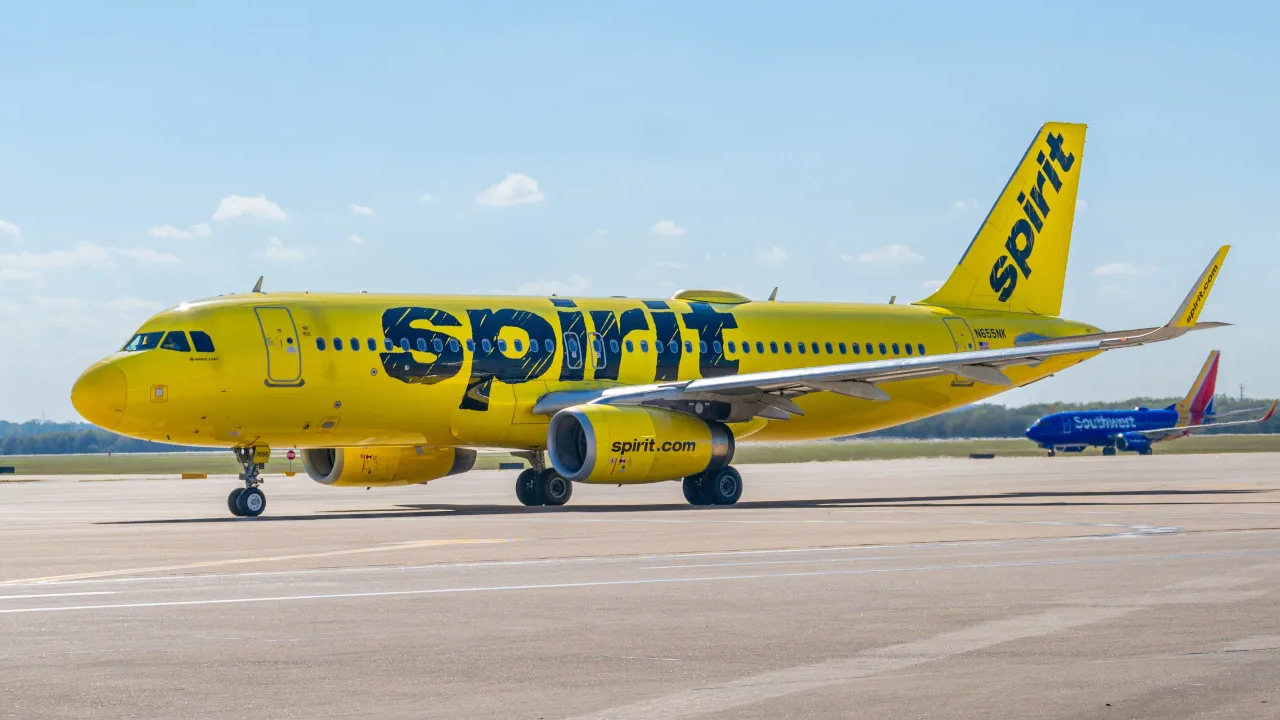
Ohana Magazine – The announcement that Spirit Airlines has ceased operations marks a dramatic turning point in the aviation industry. For decades, the airline reshaped budget travel by offering ultra-low-cost fares that made flying accessible to millions. However, financial struggles that had been building for years finally reached a breaking point. As a result, the company entered its second bankruptcy and failed to secure a last-minute rescue deal. Consequently, all flights were canceled immediately. This sudden shutdown not only shocked travelers but also highlighted the fragile nature of the airline business. In many ways, Spirit’s closure represents the end of an era that once challenged traditional pricing models and redefined affordability in air travel.
Financial Pressure That Could No Longer Be Ignored
Long before its final decision, Spirit Airlines faced mounting financial difficulties. Rising operational costs, intense competition, and fluctuating fuel prices placed immense pressure on its business model. Moreover, global instability, including rising jet fuel costs, worsened the situation significantly. Although the airline attempted to negotiate a rescue package, key creditors ultimately rejected the proposal. As a result, the company had no viable path forward. This collapse makes Spirit the first major US airline in over two decades to shut down due to financial failure. Therefore, its downfall serves as a stark reminder that even established companies can struggle when economic conditions shift rapidly and unpredictably.
Read More : The Extreme Heat Wave of May 2, 2026, Is Going Craz
Thousands of Passengers Left in Uncertainty
As the shutdown unfolded, thousands of passengers found themselves stranded or forced to change their travel plans abruptly. Many travelers arrived at airports only to discover that their flights no longer existed. Meanwhile, customer service channels were shut down, leaving passengers with limited guidance. As a result, frustration and confusion spread quickly. Travelers who were already mid-journey faced even greater challenges, as they had to secure last-minute tickets with other airlines. In many cases, these alternative flights came at significantly higher prices. Consequently, what began as a routine trip turned into a stressful experience, highlighting the vulnerability of travelers when airlines suddenly cease operations.
Refunds, Limitations, and Financial Losses
Although Spirit Airlines promised refunds for tickets purchased directly with credit or debit cards, not all customers will recover their money easily. Those who used vouchers, loyalty points, or alternative payment methods may face uncertainty, as these claims will likely be handled through bankruptcy proceedings. Therefore, many passengers risk losing part or all of their travel investment. Additionally, the airline stated that it would not cover extra expenses such as hotel stays or replacement flights. As a result, travelers must bear additional financial burdens. While travel insurance may provide some relief, not all passengers are covered, leaving many to navigate the situation on their own.
Read More : Global Fossil Fuel Phaseout Conference is in the Global
Industry Response and Temporary Relief Measures
In response to the crisis, other major airlines stepped in to provide limited support. Carriers such as Delta Air Lines and United Airlines introduced temporary fare caps to assist stranded passengers. These measures aimed to prevent extreme price surges for last-minute bookings. However, even with capped fares, the cost of rebooking remains a challenge for many travelers. Meanwhile, government officials monitored the situation closely, emphasizing the importance of consumer protection. Although these efforts offer some relief, they cannot fully replace the scale of operations that Spirit once provided. Therefore, the industry faces a period of adjustment as it absorbs the impact of the airline’s sudden exit.
Job Losses and Economic Impact
Beyond passengers, the shutdown also affects thousands of workers. Approximately 17,000 jobs are at risk, including employees and contractors who depended on the airline’s operations. This loss extends beyond the company itself, impacting local economies and related industries. For many workers, the closure brings uncertainty about their future. At the same time, the reduction in available flights may lead to higher ticket prices across the market. As competition decreases, airlines gain more control over pricing. Consequently, consumers may face increased costs for travel in the coming months. This ripple effect demonstrates how the collapse of a single airline can influence the broader economy.
A Legacy That Changed Budget Travel Forever
Despite its abrupt end, Spirit Airlines leaves behind a lasting legacy. It challenged traditional airlines by proving that low-cost travel could thrive in a competitive market. Over the years, it forced competitors to rethink pricing strategies and introduce more flexible fare options. Even now, its influence remains visible across the industry. However, its closure also raises questions about the sustainability of ultra-low-cost models in a rapidly changing economic landscape. As the aviation sector evolves, the lessons learned from Spirit’s journey will likely shape future strategies. In the end, its story reflects both the potential and the risks of innovation in one of the world’s most demanding industries.