Indonesia’s Asset Tokenization Market Could Reach $88 Billion by 2030
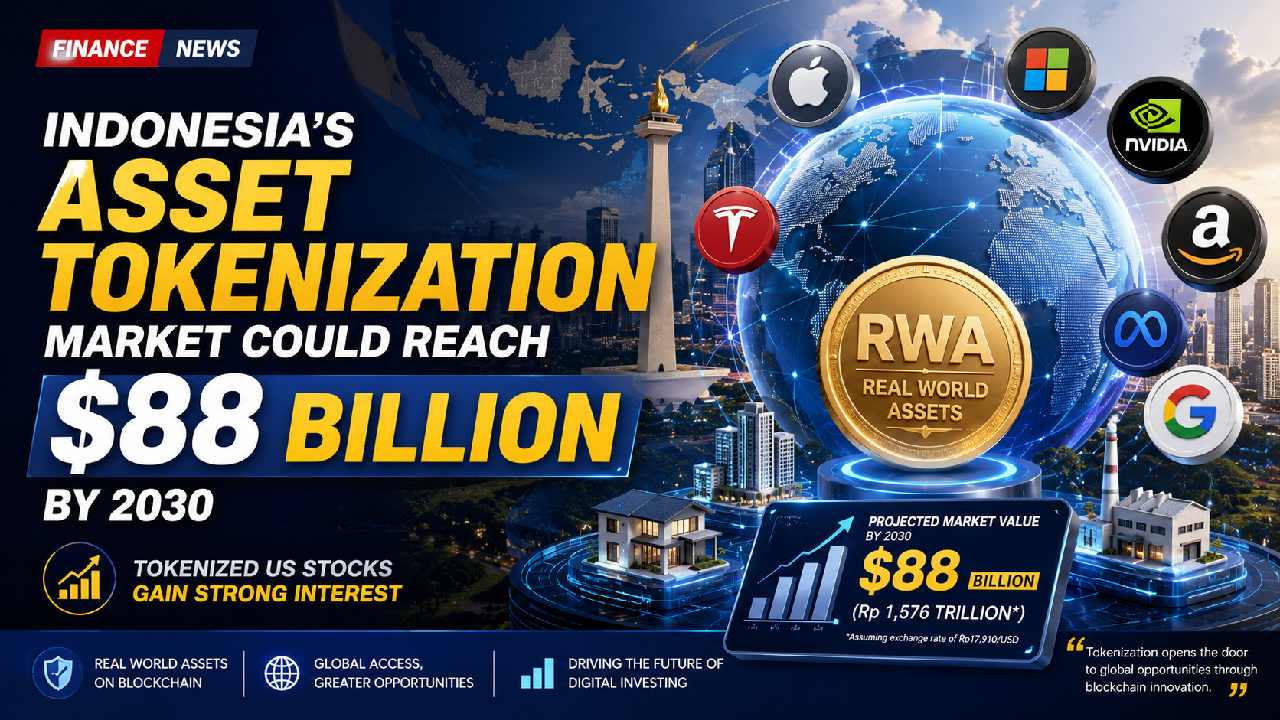
Ohana Magazine – The Indonesia Asset Tokenization Market is entering a major growth phase. A recent projection estimates that its value could reach $88 billion by 2030. This figure equals about Rp1.576 quadrillion, based on an exchange rate of Rp17,910 per US dollar. The market may also record annual growth of 31.7 percent. This outlook shows how quickly blockchain-based finance is developing in Indonesia. Asset tokenization allows physical or financial assets to appear as digital tokens on a blockchain. Investors can then buy smaller portions of those assets. As a result, more people may gain access to investment products that were once difficult to reach. This model also offers faster transactions and clearer ownership records. Therefore, tokenization could become an important part of Indonesia’s future financial system.
A Strong Digital Ecosystem Supports Faster Adoption
Indonesia already has a strong digital economy, which could support faster adoption of tokenized assets. Internet use continues to expand across the country. Digital payments have also become part of daily life for millions of people. In addition, younger investors are becoming more familiar with blockchain technology. These trends create a solid base for new digital investment products. Many investors no longer see blockchain as a tool only for cryptocurrency. They now understand that it can also represent stocks, property, bonds, and other real assets. At the same time, local financial platforms continue to improve their services. They offer easier registration, faster transactions, and more user-friendly tools. Because of these changes, more investors may feel confident entering the market. Clearer rules and stronger protection will also help build long-term trust.
Read More : Berlin Attracts Newcomers as
Tokenized US Stocks Attract Growing Investor Interest
Tokenized US stocks have become one of the most attractive parts of this market. Indonesian investors want easier access to major global companies. Traditional foreign stock accounts can involve complex steps, extra documents, and different market rules. Tokenized shares offer a simpler path. Through blockchain platforms, investors can gain exposure to leading American companies. These may include Apple, Microsoft, NVIDIA, Amazon, Tesla, Meta, and Alphabet. Many of these businesses lead important global industries. They operate in artificial intelligence, cloud services, electric vehicles, and digital advertising. Therefore, they attract investors who want long-term growth. Tokenized stocks may also allow people to start with smaller amounts of money. This makes global investing more open to retail investors. However, users still need to study the risks before buying any digital asset.
More Asset Choices Help Investors Build Diverse Portfolios
A wider range of assets can help investors build stronger portfolios. Some tokenization platforms now offer shares from several global companies. Others also provide access to exchange-traded funds, especially in the technology sector. This variety allows investors to spread their money across different businesses. As a result, they do not need to rely on only one company or industry. Diversification may reduce risk during periods of market pressure. It can also help investors match their portfolios with specific financial goals. For example, some people may prefer technology companies with high growth potential. Others may choose broader funds for more balanced exposure. However, more choices can also create confusion. Investors should understand each product before making a decision. They should compare fees, risks, liquidity, and platform security. Careful research remains essential, even when access becomes easier.
Read More :Iran Strikes Saudi Arabia After Month
Flexible Staking Creates an Extra Earning Option
Some platforms now combine tokenized stocks with flexible staking features. This service may allow investors to earn extra rewards while holding their digital assets. In certain cases, the reward can reach up to 7 percent annual percentage rate. Flexible staking also gives users more control over their funds. They may be able to withdraw or manage assets without a long lock-up period. This feature can appeal to investors who want both flexibility and possible passive income. However, staking rewards are not guaranteed profits. Rates may change based on platform policies and market conditions. Investors should also review the terms before joining. They need to understand how rewards are calculated and when withdrawals are available. Platform security also matters. A high reward may look attractive, but safety and transparency should remain the main priorities.
Blockchain Could Expand Access to Global Investments
Asset tokenization could change how Indonesian investors access global markets. Blockchain can make ownership records easier to track. It can also reduce some of the delays found in traditional financial systems. Through digital tokens, investors may gain access to global assets with fewer barriers. This shift could support wider financial inclusion across Indonesia. However, healthy growth will require strong cooperation. Regulators, exchanges, technology companies, and investors must work together. They need to create clear standards and protect users from fraud. Education will also play an important role. Investors should understand both the benefits and the risks of tokenized assets. If the market develops in a careful way, Indonesia could become a major digital finance center in Southeast Asia. The projected $88 billion market value shows how large this opportunity may become.