How to Choose the Perfect Hijab to Wear with Batik
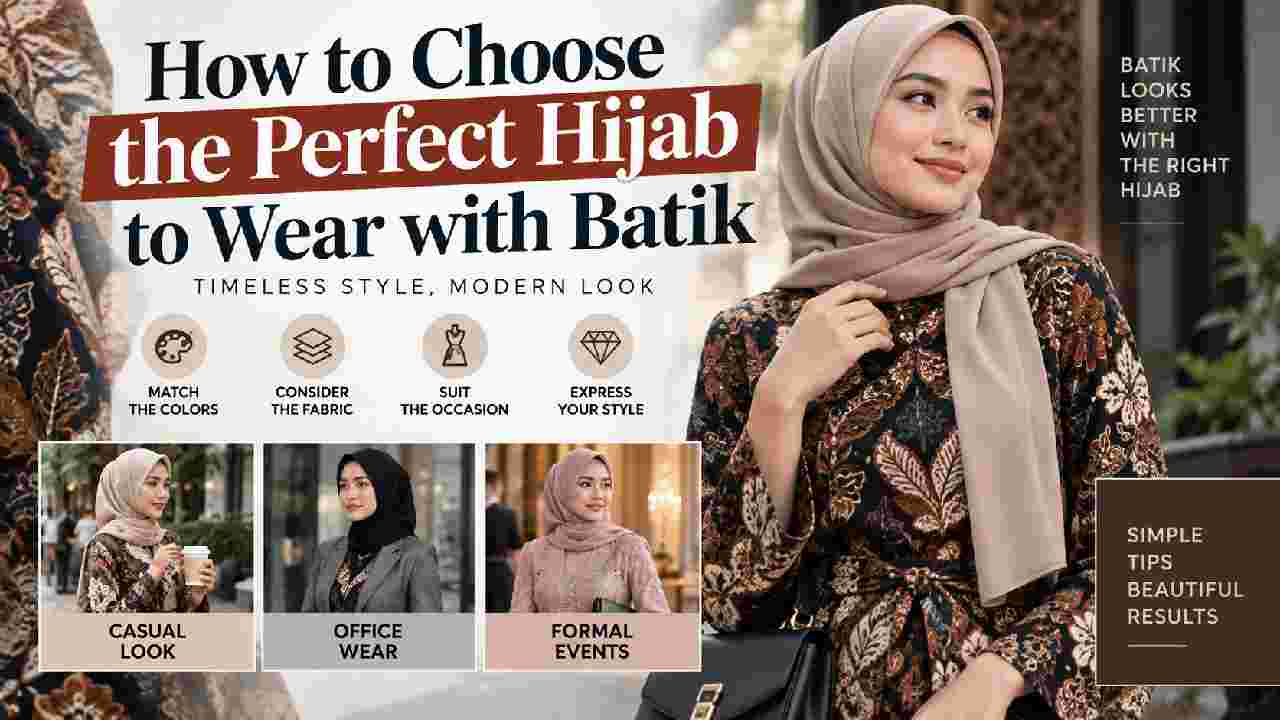
Ohana Magazine – Choosing hijab with batik is less about following strict fashion rules and more about creating visual balance. Batik carries a strong identity through intricate motifs, meaningful patterns, and distinctive color combinations. Therefore, the hijab should complement that character rather than compete with it. Start by looking closely at the dominant and secondary colors within your batik outfit. A solid-colored hijab that picks up one subtle shade from the pattern often creates an effortless connection between both pieces. Meanwhile, neutral shades such as cream, beige, black, taupe, or soft gray can calm an especially colorful motif. The occasion also matters. A relaxed afternoon calls for different fabrics and styling than an important office meeting or wedding reception. Ultimately, a successful pairing should feel comfortable and authentic. When colors, textures, and proportions work together, batik remains beautifully noticeable while the hijab completes the look naturally.
Keep Casual Batik Looks Comfortable and Effortless
Modern batik no longer belongs exclusively to ceremonies and formal occasions. Today, women can easily wear batik blouses, loose shirts, skirts, dresses, and outerwear for coffee dates, shopping trips, or casual gatherings. For these everyday moments, comfort should guide the choice of hijab. Cotton, jersey, and viscose are practical options because they generally feel lightweight and are relatively easy to style. Jersey offers softness and flexibility, while cotton can provide a clean appearance without feeling excessively formal. Color selection can also keep the outfit visually relaxed. When the batik features bright colors and elaborate motifs, consider a simple hijab in cream, white, beige, or another understated shade found within the fabric. Conversely, minimalist batik provides more freedom to experiment with richer colors. Rather than trying to make every element stand out, allow one piece to lead the outfit. This approach creates a casual look that feels thoughtful without appearing overstyled.
Read More : Stella Parton Shares Emotional
Create a Polished Hijab and Batik Combination for Work
Getting dressed for work often means finding the right balance between personal expression and professional polish. Batik naturally fits this setting because its cultural character can look sophisticated without losing warmth. However, the hijab can significantly influence how formal the entire outfit appears. Chiffon, crepe, and silk are useful options for office styling because each material creates a distinctive finish. Crepe provides structure, while chiffon feels lighter and softer. Silk, meanwhile, introduces a subtle sheen that can elevate a simple batik blouse or dress. When choosing colors, consider keeping the overall palette controlled. If your batik already contains multiple colors or detailed patterns, a plain hijab in one coordinating shade can prevent visual overload. A neatly arranged silhouette also works beautifully with tailored trousers, structured skirts, or blazers. Most importantly, choose a hijab that stays comfortable throughout meetings, commuting, and long working hours so confidence does not come at the expense of practicality.
Let the Batik Motif Guide Your Hijab Color
Color can transform an outfit even when every garment remains exactly the same. For that reason, studying the batik pattern before selecting a hijab is one of the simplest styling habits to develop. Instead of automatically matching the most dominant color, look for smaller shades hidden within the motif. Picking one of these secondary tones can produce a coordinated appearance without making the combination feel predictable. For instance, batik dominated by deep brown may contain touches of ivory, muted blue, or terracotta that work beautifully as hijab colors. Neutral tones remain helpful when the pattern is particularly intricate. However, contrast can also work when used deliberately. A restrained batik design may come alive beside a richer hijab shade. The goal is not necessarily to make every color identical. Instead, consider how the eye travels across the outfit. A balanced palette allows both the craftsmanship of batik and the hijab styling to receive attention without competing for it.
Read More :Katie Holmes Shares Sweet
Choose Elegant Fabrics When Wearing Batik to Formal Events
A wedding reception, cultural celebration, or formal dinner offers an opportunity to give batik a more elevated character. In these settings, fabric texture becomes particularly important because it can add dimension without requiring excessive accessories. Satin creates a smooth surface with a noticeable sheen, making it suitable for evening occasions. Chiffon offers a softer and more fluid appearance, while organza can introduce volume and a slightly dramatic structure. Nevertheless, elegance depends on restraint as much as decoration. If the batik dress already features elaborate motifs, embroidery, or statement details, a simpler hijab can create a more refined result. Likewise, highly decorative hijab styling may work better with understated batik. Coordinating colors rather than forcing an exact match can also make the outfit feel more sophisticated. Above all, formal dressing should still feel wearable. A beautiful hijab that constantly needs adjustment can become distracting, so secure styling and comfortable fabric remain essential throughout a long celebration.
Texture Matters Just as Much as Color
While color usually receives the most attention, texture can quietly determine whether a batik and hijab combination feels cohesive. Batik already provides visual richness through printed or hand-crafted patterns, so adding another highly detailed surface may sometimes make an outfit appear crowded. A smooth hijab can soften the effect of elaborate batik, while a lightly textured crepe can add depth to simpler designs. The same principle applies to accessories. When the clothing contains several decorative elements, minimal jewelry, a structured handbag, or understated shoes can maintain balance. Texture also affects comfort throughout the day. Lightweight materials may suit warm outdoor settings, whereas more structured fabrics can help maintain a polished shape during formal occasions. Before leaving home, consider viewing the complete outfit rather than judging each item separately. Sometimes a hijab looks beautiful on its own but feels too dominant beside batik. The strongest combinations allow different materials to support one another instead of fighting for attention.
Personal Style Should Remain at the Heart of Every Combination
Fashion advice can provide direction, but it should never erase personality. Some women feel most confident in muted hijabs and traditional batik, while others enjoy experimenting with contemporary silhouettes, brighter colors, and unexpected combinations. Both approaches can work beautifully when styling feels intentional. Batik itself has continued evolving, appearing in modern dresses, blouses, outerwear, and other versatile pieces. Hijab styling can evolve alongside it. Rather than treating every guideline as an absolute rule, use color theory, fabric selection, and occasion-based dressing as tools for discovering what feels right. Try combinations in natural light and observe how the colors interact. More importantly, consider whether you can move comfortably and confidently throughout the day. Clothing carries emotional meaning as well as visual appeal, particularly when cultural heritage becomes part of personal expression. When batik and hijab reflect both identity and individual taste, the resulting outfit feels authentic rather than simply fashionable.