Apple Nearly Lost the Macintosh Name: The Remarkable Letter Steve Jobs Sent to Save It
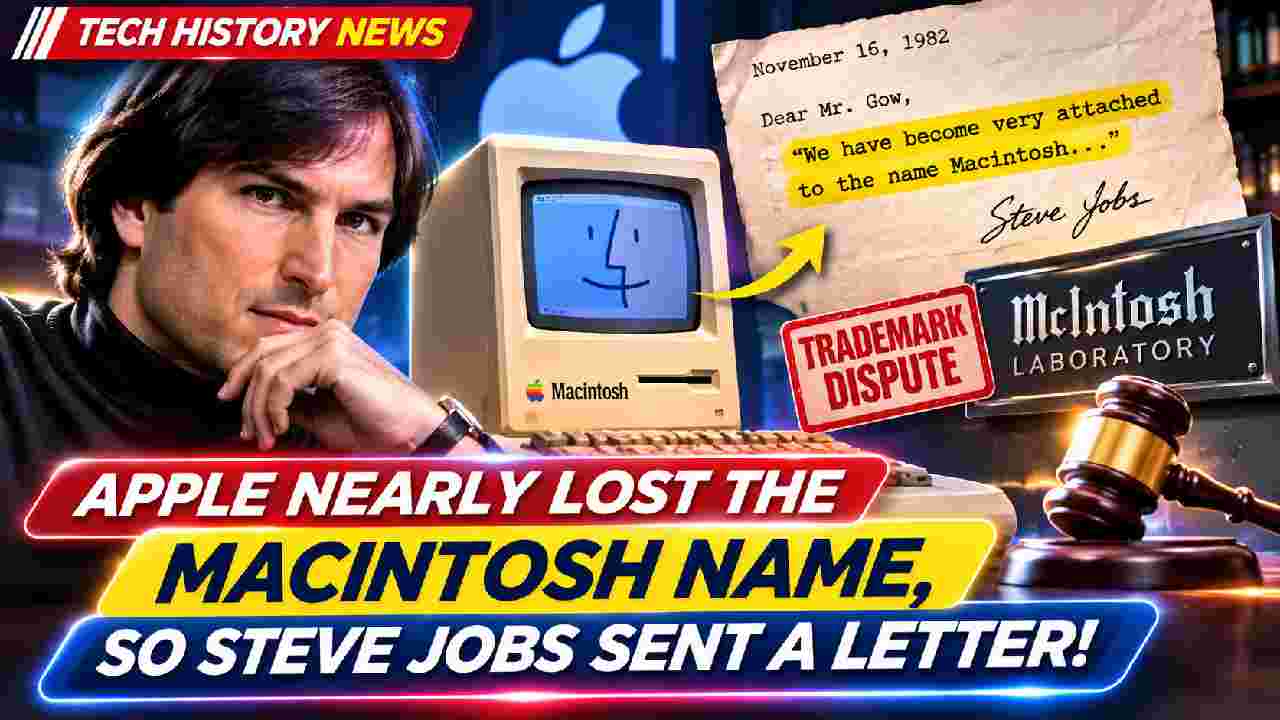
Ohana Magazine – On November 23, 2026, a fascinating chapter of Apple’s early history returned to public attention. Long before the Macintosh became one of the world’s most recognizable computer names, Apple faced an unexpected trademark dispute. The company had invested years of creativity into developing a personal computer that would eventually transform how people interacted with technology. However, its chosen name nearly became a legal obstacle. In 1982, Apple’s attempt to register Macintosh encountered resistance because of its similarity to McIntosh Laboratory, an American manufacturer of premium audio equipment. What seemed like a minor naming issue quickly became a serious concern for the young technology company. Steve Jobs believed the Macintosh identity carried something deeper than commercial value. Consequently, he took an unusually personal approach to protecting it. His efforts revealed how strongly Apple connected product development with storytelling, emotional attachment, and brand identity.
Why McIntosh Laboratory Became an Unexpected Obstacle for Apple
The trademark controversy began when Apple attempted to secure legal protection for the Macintosh name in 1982. Although the spelling differed, authorities considered Macintosh phonetically similar to McIntosh, a name already associated with high-fidelity audio equipment. McIntosh Laboratory had established its reputation long before Apple entered the personal computing market. Therefore, Apple’s proposed trademark created concerns about potential confusion between the two brands. The situation presented an uncomfortable challenge because Apple had already developed a strong attachment to its computer’s identity. Changing the name could have disrupted internal planning and weakened the product’s emerging personality. Moreover, the disagreement highlighted an important reality of commercial branding: creative intentions do not automatically guarantee trademark ownership. Even companies operating in different industries can encounter legal complications when their names sound alike. For Apple, resolving this issue became essential before introducing its ambitious computer to consumers.
Read More : LiberNT Emerges as an Open-Source Challenger to Windows 11
Steve Jobs Sent a Personal Letter to Protect the Macintosh Identity
Rather than immediately abandoning the name, Steve Jobs decided to contact McIntosh Laboratory directly. On November 16, 1982, he wrote to company president Gordon Gow, requesting permission to use Macintosh internationally for Apple’s computer products. The letter reflected Jobs’ unusually emotional relationship with the technology his team was developing. He explained that Apple had grown deeply attached to the name and believed the computer had developed a distinctive personality. His comparison between a developing product and a child illustrated how personally he approached innovation. Furthermore, the letter demonstrated his understanding that successful products require more than technical specifications. They also need identities that people can recognize and remember. Jobs hoped that a personal appeal might overcome the trademark disagreement. However, his request also placed an important business decision in another company’s hands. The future of Apple’s chosen name remained uncertain despite his determination.
Gordon Gow Visited Apple but Initially Rejected the Request
Steve Jobs’ letter eventually led Gordon Gow to visit Apple’s headquarters in Cupertino, California. During the visit, Gow had an opportunity to examine the computer that Apple was developing. The meeting represented a significant moment because both companies could discuss the issue beyond formal legal correspondence. Nevertheless, the personal interaction did not immediately produce the agreement Jobs wanted. Following advice from his legal counsel, Gow declined Apple’s request to use the Macintosh name. For the development team, this rejection created another challenge during an already demanding period. Apple needed to prepare its computer for the market while navigating questions about its commercial identity. Meanwhile, the dispute demonstrated how established companies often approach trademark protection cautiously. Gow’s decision reflected legal considerations rather than a simple disagreement over Apple’s technology. As a result, Apple began exploring alternative naming possibilities while continuing efforts to resolve the conflict.
Read More :Google Gemini 4 Neon Arrives With Faster Reasoning and Smarter AI Performance
Apple Considered the Shorter Mac Name as an Alternative
After encountering resistance, Apple reportedly considered replacing Macintosh with the shorter name Mac. The alternative appeared practical because it preserved part of the original identity while potentially avoiding complications surrounding the full trademark. Interestingly, the company also explored explanations for what Mac might represent. For external audiences, one proposed interpretation was Mouse-Activated Computer, emphasizing the computer’s distinctive mouse-based interaction. Internally, another playful interpretation described Mac as Meaningless Acronym Computer. These competing explanations reflected the creative and sometimes unconventional atmosphere surrounding Apple’s early development efforts. However, the proposed alternatives also revealed how difficult it can be to replace a name once a team has embraced it. Macintosh already carried emotional significance within the project. Moreover, a recognizable name could help communicate the computer’s personality to future buyers. Consequently, Apple’s preference remained clear: preserving Macintosh would offer greater continuity than introducing an entirely different identity.
The Trademark Agreement That Secured Apple’s Macintosh Future
Despite the initial rejection, Apple’s negotiations eventually produced a breakthrough. By late March 1983, the company had obtained a license allowing it to use the Macintosh name. This agreement removed a major obstacle and enabled Apple to continue preparing its computer under the identity its developers preferred. Three years later, in 1986, Apple formally purchased the Macintosh trademark rights. However, the financial terms of the arrangement were never officially disclosed. Reports suggested that Apple paid approximately $100,000 in cash, although a legal representative associated with McIntosh Laboratory disputed that figure. The representative indicated that the actual payment was substantially higher. Without publicly confirmed documentation, the precise amount remains uncertain. Nevertheless, the broader outcome was unmistakable. Apple secured a name that would become inseparable from its computing history. The resolution also illustrated how persistence, negotiation, and trademark agreements can protect a company’s long-term branding ambitions.
How Jef Raskin Turned a Favorite Apple Variety Into Computing History
The Macintosh name originated with Jef Raskin, an influential figure in the computer’s early development. Raskin drew inspiration from McIntosh, a variety of apple that he particularly enjoyed. However, his choice involved more than a simple reference to fruit. He wanted an approachable identity that would distinguish the project from conventional technology naming practices. According to historical accounts, Raskin also wanted to move away from using women’s names as project labels, which he considered inappropriate. The project had previously carried the code name Annie. To reduce potential trademark problems, Raskin deliberately changed the spelling from McIntosh to Macintosh. Unfortunately, that precaution did not completely prevent the later dispute. Still, his original idea ultimately survived. Today, the story offers a compelling reminder that influential technology brands often begin with remarkably personal choices, unexpected obstacles, and determined efforts to preserve their iden