Russia and China Condemn US Missile Plan
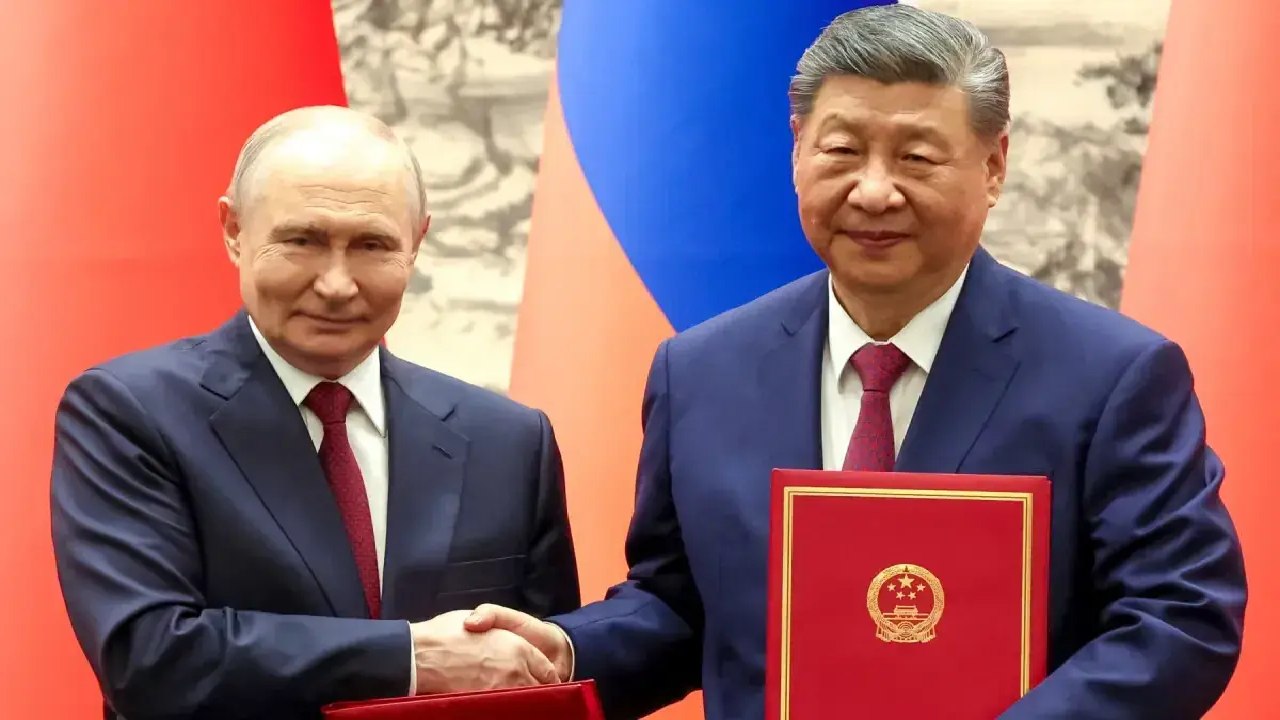
Ohana Magazine – Russia and China have strongly criticized the United States’ Golden Dome missile defense initiative, calling it a threat to global strategic stability. Leaders Vladimir Putin and Xi Jinping issued a joint statement during their meeting in Beijing on May 20, 2026. They argued that Washington’s approach is reckless and undermines efforts to maintain nuclear balance. The Golden Dome project aims to build a layered defense system capable of intercepting missiles at various flight stages. According to Moscow and Beijing, this ambitious expansion challenges the principles of strategic parity and may provoke an arms race. The joint condemnation highlights rising tensions over global missile defenses and reflects growing concern among major powers about the stability of nuclear deterrence.
Golden Dome and Strategic Stability
The Golden Dome system plans to integrate advanced ground-based interceptors, sensors, and command-control networks, along with orbital components to detect and potentially neutralize threats from space. Russia and China warned that the system’s capabilities to destroy all types of missiles at all stages of flight could destabilize the strategic balance. The statement emphasized that defensive systems should complement, not undermine, offensive capabilities, maintaining a linkage crucial for global stability. Analysts suggest that such projects risk prompting countermeasures from other nuclear powers, potentially escalating military tensions in Asia, Europe, and beyond.
Read More : The World is on Alert: Congo’s Ebola Outbreak Officially
US Responsibility in Nuclear Agreements
China and Russia criticized the United States for acting irresponsibly regarding nuclear treaties. They specifically mentioned the New START (New Strategic Arms Reduction Treaty), signed in 2010 and reaffirmed in 2026, which regulates strategic nuclear arsenals between the US and Russia. Both countries accused Washington of neglecting its duties under the agreement while pursuing Golden Dome. They argued that bypassing treaty frameworks undermines trust and heightens the risk of strategic miscalculations. The criticism reflects concerns that the US may prioritize unilateral defense initiatives over collaborative arms control measures, destabilizing decades of nuclear governance.
Critics Warn of Preemptive Threats
Observers have noted that Golden Dome, combined with emerging missile technologies, could allow the United States to consider preemptive strikes. Moscow and Beijing voiced concerns about land-based medium- and short-range missiles capable of threatening neighboring countries. They argued that plans for so-called “preventive attacks” erode trust and increase global insecurity. Such scenarios heighten tensions, particularly when combined with rapid nuclear modernization programs across multiple countries. The statement underlines that any imbalance in missile defense could lead to unpredictable reactions and increased risk of escalation.
Read More :Hollywood Shocked as Spencer Pratt Enters the
Military Demonstrations in Russia
In response to US defense policies, Russia conducted large-scale nuclear drills on May 20, 2026. The exercises included deploying warheads on mobile Iskander-M launchers across Russia and Belarus. These maneuvers were intended to signal Moscow’s readiness and reinforce deterrence, while demonstrating operational capability to protect strategic assets. By highlighting these exercises, Russia seeks to project strength and reassure allies amid concerns over the Golden Dome initiative. Experts suggest that such demonstrations may serve both defensive and political purposes, influencing the broader dialogue on strategic stability.
Implications for Global Security
The joint condemnation by Russia and China raises questions about the future of arms control and global security. Analysts warn that unilateral defense projects like Golden Dome could trigger competitive military responses. This tension complicates ongoing efforts to negotiate multilateral agreements and may challenge the existing framework of nuclear deterrence. Policymakers and defense experts are now closely monitoring the reactions of other major powers, emphasizing diplomacy and strategic restraint to avoid escalation. The situation underscores the delicate balance between advancing defense technology and maintaining international stability.
Next Steps in Diplomacy
The international community awaits how the United States will respond to these criticisms. Diplomatic channels, including potential multilateral talks on missile defense and arms control, may become increasingly important. Observers suggest that constructive engagement is necessary to prevent misunderstandings and avoid destabilizing the strategic environment. While Golden Dome represents technological progress for US defense, balancing innovation with cooperation is crucial. The statements from Moscow and Beijing emphasize that global security depends on measured policies, transparency, and dialogue among nuclear-armed nations.