US Allies Reject the War, Yet Feel the Fallout of Trump’s Global Gamble
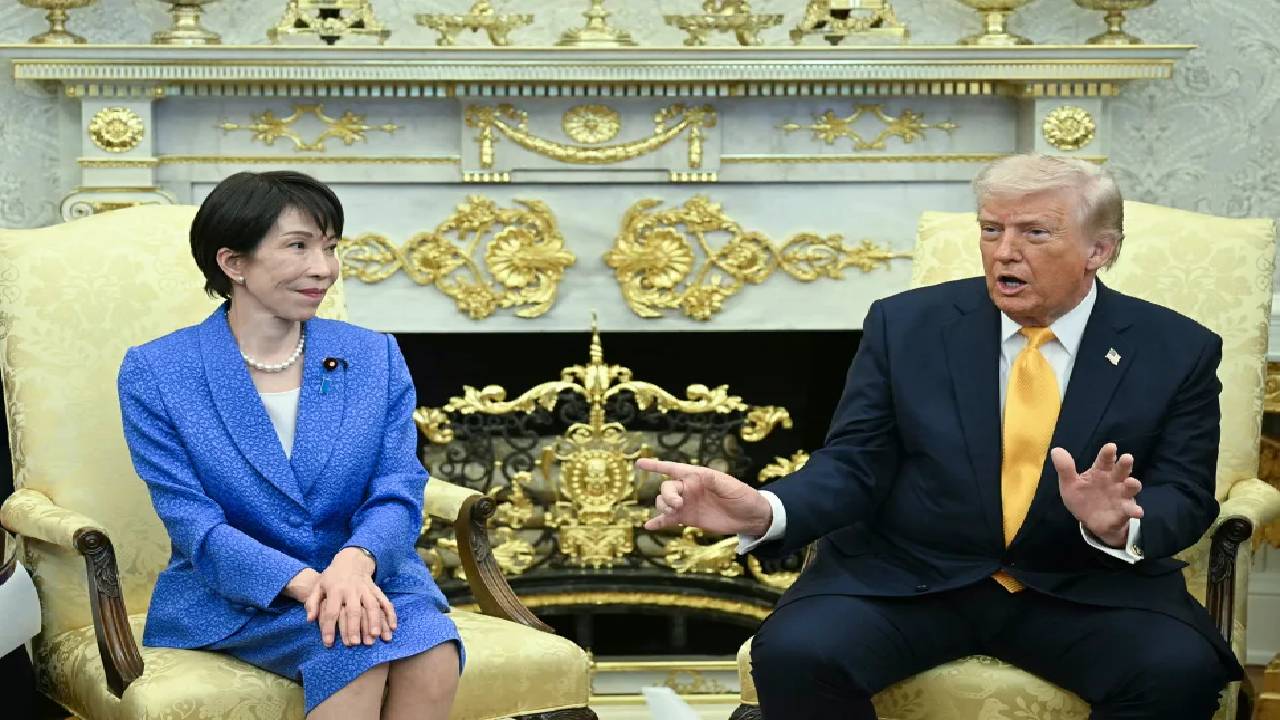
Ohana Magazine – US allies Trump war fallout has become a growing concern across global capitals, even among nations that firmly rejected joining the conflict. While leaders distanced themselves from the military escalation involving Donald Trump, they now face consequences that ripple through their economies and political systems. This situation creates a paradox: countries that avoided direct involvement still suffer indirect damage. Rising energy prices, unstable markets, and public dissatisfaction have turned the war into a shared burden. As a result, leaders must navigate a complex landscape where neutrality offers no protection. Therefore, the fallout becomes not only an economic challenge but also a test of political resilience in an increasingly interconnected world.
Political Tensions Rise Between the US and Its Allies
The US allies Trump war fallout has significantly altered diplomatic dynamics between Washington and its traditional partners. Leaders who once sought to maintain close ties now express frustration more openly. For instance, Giorgia Meloni criticized remarks linked to Trump’s rhetoric, signaling a shift in tone. Meanwhile, Keir Starmer voiced concerns about rising energy costs affecting British citizens. These reactions highlight a growing willingness to challenge US leadership. Moreover, domestic pressure forces these leaders to prioritize national interests over diplomatic loyalty. Consequently, alliances that once appeared stable now face new strains, reshaping the balance of global cooperation.
Read More : Meghan Markle & Prince Harry Visit Children’s Hospit
Economic Pressure Hits Nations That Depend on Energy Imports
Energy dependency has amplified the impact of the US allies Trump war fallout, particularly for countries relying on Middle Eastern resources. Nations such as the United Kingdom and Japan now face higher import costs as shipping routes become more expensive and unstable. These rising costs translate directly into higher consumer prices, creating financial strain for households. Additionally, businesses struggle to maintain stability amid fluctuating energy supplies. This economic pressure affects not only national budgets but also long-term growth prospects. Therefore, even countries far from the conflict zone feel its economic shockwaves. In this context, energy security becomes a central issue shaping policy decisions and public sentiment.
IMF Warning Signals Global Economic Slowdown
The International Monetary Fund has issued a warning that underscores the seriousness of the US allies Trump war fallout. According to its projections, global economic growth could decline to 2.5 percent, a sharp drop from the previous year. This forecast reflects the widespread uncertainty created by geopolitical tensions. For many nations, slower growth threatens job stability and investment opportunities. Moreover, governments must balance fiscal policies carefully to avoid deeper economic disruptions. The IMF’s warning serves as a reminder that conflicts in one region can affect the entire global economy. As a result, policymakers must respond with strategies that address both immediate challenges and long-term stability.
Read More : Two US House Members Resign Amid Sex Scandal
Leaders Face Domestic Pressure from Voters
The US allies Trump war fallout also places intense pressure on political leaders from within their own countries. Citizens who oppose the war demand accountability for rising living costs and economic instability. Leaders must explain why their nations suffer despite staying out of the conflict. This situation creates a difficult balancing act between maintaining international relations and satisfying domestic expectations. In many cases, public frustration translates into declining political support. Therefore, leaders must act quickly to manage both perception and reality. By addressing economic concerns and communicating transparently, they hope to maintain trust. However, the path forward remains uncertain as external factors continue to influence internal stability.
Japan and Europe Struggle with Rising Costs
Countries like Japan and several European nations face unique challenges as part of the US allies Trump war fallout. Higher shipping costs and disrupted supply chains push prices upward, affecting everyday life. In Japan, wage growth struggles to keep pace with inflation, creating economic tension. Meanwhile, European nations grapple with balancing energy imports and domestic policies. These challenges highlight the interconnected nature of global economies. Even small disruptions can have cascading effects across multiple sectors. Therefore, governments must adopt adaptive strategies to mitigate these impacts. By diversifying energy sources and strengthening economic resilience, they aim to reduce vulnerability in the future.
A New Era of Global Uncertainty Emerges
The US allies Trump war fallout marks the beginning of a new era defined by uncertainty and shifting alliances. Traditional partnerships no longer guarantee stability, and nations must rethink their strategies. Leaders increasingly prioritize self-reliance while maintaining cautious cooperation. This shift reflects a broader transformation in global politics, where power dynamics continue to evolve. As countries adapt to these changes, new patterns of collaboration may emerge. However, the immediate challenge remains managing the fallout of decisions made beyond their control. In this landscape, resilience and adaptability become essential qualities for both governments and societies navigating an unpredictable future.