ASEAN Digital Economy Expands as Cross-Border Payment Infrastructure Strengthens Regional Connectivity
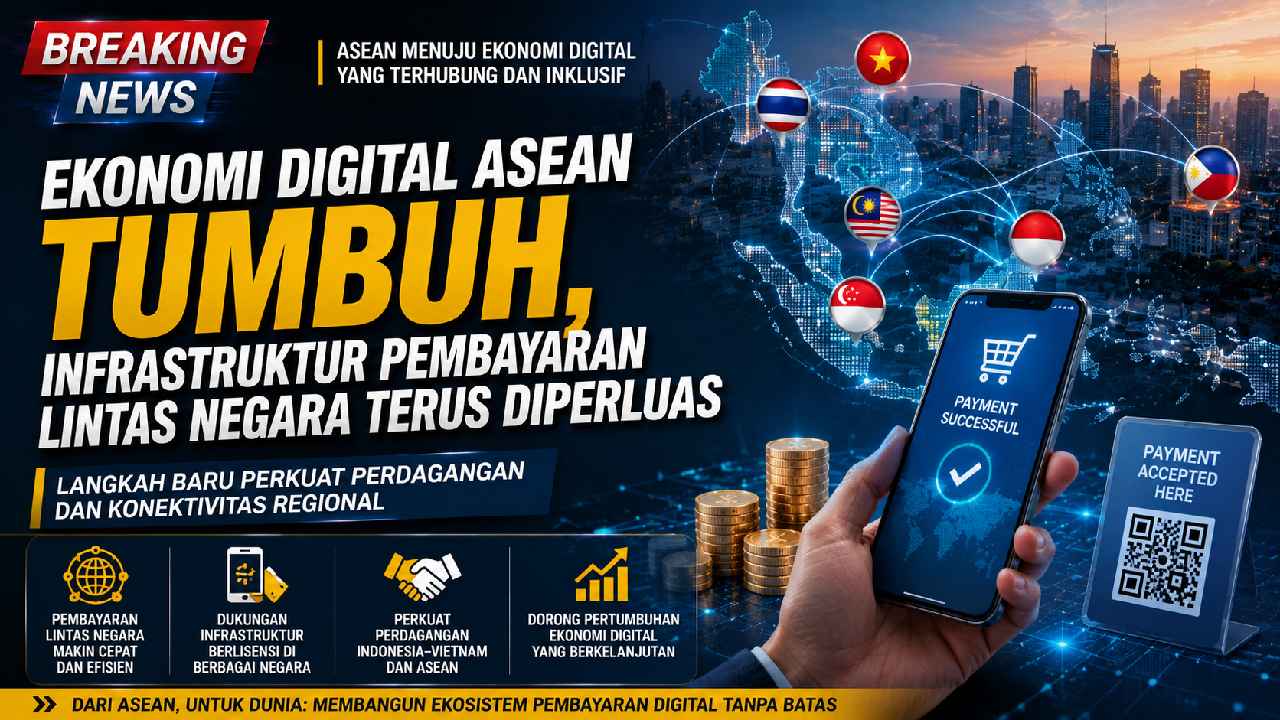
Ohana Magazine – ASEAN Cross Border Payments are becoming a cornerstone of Southeast Asia’s rapidly evolving digital economy. As businesses expand beyond domestic markets, seamless payment infrastructure has become essential for supporting trade, investment, and financial inclusion across the region. The latest development comes as Singapore-based fintech company M-DAQ Global extends its licensed payment network into Vietnam through a strategic integration with METech. This move reflects a broader effort to simplify international transactions while reducing operational barriers for companies operating across ASEAN. Moreover, stronger payment connectivity encourages businesses of all sizes to participate in regional commerce with greater confidence. As digital transactions continue to replace traditional payment methods, ASEAN is steadily building an ecosystem where financial services are faster, more efficient, and increasingly connected across national borders.
Vietnam Becomes a Strategic Hub for Regional Payment Expansion
Vietnam continues to strengthen its position as one of Southeast Asia’s fastest-growing digital economies. Therefore, expanding licensed payment infrastructure into the country represents an important milestone for regional fintech development. Through its partnership with METech, M-DAQ Global now gains direct access to local payment capabilities using the Vietnamese dong (VND). As a result, businesses can receive and process local payments more efficiently without relying heavily on third-party intermediaries. In addition, this integration improves transaction speed while reducing unnecessary operational costs. These advantages are particularly valuable for companies involved in cross-border trade between Indonesia and Vietnam. Consequently, Vietnam is emerging as a key gateway for financial innovation while supporting stronger commercial relationships across the ASEAN region.
Read More : Superyacht Allegedly Linked to Putin
Faster Payment Infrastructure Supports Regional Trade Growth
Efficient payment systems play a vital role in modern international commerce. Businesses increasingly expect financial transactions to be completed quickly, securely, and with minimal friction. Therefore, strengthening cross-border payment infrastructure directly contributes to smoother trade activities throughout Southeast Asia. By integrating local payment channels with regional financial networks, companies can reduce settlement times and improve cash flow management. Furthermore, direct currency processing helps minimize foreign exchange complexities that often slow international transactions. These improvements create better opportunities for exporters, importers, and digital merchants alike. As ASEAN economies become more interconnected, reliable payment infrastructure is no longer simply a convenience. Instead, it has become an essential foundation for supporting long-term regional economic growth and increasing competitiveness in global markets.
Building an Integrated ASEAN Payments Hub
One of the most ambitious goals behind this expansion is the development of an ASEAN Payments Hub. This regional network aims to combine payment acceptance, foreign exchange services, and cross-border settlement into a unified financial ecosystem. Consequently, businesses operating in multiple ASEAN countries will enjoy greater efficiency when managing regional transactions. In addition, reducing dependence on fragmented payment providers allows companies to simplify financial operations while improving customer experiences. The growing network already includes payment infrastructure in Singapore, Malaysia, Indonesia, and now Vietnam. As more markets join the initiative, ASEAN moves closer to establishing a truly integrated digital financial landscape. Such collaboration demonstrates how technology can strengthen regional economic cooperation while supporting businesses of every size.
Read More :Eight Monks Killed in Thailand Crash, Truc
Indonesia and Vietnam Strengthen Their Economic Partnership
The expansion into Vietnam also highlights the increasing importance of the Indonesia–Vietnam trade corridor. Economic cooperation between both countries continues to grow alongside rising digital commerce and investment opportunities. Moreover, Indonesia remains Southeast Asia’s largest digital payment market, supported by one of the region’s fastest-growing digital ecosystems. Businesses from both nations are expected to benefit from improved financial connectivity that simplifies international transactions. In addition, easier payment processing encourages small and medium-sized enterprises to participate in cross-border commerce without facing complicated financial barriers. As bilateral trade expands, stronger payment infrastructure will help unlock new business opportunities while supporting sustainable economic development throughout both countries.
Digital Payment Innovation Creates New Opportunities
The rapid evolution of financial technology continues to reshape how businesses and consumers interact across Southeast Asia. Companies are investing heavily in payment innovation to meet increasing demand for secure, convenient, and instant digital transactions. Therefore, expanding regulated financial infrastructure becomes increasingly important for supporting this transformation. Improved payment connectivity also enhances transparency while reducing transaction risks for businesses operating internationally. Furthermore, consumers benefit from smoother purchasing experiences when making payments across different ASEAN markets. As technology continues advancing, payment providers are expected to introduce even more intelligent financial solutions that improve efficiency. These innovations will strengthen the digital economy while helping ASEAN maintain its momentum as one of the world’s fastest-growing technology regions.
Strong Financial Connectivity Shapes ASEAN’s Digital Future
Cross-border payment infrastructure is becoming one of the most valuable assets supporting ASEAN’s long-term economic ambitions. Beyond facilitating transactions, integrated financial networks encourage innovation, strengthen regional partnerships, and create new opportunities for businesses entering international markets. Moreover, improved payment systems help establish greater trust among investors, merchants, and consumers throughout Southeast Asia. As governments and fintech companies continue collaborating, regional financial integration is expected to accelerate even further. This momentum positions ASEAN as an increasingly attractive destination for digital investment and international trade. With stronger payment connectivity, the region is well prepared to support future economic expansion while creating a more inclusive and efficient digital marketplace for millions of businesses and consumers.