5 Android Phones That Look Like iPhone 17 Pro Max, Starting at Just $100
Ohana Magazine – Android Phones Like iPhone remain one of the biggest smartphone trends in 2026. Premium-looking devices are no longer limited to expensive flagship models because many budget-friendly brands now offer similar aesthetics at a fraction of the price. As a result, consumers can enjoy a sophisticated design without stretching their budgets. Most of these smartphones borrow visual elements such as large rectangular camera modules, rounded corners, flat frames, and elegant color options inspired by Apple’s latest flagship lineup. Moreover, manufacturers are combining these premium looks with practical features that appeal to everyday users. This growing trend reflects how smartphone brands understand that many buyers care as much about appearance as performance. Consequently, affordable Android phones now deliver a stylish experience that was once reserved for premium devices.
Itel A200 Brings Premium Style at an Entry-Level Price
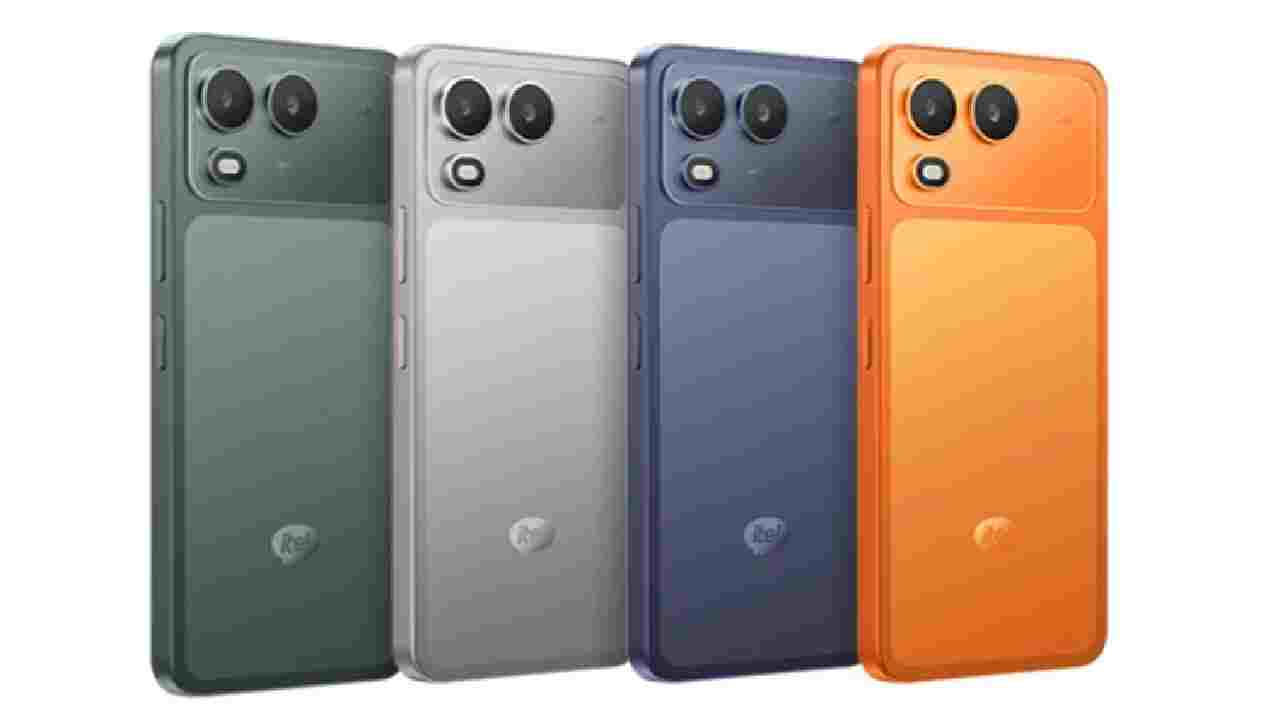
Among the latest releases, the Itel A200 stands out as one of the most affordable smartphones with an iPhone-inspired design. At first glance, its oversized rear camera module and triple-camera layout closely resemble the latest flagship models from Apple. The Comet Orange color option further strengthens that resemblance, giving the device a modern and premium appearance. In addition, the phone offers impressive specifications for its price segment. Users receive a 6.75-inch display with a smooth 120Hz refresh rate, a Unisoc T7250 processor, a 13MP main camera, and a reliable 5,000mAh battery. Starting at roughly $100, the Itel A200 proves that stylish design no longer requires a premium budget. Therefore, it has become an attractive option for first-time smartphone buyers and budget-conscious consumers.
Read More : IBM Unveils the World’s First 0.7 nm Chip, Opening a New Era of AI Performance and Energy Efficiency
Itel A100 Pro Offers Familiar Looks with Smart Features
Another affordable option is the Itel A100 Pro, which also embraces the premium visual language inspired by the iPhone 17 Pro Max. Similarly, the phone features a large rectangular camera island with three circular camera elements that immediately catch the eye. Beyond its exterior, Itel includes a feature called Dynamic Bar, which displays notifications around the front camera in a way that resembles Apple’s Dynamic Island. Furthermore, the smartphone includes a 6.6-inch display with a 90Hz refresh rate, a Unisoc T7100 chipset, 3GB of RAM, and a 5,000mAh battery. These specifications are suitable for everyday tasks such as messaging, social media, and video streaming. As a result, the Itel A100 Pro delivers both style and functionality without exceeding an affordable price point.
Premium Design Is No Longer Exclusive to Flagship Phones
Not long ago, smartphones with elegant finishes and premium materials were available only in high-end categories. Today, that situation has changed dramatically. Many manufacturers now introduce affordable devices featuring flat frames, polished finishes, and sophisticated camera layouts that resemble premium flagship models. In addition, modern production techniques have made these designs more accessible across different price ranges. Consumers no longer need to spend hundreds or even thousands of dollars to enjoy a stylish smartphone. Instead, they can choose from several budget-friendly alternatives that provide an equally attractive appearance. This shift has created stronger competition among Android brands, encouraging continuous innovation while making premium-inspired smartphones available to a much wider audience worldwide.
Read More :Google Finance Returns with AI-Powered Stock Analysis and Smarter Investment Research Tools
Design Is Becoming a Major Buying Factor
While performance remains important, smartphone buyers increasingly consider design before making a purchase. For many users, the appearance of a device reflects personal style and daily lifestyle. A phone that looks premium often creates greater confidence, even if it belongs to the budget category. Besides that, social media has amplified this trend because attractive devices frequently appear in photos, videos, and online reviews. Manufacturers understand this behavior and continue developing products with elegant aesthetics inspired by successful flagship designs. Consequently, affordable Android phones now focus on balancing attractive visuals with dependable performance. This combination helps brands reach younger consumers who want fashionable devices without sacrificing practicality or exceeding their financial limits.
Affordable Smartphones Continue to Improve Every Year
Budget smartphones have evolved significantly over the past few years. Previously, affordable devices often compromised display quality, battery life, and overall design. However, manufacturers now deliver much better value by offering higher refresh rate displays, larger batteries, improved processors, and modern software experiences. Features once considered exclusive to flagship models are gradually becoming standard across entry-level devices. As technology continues to advance, consumers benefit from increased competition among smartphone brands. Better hardware, longer software support, and refined designs are becoming more common even in lower price segments. Therefore, buyers can confidently choose affordable smartphones without feeling they are settling for outdated technology.
Choosing the Right Android Phone Depends on Your Priorities
The growing selection of Android phones with premium-inspired designs gives consumers more freedom than ever before. Whether someone prioritizes appearance, battery life, display quality, or overall value, there is now an affordable smartphone that matches those needs. Itel’s latest devices demonstrate how manufacturers continue narrowing the gap between budget and flagship experiences. Meanwhile, other Android brands are expected to introduce similar models as consumer demand for premium-looking devices continues to rise. Before making a purchase, buyers should compare specifications, software support, camera performance, and long-term reliability instead of focusing solely on appearance. Ultimately, the best smartphone is one that balances stylish design with practical features while remaining within the user’s budget.