Apple’s Biggest Product Wave Yet? 20 Gadgets Rumored for 2026–2027 Including the iPhone Ultra
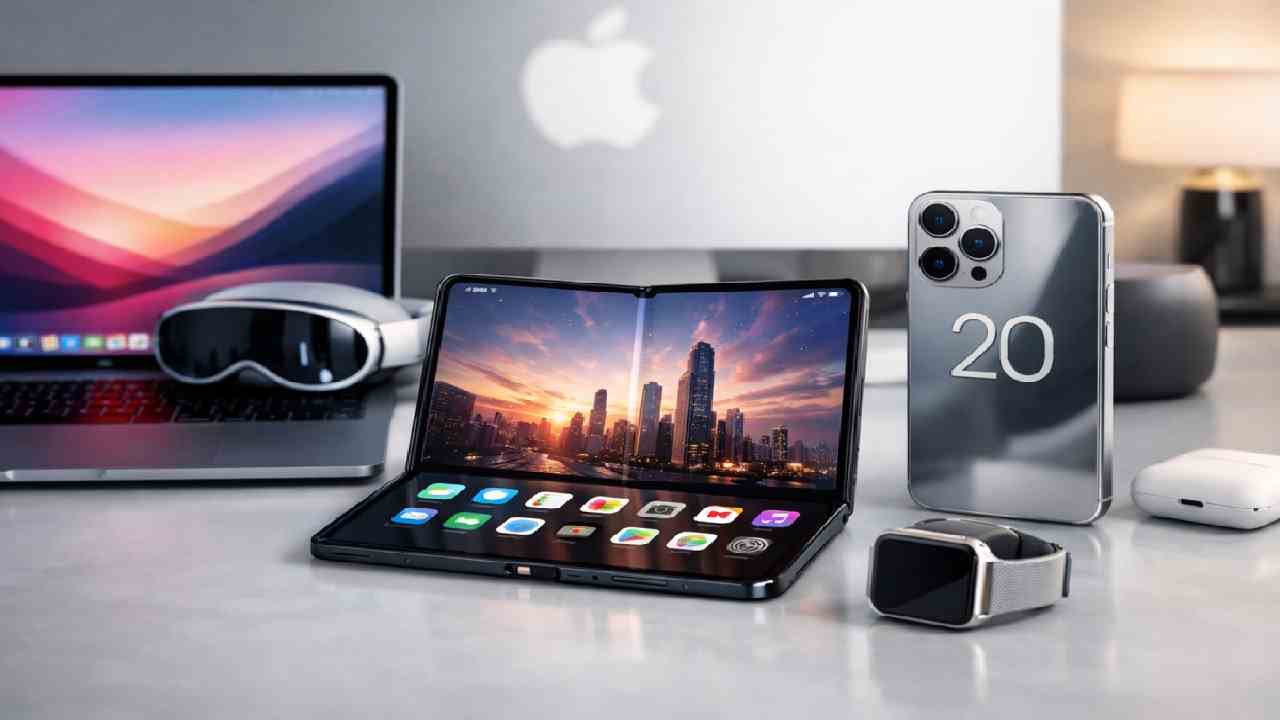
Ohana Magazine – Apple appears ready to enter one of its busiest product cycles in years. Recent reports suggest the company plans to introduce around 20 new devices between 2026 and 2027. The lineup reportedly includes smartphones, laptops, wearables, smart home products, and entirely new device categories. Naturally, this news has created excitement among Apple fans worldwide. More importantly, the strategy highlights Apple’s growing focus on artificial intelligence and ecosystem integration. While the company has not confirmed these products, industry analysts believe Apple wants to strengthen its position in a rapidly changing tech market. Competitors continue to invest heavily in AI and next-generation hardware. Therefore, Apple seems determined to answer with a broader portfolio. If these rumors prove accurate, the coming years could become a major turning point for both the company and its users.
iPhone Ultra Could Redefine the Foldable Smartphone Market
Among all the rumored devices, the iPhone Ultra attracts the most attention. Many analysts believe this model will become Apple’s first foldable smartphone. Unlike several foldable phones already available, Apple may choose a wider display format. As a result, the device could resemble a compact tablet when fully opened. This design would give users more space for productivity, entertainment, and multitasking. At the same time, it could preserve the portability people expect from an iPhone. Apple rarely rushes into new product categories. Instead, the company usually refines existing concepts before launching its own version. Because of that approach, expectations remain extremely high. If Apple successfully delivers a polished foldable experience, the iPhone Ultra could become one of the company’s most influential products in recent years.
Read More : Is This the Beginning of the End for ChatGPT’s Dominance? The AI Race Is Becoming More Competitive
The iPhone 18 Pro Line Continues Apple’s Core Strategy
Although the iPhone Ultra dominates headlines, Apple’s traditional flagship models remain essential. Reports indicate that Apple will introduce the iPhone 18 Pro and iPhone 18 Pro Max in late 2026. These devices may feature faster processors, better cameras, and stronger battery efficiency. In addition, Apple could integrate more advanced AI capabilities into everyday tasks. Users may receive smarter recommendations, improved voice assistance, and more personalized experiences. Future models, including the rumored iPhone Air 2 and iPhone 20 series, may continue this direction. Apple increasingly focuses on software intelligence rather than hardware specifications alone. Consequently, future iPhones may feel more helpful and intuitive in daily life. This strategy could strengthen customer loyalty while attracting new users who want a smarter mobile experience.
Apple Watch and AirPods Are Becoming Smarter Than Ever
Wearables remain a key part of Apple’s ecosystem. Therefore, the rumored Apple Watch Series 12 and Apple Watch Ultra 4 are generating significant interest. Industry observers expect better health tracking, improved battery life, and more accurate sensors. These upgrades could help users monitor their wellness more effectively. Meanwhile, Apple may introduce AirPods Ultra as its most advanced wireless earbuds yet. Reports suggest stronger noise cancellation and smarter voice interaction features. Furthermore, deeper AI integration may improve personalization across devices. These products already play an important role in daily routines. People use them during workouts, work meetings, travel, and entertainment sessions. As Apple continues refining its wearable lineup, users may enjoy a more connected and convenient experience throughout the day.
Read More :5 Jumbo-Screen TVs for Watching the 2026 World Cup, Starting from Just $450
MacBook Ultra May Finally Embrace Touchscreen Technology
For many years, Apple avoided touchscreen laptops. However, recent reports suggest the MacBook Ultra could change that philosophy. If true, the device would become the company’s first touchscreen MacBook. Such a move could appeal to students, professionals, and creative users alike. Many consumers already enjoy touch interaction on tablets and smartphones. Therefore, they often expect similar functionality on laptops. Apple may combine touchscreen support with the power of future M-series chips. This combination could create a more versatile computing experience. In addition, advanced AI features may improve productivity and creative workflows. Apple has traditionally taken a cautious approach to major hardware changes. Nevertheless, the MacBook Ultra could signal a new direction for the company’s laptop lineup.
Apple Glasses Could Bring Augmented Reality to Everyday Life
Another exciting rumor involves Apple Glasses. For years, technology enthusiasts have anticipated Apple’s entry into the smart eyewear market. Now, reports suggest the project is moving closer to launch. Apple Glasses may feature integrated cameras, lightweight frames, and augmented reality capabilities. These features could help users interact with digital information more naturally. Instead of checking a smartphone, users might receive directions, notifications, or updates directly through the glasses. Apple reportedly wants to focus on comfort and daily usability. That strategy could make the product more appealing to mainstream consumers. Although challenges remain, many experts believe Apple has the resources to accelerate adoption of wearable AR technology. Consequently, Apple Glasses could become one of the company’s most innovative products.
A Smarter Siri May Connect the Entire Apple Ecosystem
Artificial intelligence appears to sit at the center of Apple’s future plans. According to industry reports, Apple is developing a much smarter version of Siri. This assistant may work seamlessly across iPhones, Macs, Apple Watches, AirPods, and smart home devices. As a result, users could experience a more unified digital environment. Instead of managing separate gadgets, they may interact with a connected ecosystem that understands context and preferences. Upcoming products such as Home Hub, Apple TV, HomePod, and future iPads may benefit from these improvements. Furthermore, smarter automation could simplify many everyday tasks. Apple’s long-term vision seems clear. The company wants to create experiences that feel natural, intelligent, and deeply connected. If successful, this strategy could define the next chapter of Apple innovation.