Girls Are Becoming Obsessed with Skincare, Experts Warn of the Rising Cosmeticorexia Phenomenon
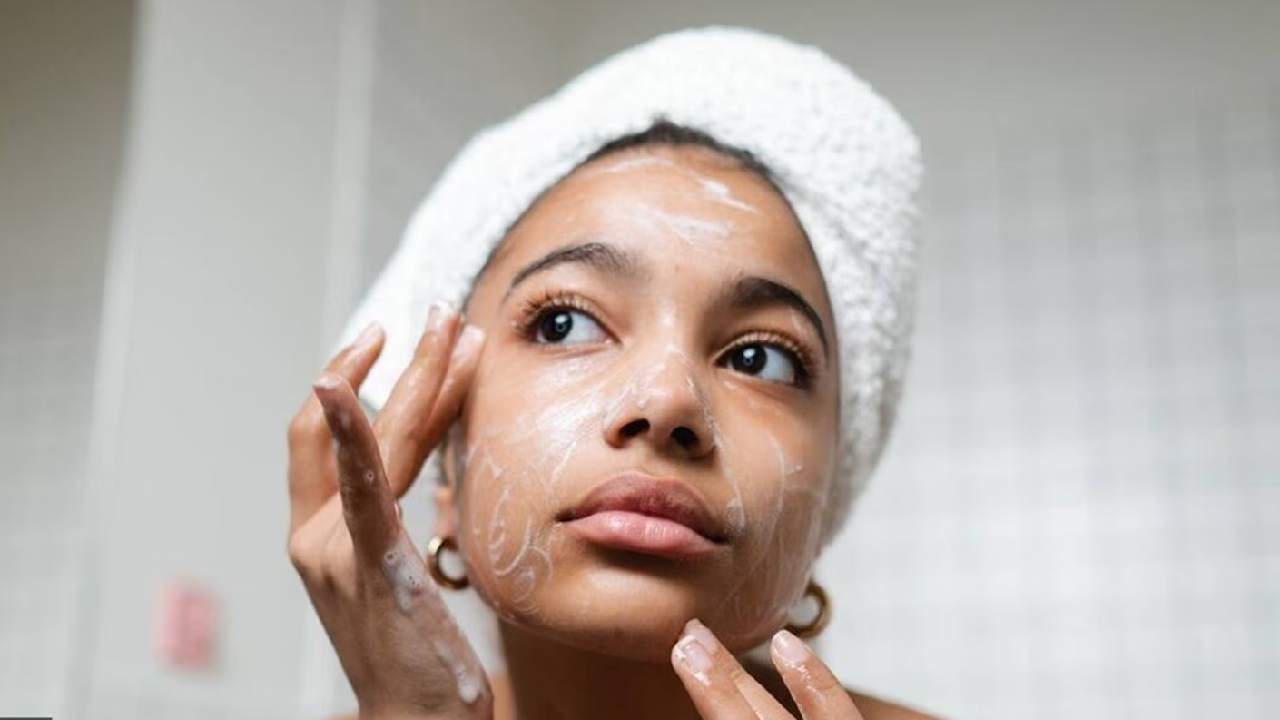
Ohana Magazine – Not long ago, skincare routines were mostly associated with adults who wanted to maintain healthy skin or slow visible signs of aging. However, that reality is changing rapidly. Today, more young girls are adopting elaborate skincare routines that include serums, toners, essences, and even anti-aging products. In addition, social media platforms constantly expose children to beauty trends and skincare recommendations. As a result, many girls begin to believe that flawless skin is something they must achieve at a very young age. This growing trend has caught the attention of dermatologists and mental health professionals around the world. Furthermore, experts are increasingly concerned about how beauty standards are shaping children’s self-image. Because of this, conversations about healthy skincare habits and realistic expectations have become more important than ever before.
Understanding the Meaning of Cosmeticorexia
The term cosmeticorexia has emerged as experts attempt to describe an unhealthy obsession with skincare and cosmetic products. According to dermatologists, the condition goes beyond simply enjoying beauty routines. Instead, it involves excessive concern about appearance and a strong dependence on skincare products to feel confident. Moreover, children affected by cosmeticorexia often spend significant amounts of time researching products, watching skincare content, and following lengthy beauty routines. In some cases, they feel anxious or uncomfortable when they cannot use their favorite products. Consequently, specialists view cosmeticorexia as a growing concern rather than a harmless trend. While skincare can be beneficial when used appropriately, an unhealthy fixation may create emotional challenges. Therefore, experts stress the importance of teaching children balanced attitudes toward beauty and self-care from an early age.
Read More : Julia Garner and Sabrina Carpenter Team Up for
Social Media Plays a Powerful Role
One of the biggest drivers behind the rise of cosmeticorexia is social media. Every day, young users encounter countless videos featuring skincare routines, product reviews, and beauty transformations. In addition, many influencers promote extensive routines that can appear exciting and desirable to impressionable audiences. As children repeatedly consume this content, they may begin to view complex skincare regimens as normal or even necessary. Furthermore, algorithms often recommend similar videos, creating a cycle of continuous exposure. Because of this, beauty-related content becomes a regular part of a child’s online experience. Experts argue that this constant influence can shape unrealistic expectations about appearance and skin perfection. Therefore, parents and educators are encouraged to discuss social media critically with children and help them understand that online content often presents an idealized version of reality.
The Impact on Mental and Emotional Well-Being
Although skincare is often discussed in terms of physical appearance, experts emphasize that cosmeticorexia can also affect mental health. When children become overly focused on achieving perfect skin, their self-worth may become tied to their appearance. As a result, they can experience feelings of insecurity, anxiety, or disappointment when their skin does not meet unrealistic standards. Moreover, some children may avoid social situations without makeup or skincare products because they feel less confident. Over time, this behavior can contribute to lower self-esteem and increased emotional stress. Because childhood is a critical stage of personal development, these patterns can have lasting effects. Therefore, psychologists encourage parents to promote confidence based on character, abilities, and achievements rather than appearance alone. This balanced approach can help children develop a healthier relationship with beauty and self-image.
Read More :Blake Lively and Justin Baldoni’s Legal Drama Isn’t
Too Many Products Can Harm Young Skin
Many people assume that skincare products are always beneficial. However, dermatologists warn that excessive use of skincare products can actually damage young skin. Children’s skin is generally healthy and does not require many of the powerful ingredients found in products designed for adults. In addition, frequent use of active ingredients may cause irritation, redness, dryness, or sensitivity. Some children may even develop skin conditions after experimenting with multiple products at the same time. Because of these risks, experts recommend simple skincare routines that focus on cleansing, moisturizing, and sun protection when appropriate. Furthermore, they emphasize that healthy skin does not require complicated routines involving numerous products. By keeping skincare simple and age-appropriate, parents can help protect their children from unnecessary skin problems while encouraging healthy habits that will benefit them in the future.
Beauty Brands Are Reaching Younger Audiences
Another factor contributing to the rise of cosmeticorexia is the increasing focus of beauty brands on younger consumers. Many companies now create colorful packaging, youthful marketing campaigns, and partnerships with young influencers. As a result, skincare products often appear attractive and relatable to children. In addition, digital advertising allows brands to reach audiences more effectively than ever before. Consequently, many young girls become interested in skincare long before they truly need these products. Researchers note that this shift reflects a broader change in the beauty industry. Rather than targeting only adults, companies are increasingly engaging younger demographics. Therefore, experts believe media literacy is becoming an essential skill for children. By understanding how marketing works, young consumers can make more informed decisions and avoid unnecessary pressure to purchase products they do not actually need.
Parents Play the Most Important Role
As cosmeticorexia becomes more common, experts agree that parents have a crucial role in guiding their children. Open conversations about beauty, confidence, and social media can help children develop healthier perspectives. In addition, parents can encourage their daughters to appreciate their natural appearance rather than chasing unrealistic standards. Creating a supportive environment also allows children to discuss their concerns without fear of judgment. Furthermore, families can model balanced habits by focusing on health and well-being instead of perfection. Experts suggest that confidence should be built through experiences, skills, friendships, and personal growth. Because of this, parental guidance remains one of the strongest protections against unhealthy beauty obsessions. With the right support, children can enjoy self-care in a healthy way while developing a positive and realistic sense of self-worth.