Iran Expands Regional Influence Beyond the Strait of Hormuz
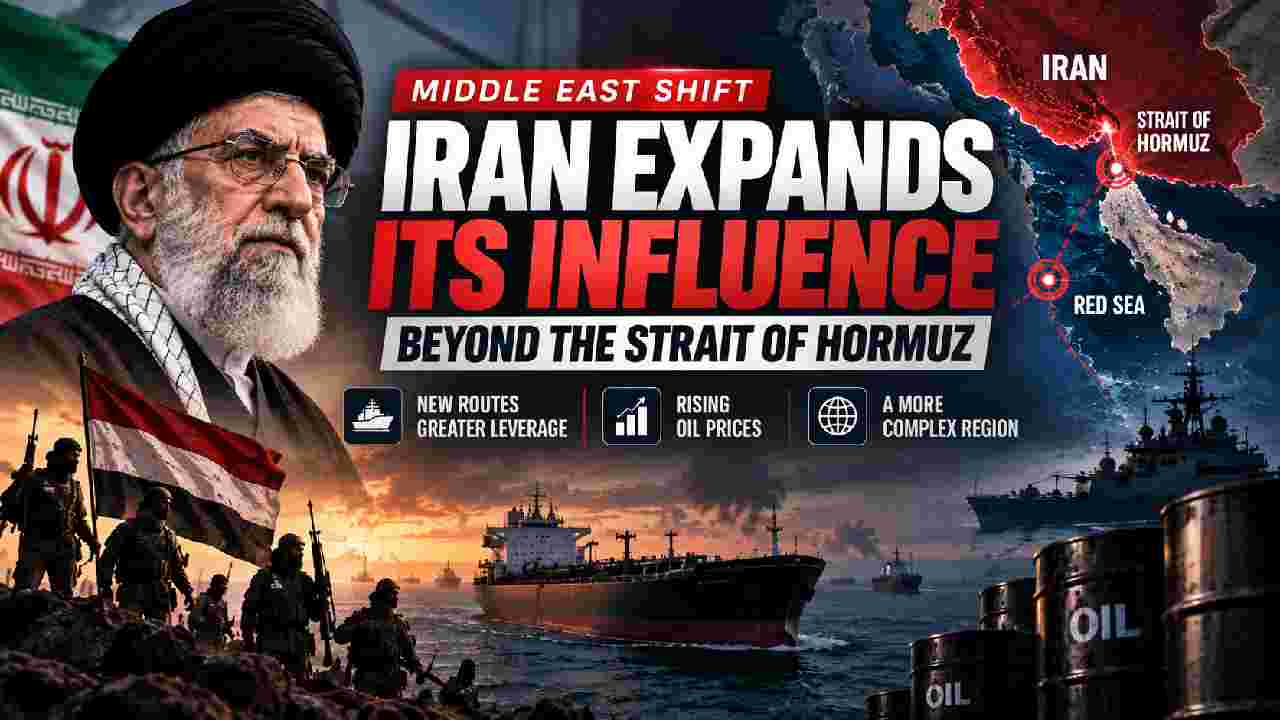
Ohana Magazine – Iran Expands Regional Influence as pressure on Middle Eastern energy routes moves beyond the Strait of Hormuz. Recent developments in the Red Sea suggest that Tehran can gain leverage without relying on one strategic waterway. Iran-aligned Houthi forces in Yemen seized an island in the Red Sea on September 11, giving them a new position near important shipping routes. The move adds another layer of uncertainty for oil exporters and vessels moving through the region. Gregory Brew, a senior analyst at Eurasia Group, said Houthi gains have shifted the balance of power toward Iran. Yet the relationship between Tehran and the Houthis remains complex. Iran provides weapons, money, and logistical support, while the group also follows its own interests in Yemen. This arrangement gives Tehran influence without requiring direct control over every Houthi decision, creating a more flexible form of regional pressure.
Houthi Gains Put Red Sea Shipping Under Pressure
The Red Sea has become increasingly important as the conflict reshapes the movement of energy across the Middle East. By gaining a foothold on an island, the Houthis may increase pressure around shipping routes used to carry oil from the region. For energy markets, even the risk of disruption can matter because shipping companies must consider safety, insurance costs, and possible delays. Longer routes may also increase transport costs when companies decide that familiar passages are too dangerous. Meanwhile, Iran gains another source of regional leverage without depending only on events around Hormuz. Still, analysts caution against viewing every Houthi action as a direct order from Tehran. The group receives important Iranian support but also has its own political and military goals. That distinction matters because it makes the relationship harder to predict. Even so, Houthi activity can benefit Iran when it places additional pressure on regional rivals.
Read More : 7 Household Workers Who
Oil Prices Show the Global Cost of Regional Tension
The impact is already reaching beyond military positions and shipping maps. Oil prices climbed to around $110 per barrel on Friday, roughly 50 percent above their level before the war. Such a rise shows how quickly fears about Middle Eastern supply routes can spread through global markets. When tankers face danger or key infrastructure becomes vulnerable, traders begin to price the risk of lower supply into energy markets. Higher oil prices can then reach ordinary households through transportation costs, fuel bills, and more expensive goods. The political effects may also become significant in the United States. President Donald Trump faces midterm elections in November, making energy prices a sensitive domestic issue. As a result, events in the Red Sea can influence political debates thousands of miles away. Iran may therefore gain leverage not only through military pressure but also through the economic uncertainty created around crucial energy routes.
Saudi Arabia Faces a Difficult Energy Security Test
Saudi Arabia is also feeling the effects of growing instability around regional energy routes. Its oil exports reportedly fell last month to their lowest level in at least 13 years. At the same time, a pipeline leading toward a Saudi Red Sea port was temporarily closed after a drone attack launched from Iraqi territory. These events highlight a wider problem for Riyadh. Protecting oil production alone is not enough when pipelines, ports, and shipping lanes can also face disruption. Washington’s inability to provide complete security across every route adds another concern for Saudi leaders. Trump has shown little interest in starting a new military operation against the Houthis in Yemen, citing claims that the group does not seek direct conflict with Washington. For Riyadh, however, restraint from the United States does not remove the immediate risk. Saudi officials must protect energy exports while avoiding steps that could deepen an already dangerous regional conflict.
Read More : Thailand Temple Scandal Deepens
Strait of Hormuz Remains Far From Normal
Iran’s growing leverage elsewhere does not mean the Strait of Hormuz has returned to normal. Shipping traffic through the waterway remains far below the level seen before the war. Only a limited number of vessels have reportedly managed to pass with support from United States naval escorts. That situation keeps one of the world’s most important energy routes under pressure while new risks develop around the Red Sea. As a result, exporters and shipping companies face uncertainty at more than one strategic point. Hormuz remains vital for energy shipments from the Gulf, but the conflict now shows that pressure can spread across a much wider network. This change matters because alternative routes become less useful when several areas face security problems at the same time. Instead of depending on a single chokepoint, Iran can benefit from a regional environment where multiple disruptions force rivals to divide their attention and resources.
Washington Must Balance Restraint and Regional Security
The United States now faces a difficult choice as the conflict spreads across important shipping routes. A new military campaign against the Houthis could deepen the war and create another dangerous front. However, avoiding direct action may allow continued pressure on vessels and energy infrastructure. Trump has so far appeared reluctant to launch another operation in Yemen, even as regional partners face growing security concerns. This restraint creates a wider strategic question for Washington. Gulf allies depend partly on American military power to protect important trade routes, yet the United States cannot guarantee complete security across such a large area. Rising oil prices add domestic pressure because American voters can feel the economic impact through fuel and transportation costs. Therefore, Washington must consider several risks at once: protecting allies, keeping energy routes open, avoiding a larger war, and limiting economic damage before the November midterm elections.
A Wider Network Is Reshaping Iran’s Regional Power
The latest developments show how regional influence can grow without direct control over every battlefield. Iran still faces major risks, yet pressure from allied groups can force rivals to respond across several locations at once. The Houthis’ position in the Red Sea adds to the continuing disruption around Hormuz, while attacks on energy infrastructure increase uncertainty for exporters such as Saudi Arabia. This wider network gives Tehran room to influence the regional balance without depending entirely on conventional military action. However, the strategy also carries danger. A major attack on shipping, energy facilities, or military targets could trigger retaliation and push the region toward a broader war. For now, Iran appears to benefit from an environment where uncertainty itself creates leverage. The real test will be whether Tehran and its allies can maintain that pressure without crossing a line that brings the full-scale conflict they may prefer to avoid.