Iran at the 2026 FIFA World Cup: Where Global Football Meets the Limits of Sovereignty
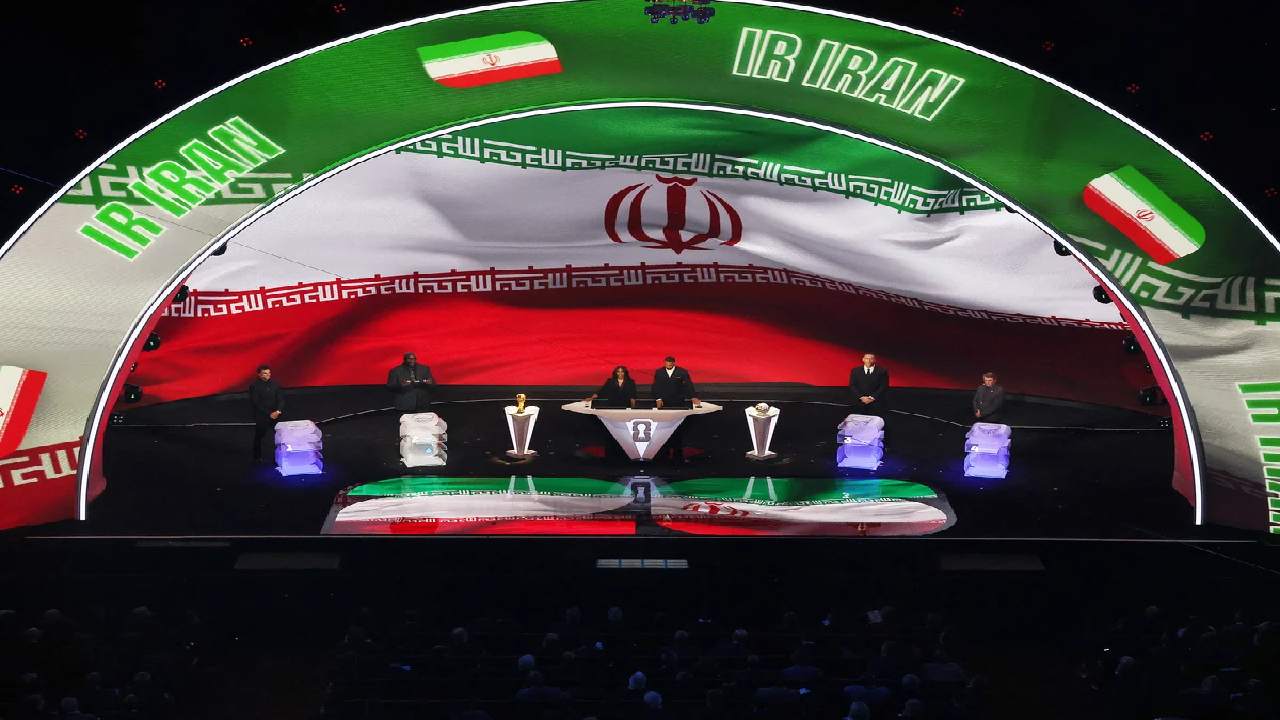
Ohana Magazine – The 2026 FIFA World Cup has become more than a celebration of football. It has also sparked an important conversation about politics, security, and the limits of international sports governance. As the Iranian national team prepares to compete on football’s biggest stage, questions have emerged regarding visa restrictions, border controls, and the role of FIFA in protecting equal participation. While football is often described as a universal language that unites people across cultures, the situation surrounding Iran demonstrates that global tournaments do not exist in isolation from geopolitical realities. The debate has attracted attention from academics, policymakers, and football fans alike. More importantly, it has revealed how international sporting organizations can sometimes struggle when national security policies and sovereign interests take precedence over the ideals of global competition.
FIFA’s Vision of a Borderless Global Tournament
For decades, FIFA has promoted the World Cup as an event that transcends political divisions. Through strict regulations and hosting agreements, the organization seeks to create a unified environment where every qualified nation can compete under equal conditions. In theory, this system allows FIFA to exercise significant authority over tournament operations, security protocols, and logistical arrangements. Furthermore, host nations are often required to adapt local regulations to accommodate FIFA’s standards. This model reflects a broader concept known in security studies as transnational governance. Under such a framework, international organizations work alongside governments and private actors to ensure that global events run smoothly. However, the effectiveness of this approach depends heavily on cooperation from host countries. As the Iran situation illustrates, even the most powerful sports institutions can face limitations when national governments prioritize domestic security concerns.
Read More : Oliver Tree Among Six Killed In Tragic Rio Helicopter Crash
The Concept of Floating Sovereignty in Modern Sports
Many scholars describe FIFA’s influence during major tournaments through the idea of “floating sovereignty.” This concept suggests that international organizations temporarily exercise a form of authority within host nations. During a World Cup, specific areas become FIFA-controlled environments where tournament regulations often shape decision-making processes. In addition, special legal arrangements may be introduced to protect commercial rights, broadcasting agreements, and security operations. As a result, FIFA appears to operate beyond traditional borders. Nevertheless, this authority is not absolute. It functions only as long as national governments agree to support it. The Iranian case demonstrates how quickly this balance can change. When state authorities invoke national security measures or immigration controls, the practical power of international organizations can diminish significantly. Consequently, the World Cup becomes a fascinating example of how global governance and national sovereignty interact in real-world situations.
Visa Restrictions Expose the Limits of FIFA’s Power
The controversy surrounding Iran largely stems from restrictions affecting members of its delegation. Reports regarding visa limitations and travel controls have raised concerns about equal access for participating teams. While FIFA regulations generally support the free movement of qualified participants, governments retain ultimate authority over border management. Therefore, host nations maintain the legal right to determine who may enter their territory. This reality places FIFA in a difficult position. On one hand, the organization seeks to guarantee fairness and inclusivity. On the other hand, it cannot easily override national immigration laws. As a result, the situation has highlighted a significant contradiction within global sporting events. Although international tournaments promote unity and cooperation, they remain dependent on the political decisions of sovereign states. The Iranian experience illustrates how those decisions can directly influence participation and preparation.
Read More :US Navy Drone Specs Rescue Apache Crew Near Hormuz
National Security Remains the Ultimate Authority
The debate surrounding Iran reinforces an important principle in international relations: state-centric security remains dominant. Despite the growing influence of global organizations, governments still control territory, borders, and national security policies. These powers represent core elements of sovereignty that are rarely surrendered. Consequently, when security assessments conflict with international sporting objectives, governments typically retain the final say. The United States, as one of the World Cup hosts, possesses broad authority to enforce immigration regulations based on its national interests. From a security perspective, this authority cannot easily be challenged by external institutions. Therefore, the Iranian case serves as a reminder that the global reach of organizations like FIFA has practical boundaries. While international cooperation continues to expand, national governments remain the most powerful actors when questions of security and border control arise.
The Clash Between Commercial Interests and Risk Management
Another important dimension of this discussion involves the tension between commercial priorities and security concerns. FIFA invests enormous resources into organizing the World Cup and protecting its global brand. Consequently, the organization seeks stability, accessibility, and smooth tournament operations. However, governments often evaluate situations through a different lens. Their primary responsibility is managing risks and protecting national interests. These contrasting priorities can create friction, particularly when geopolitical tensions influence decision-making. In the case of Iran, the challenge lies in balancing the commercial and symbolic goals of the World Cup with security policies designed to address broader concerns. As global sporting events continue to grow in scale and significance, similar conflicts may become more common. Therefore, understanding the relationship between sports governance and state authority will remain increasingly important.
What the Iran Case Means for Future Global Events
The experience of the Iranian national team at the 2026 FIFA World Cup offers valuable lessons for future international competitions. First, it demonstrates that global sporting organizations cannot operate independently of political realities. Second, it highlights the enduring strength of national sovereignty in an interconnected world. Finally, it encourages policymakers and sports leaders to rethink how international events are governed. As global tournaments become larger and more complex, cooperation between governments and international institutions will become even more essential. At the same time, participants and fans will continue to expect fairness, accessibility, and equal treatment. The challenge moving forward is finding a balance between these competing priorities. The Iran case has shown that achieving that balance is far from simple, yet it remains one of the most important issues facing international sport today.