The Modern Pompeii Beneath Concrete: How Gibellina Became a Living Memory in Stone
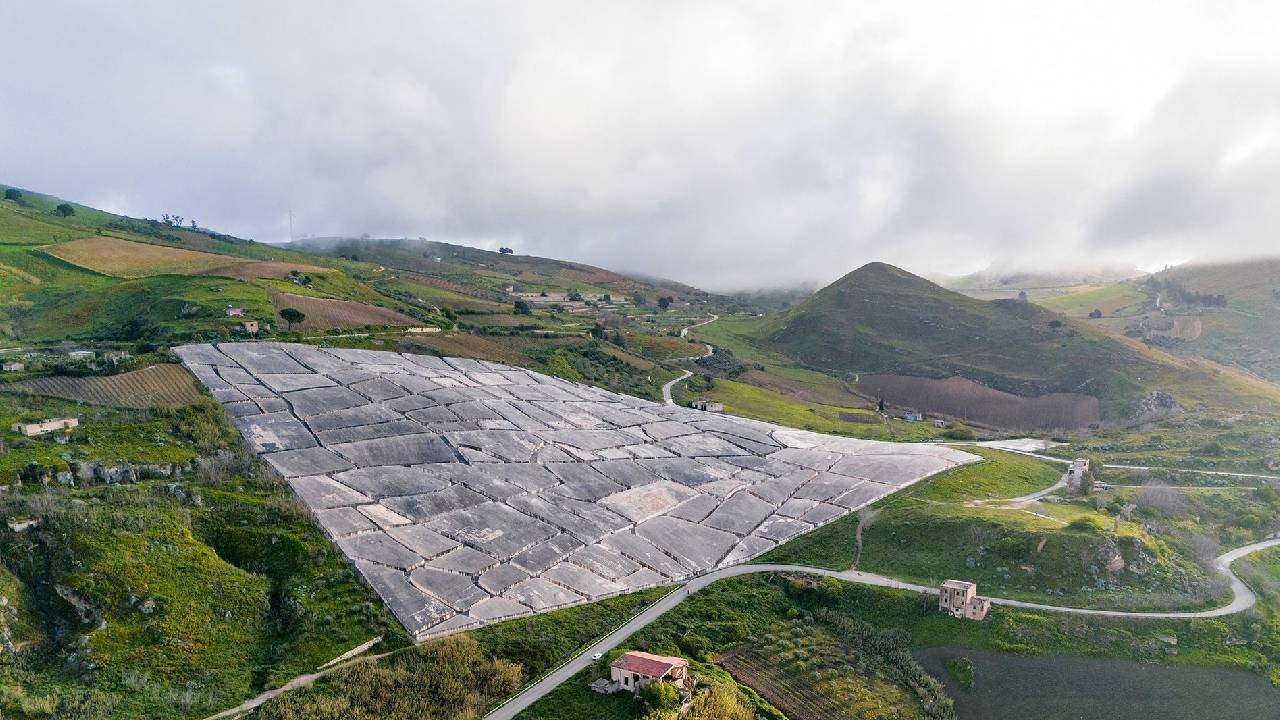
Ohana Magazine – In the quiet hills of western Sicily, where the wind gently brushes olive trees and distant mountains blur into the horizon, there lies a story frozen in time. The modern Pompeii beneath concrete, known as Gibellina, is not just a place it is a memory sealed forever under layers of cement. When a devastating earthquake struck on January 15, 1968, it erased homes, streets, and lives in an instant. However, instead of allowing the town to vanish into history, artist Alberto Burri chose a bold and emotional path. He transformed tragedy into art by covering the ruins with massive slabs of concrete, creating what is now called the “Grande Cretto.” Today, this haunting masterpiece stands as both a monument of loss and a testament to human resilience.
A Landscape That Tells Two Different Stories
At first glance, the Belice Valley appears peaceful and picturesque, much like other regions of Italy. Rolling hills stretch endlessly, and the sunlight paints everything in warm tones. However, as visitors move deeper into the area, the atmosphere begins to shift. On one side, fragments of old buildings rise quietly, whispering stories of the past. On the other, a vast expanse of gray concrete dominates the landscape. This contrast creates a powerful visual narrative. It reminds visitors that beauty and tragedy can exist side by side. As a result, the modern Pompeii beneath concrete becomes more than just a location it becomes an emotional journey through history and memory.
Read More : Meghan Markle & Prince Harry Visit Children’s Hospit
The Earthquake That Changed Everything
The earthquake of 1968 did not simply damage Gibellina it erased it. Families lost their homes overnight, and the town’s identity seemed to vanish in the chaos. Survivors carried deep emotional scars, while the ruins remained as silent witnesses to the disaster. In many places, such destruction leads to abandonment. However, in Gibellina’s case, the community chose a different path. Instead of rebuilding directly on the ruins, they decided to preserve what was left in a meaningful way. Therefore, the tragedy became the foundation for something extraordinary. The modern Pompeii beneath concrete began as an idea to honor the past while acknowledging the pain that shaped it.
Alberto Burri’s Vision of Memory and Art
Artist Alberto Burri did not see ruins as something to hide or erase. Instead, he viewed them as a canvas for remembrance. He poured thousands of tons of concrete over the destroyed town, carefully shaping it into large blocks separated by narrow paths. These paths follow the original streets of Gibellina, allowing visitors to walk through the memory of the town. Each concrete slab represents a building that once stood there. As a result, the Grande Cretto transforms loss into something tangible. It invites people to reflect, to feel, and to remember. Through this bold artistic vision, the modern Pompeii beneath concrete became a powerful symbol of both destruction and preservation.
Read More : Kylie Jenner Looks Casual at Coachella, Supporting Justin
Walking Through a Town Frozen in Time
Visitors who step onto the Grande Cretto often describe a strange and emotional experience. The narrow pathways guide them through what once were streets filled with life. Although the buildings no longer stand, their presence can still be felt. The height of the concrete blocks mirrors the scale of the original structures, creating an almost ghost-like sense of space. As people walk, they begin to imagine the voices, the laughter, and the daily routines that once filled these streets. Consequently, the modern Pompeii beneath concrete does not feel empty. Instead, it feels deeply alive with memory, offering a quiet yet powerful connection to the past.
From Tragedy to Cultural Destination
Over time, the Grande Cretto has evolved into more than a memorial. It has become a destination that draws visitors from around the world. Travelers come not only to see the artwork but also to understand the story behind it. Meanwhile, the nearby new town of Gibellina has embraced a completely different identity. It stands as a hub of contemporary art, filled with sculptures and installations from renowned artists. This transformation highlights the resilience of the community. Rather than remaining defined by tragedy, they chose to rebuild with creativity and purpose. Therefore, the modern Pompeii beneath concrete now represents both remembrance and renewal.
The Meaning Behind a City Covered in Stone
At its core, the story of Gibellina raises an important question: how should we remember the past? Some places choose to rebuild exactly as they were, while others move forward without looking back. However, Gibellina found a balance between the two. By preserving the ruins under concrete, the town ensures that its history will never fade. At the same time, the new city continues to grow and evolve. This duality creates a powerful message about memory and identity. Ultimately, the modern Pompeii beneath concrete reminds us that even in the face of loss, humanity can find ways to honor the past while still embracing the future.