Fuel Prices Surge in Pakistan, Free Public Transport Offers Relief to Struggling Citizens
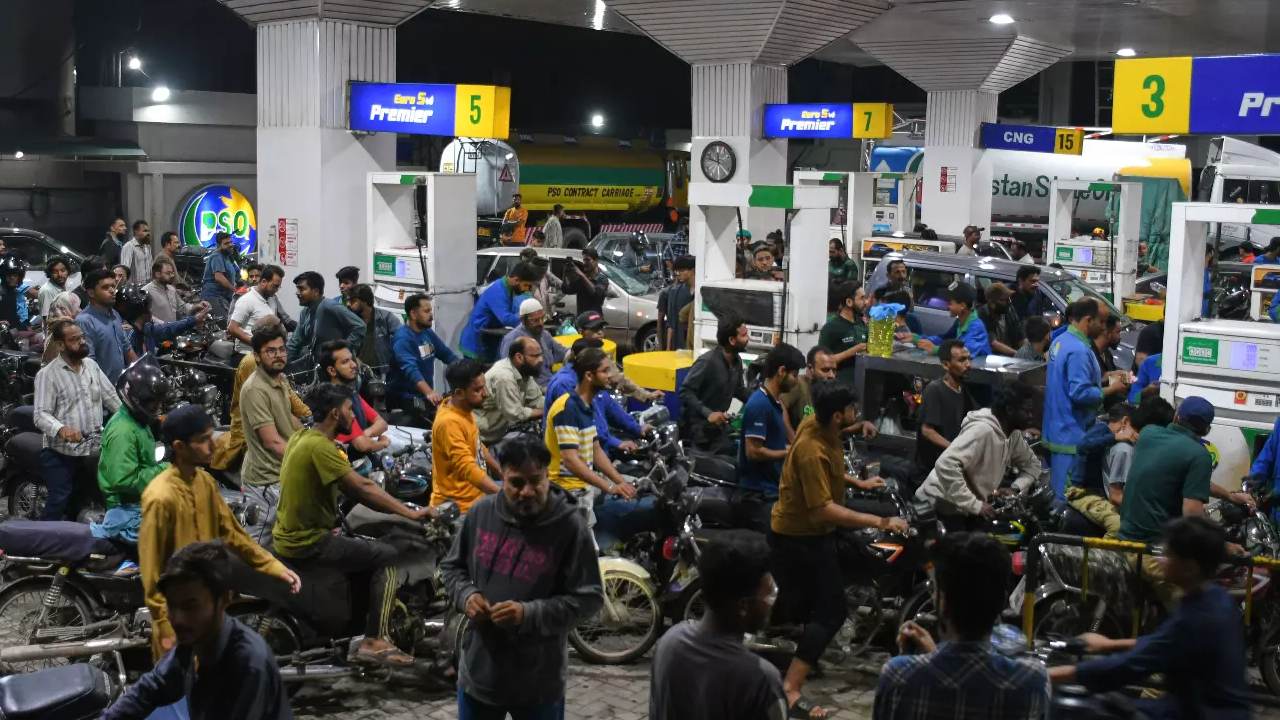
Ohana Magazine – Fuel prices surge in Pakistan have shaken daily life, creating a ripple effect that reaches far beyond gas stations. When the government abruptly raised gasoline prices by 42.7 percent, citizens were caught off guard, leading to long queues at fuel stations and growing frustration on the streets. Almost instantly, protests erupted across several regions, reflecting the deep economic pressure felt by ordinary families. For many, fuel is not just a commodity but a lifeline that supports work, mobility, and survival. As a result, this sudden spike has amplified concerns about affordability and stability. In a country where a significant portion of the population already faces financial hardship, the increase has become more than an economic issue it has turned into a human story of resilience and uncertainty.
Government Responds with Emergency Policy Adjustment
Recognizing the urgency of the situation, Pakistan’s government quickly revised its decision in an attempt to calm public anger. Prime Minister Shehbaz Sharif announced a reduction in gasoline prices to 378 rupees per liter after cutting taxes, offering temporary relief to citizens. This swift response highlights how critical it is for policymakers to remain adaptable during crises. However, while gasoline prices were adjusted, diesel prices remained high, adding another layer of complexity to the issue. This partial rollback demonstrates the delicate balance between fiscal responsibility and public welfare. Moreover, the government’s promise to continue working until conditions stabilize reflects a commitment to restoring trust. Even so, many citizens remain cautious, knowing that economic volatility can quickly reverse any short-term relief.
Read More : Article: US Gas Hits $4 as Trump Tells Other Nations to ‘Go Get Your Own Oil’
Free Public Transport Becomes a Lifeline for Millions
In a bold and compassionate move, the government introduced free public transport for 30 days in Islamabad and Punjab, providing immediate support to those most affected. This policy has transformed buses and public transit systems into symbols of relief amid financial strain. For daily commuters, especially low-income workers, the initiative reduces the burden of rising transportation costs. Furthermore, it allows families to redirect limited resources toward essential needs such as food and healthcare. While the policy is expected to cost the government around 350 million rupees, its social impact is immeasurable. By prioritizing accessibility, the government sends a powerful message that public welfare remains at the heart of its decisions. Consequently, this measure not only addresses economic concerns but also restores a sense of dignity for struggling citizens.
Regional Governments Step In with Additional Support
Beyond the federal response, regional authorities have also taken proactive steps to ease the economic strain. In Punjab, Chief Minister Maryam Nawaz Sharif expanded support by eliminating fares for state-owned transport and providing targeted subsidies for trucks and buses. This approach ensures that transportation providers do not pass increased costs onto passengers. Meanwhile, in Sindh, including the bustling city of Karachi, local governments introduced subsidies for motorbike riders and small-scale farmers. These layered efforts reflect a coordinated attempt to cushion the impact across different sectors of society. As a result, the crisis response becomes more inclusive, addressing both urban and rural challenges. This collaboration between national and regional governments demonstrates how unified action can create a stronger safety net during economic turbulence.
Read More : The Dark Side of Fine Dining Is Becoming Impossible to Ignore
Global Tensions Drive Energy Crisis at Home
The fuel prices surge in Pakistan cannot be viewed in isolation, as it is deeply connected to global geopolitical tensions. The ongoing conflict involving Iran has disrupted shipping routes in the Strait of Hormuz, a critical passage for global energy supply. Since a significant portion of the world’s oil flows through this route, any disruption quickly translates into higher prices worldwide. Consequently, countries like Pakistan, which rely heavily on energy imports, feel the impact almost immediately. This situation highlights the fragile nature of global energy systems and their direct influence on everyday life. As tensions escalate, uncertainty grows, making it difficult for governments to predict or control future price fluctuations. Therefore, the crisis serves as a reminder of how interconnected the modern world truly is.
Economic Pressure Deepens for Vulnerable Communities
For millions of Pakistanis, the rising cost of fuel intensifies an already challenging economic reality. According to World Bank data, about 25 percent of the population lives in poverty, making them especially vulnerable to price shocks. As transportation and goods become more expensive, the cost of living rises sharply, placing additional strain on households. In this context, even small increases can have significant consequences, forcing families to make difficult choices. Moreover, the emotional toll of financial instability often goes unnoticed, yet it shapes how people navigate their daily lives. The government’s interventions, while helpful, must contend with these deeper structural challenges. Ultimately, the crisis underscores the importance of long-term solutions that address not only immediate needs but also systemic inequality.
Energy-Saving Measures Reflect a Nation in Adaptation
In response to the ongoing crisis, Pakistan has introduced energy-saving measures that reflect a broader effort to adapt to new realities. These include implementing a four-day workweek for some government offices, extending school holidays, and shifting certain activities to online platforms. Such measures aim to reduce overall energy consumption while easing pressure on national resources. At the same time, they signal a shift in how society operates during periods of uncertainty. Although these adjustments may feel disruptive, they also open opportunities for innovation and efficiency. By embracing flexible approaches, the country demonstrates resilience in the face of adversity. As the situation evolves, these strategies may become essential tools for navigating future challenges in an increasingly unpredictable world.