SpaceX IPO Draws Global Attention After Mars Appears 63 Times in Prospectus
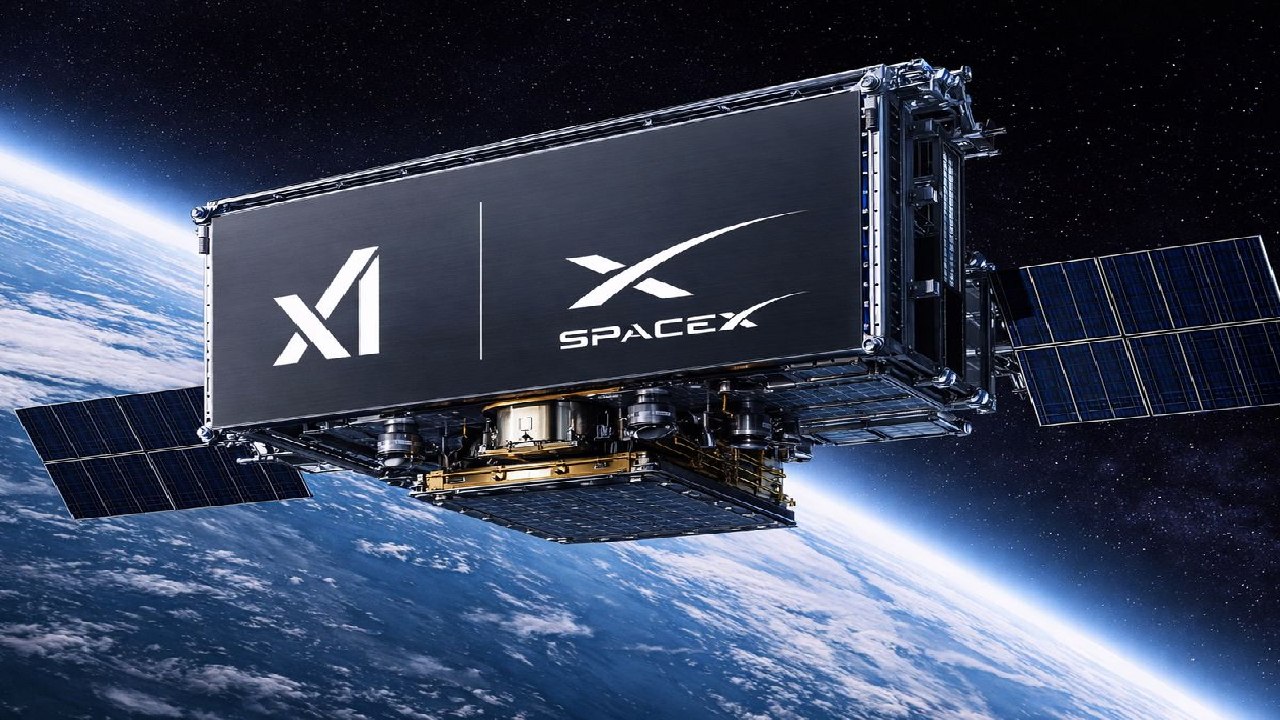
Ohana Magazine – The upcoming SpaceX IPO has become one of the most discussed financial stories of 2026 after investors discovered several unusual details inside the company’s prospectus. Instead of focusing only on financial performance and business strategy, the document also highlights ambitious plans involving Mars colonization, artificial intelligence, asteroid mining, and futuristic space industries. Market analysts immediately reacted because the prospectus reads more like a long-term science fiction vision than a traditional Wall Street filing. One detail especially captured public attention: the word “Mars” reportedly appears 63 times throughout the document. The IPO itself could become one of the largest in American financial history, with SpaceX targeting around 75 billion US dollars in funding and a valuation close to 2 trillion dollars. However, beyond the massive numbers, investors now find themselves debating whether SpaceX represents the future of humanity or one of the boldest financial gambles ever introduced to public markets.
Mars Colonization Became the Center of the Prospectus
Unlike most public companies, SpaceX openly placed Mars colonization at the center of its long-term vision. According to the prospectus, the company wants to “expand the light of consciousness throughout the universe” by building a permanent human settlement on the red planet. The repeated references to Mars immediately surprised financial experts because public company filings rarely focus so heavily on futuristic exploration goals. Even more unusual, the document mentions that Elon Musk could receive an additional one billion shares if SpaceX successfully helps establish a permanent colony of at least one million people on Mars. This compensation structure shocked many investors because executive rewards normally depend on profits, revenue growth, or market performance. Instead, SpaceX connected long-term shareholder value directly to humanity’s expansion into space, creating one of the most unconventional IPO narratives in modern financial history.
Read More : UK and Australia Push Stricter Social Media Rules to
Investors Reacted With Curiosity and Skepticism
As details from the prospectus spread online, reactions from investors became deeply divided. Some people praised SpaceX for presenting a bold vision that goes far beyond traditional business goals. Supporters argued that the company represents innovation, ambition, and long-term thinking rarely seen in corporate America. However, others questioned whether the prospectus focused too heavily on futuristic dreams instead of immediate financial stability. Wall Street analysts noted that many sections felt highly speculative compared to standard IPO documents. The inclusion of topics like asteroid mining, extraterrestrial energy production, and space manufacturing created excitement but also uncertainty. Some investors worry that emotional enthusiasm surrounding Elon Musk could overshadow important financial risks. Nevertheless, the unusual filing succeeded in capturing worldwide attention. Even people outside the investment world started discussing SpaceX’s plans because the prospectus blurred the line between science, technology, and financial storytelling.
SpaceX Wants to Become More Than a Rocket Company
Throughout the document, SpaceX repeatedly describes itself as much more than a rocket launch business. The company positions itself as a future technology giant capable of transforming transportation, communication, artificial intelligence, and even human civilization itself. SpaceX believes future industries beyond Earth could create enormous economic opportunities worth trillions of dollars. This vision includes space manufacturing, asteroid resource extraction, and large-scale extraterrestrial infrastructure development. Such ambitious language rarely appears inside IPO filings because most companies focus on existing business operations rather than distant possibilities. However, SpaceX continues following the leadership style of Elon Musk, who often combines technological innovation with visionary storytelling. Many investors now see the IPO not only as a financial opportunity but also as a chance to participate in a broader mission involving humanity’s future beyond Earth. That emotional narrative has become one of the offering’s strongest attractions.
Read More :The World is on Alert: Congo’s Ebola Outbreak Officially
Financial Losses Raised Important Questions
Despite its futuristic ambitions, SpaceX also revealed significant financial losses inside the prospectus. The company reported revenue of around 18.7 billion US dollars during 2025. However, SpaceX also recorded losses reaching approximately 4.9 billion dollars during the same period. In the first quarter of 2026 alone, reported losses reportedly reached 4.3 billion dollars. These numbers immediately became a major concern for cautious investors. Although many technology companies operate at losses during expansion phases, the scale of SpaceX’s spending remains enormous. Analysts believe massive investments in rockets, satellite systems, artificial intelligence, and Mars programs continue consuming huge amounts of capital. Some investors remain confident because they view the losses as part of long-term growth. Others worry the company’s aggressive ambitions could become financially difficult to sustain. As a result, discussions surrounding the IPO now balance excitement about innovation with concerns regarding profitability and risk.
Elon Musk’s Influence Shapes the Entire Narrative
It is impossible to separate SpaceX from the powerful public image of Elon Musk. Throughout the IPO discussions, Musk remains the central figure driving both excitement and controversy around the company. Supporters see him as a visionary entrepreneur capable of changing industries and pushing humanity toward technological breakthroughs. Critics, however, argue that his unpredictable leadership style creates additional uncertainty for investors. The prospectus itself reflects Musk’s influence strongly because it combines financial goals with philosophical ideas about humanity’s future in space. References to Mars colonization, artificial intelligence, and long-term civilization survival all connect closely with Musk’s personal worldview. For many investors, buying SpaceX shares may feel less like purchasing a normal stock and more like investing in an ambitious global mission. This emotional connection explains why the IPO has generated extraordinary attention far beyond traditional financial circles.
SpaceX IPO Could Redefine Modern Market Expectations
If the offering succeeds, the SpaceX IPO could reshape how future technology companies present themselves to investors. Traditional public offerings usually emphasize measurable financial performance and short-term business growth. SpaceX, however, built its prospectus around long-term civilization-scale goals involving Mars and deep-space industries. This strategy may influence other ambitious technology firms to adopt more visionary storytelling when entering public markets. At the same time, financial experts warn that emotional narratives should never replace careful risk analysis. The IPO therefore represents more than a simple fundraising event because it reflects changing relationships between technology, investment culture, and public imagination. Whether investors fully embrace the company’s futuristic ambitions remains uncertain. However, one fact is already clear: few IPOs in modern history have generated this level of fascination, debate, and curiosity before shares even officially reach the stock market.