Yen Nears 40-Year Low Against the US Dollar as Japan Prepares for Possible Intervention
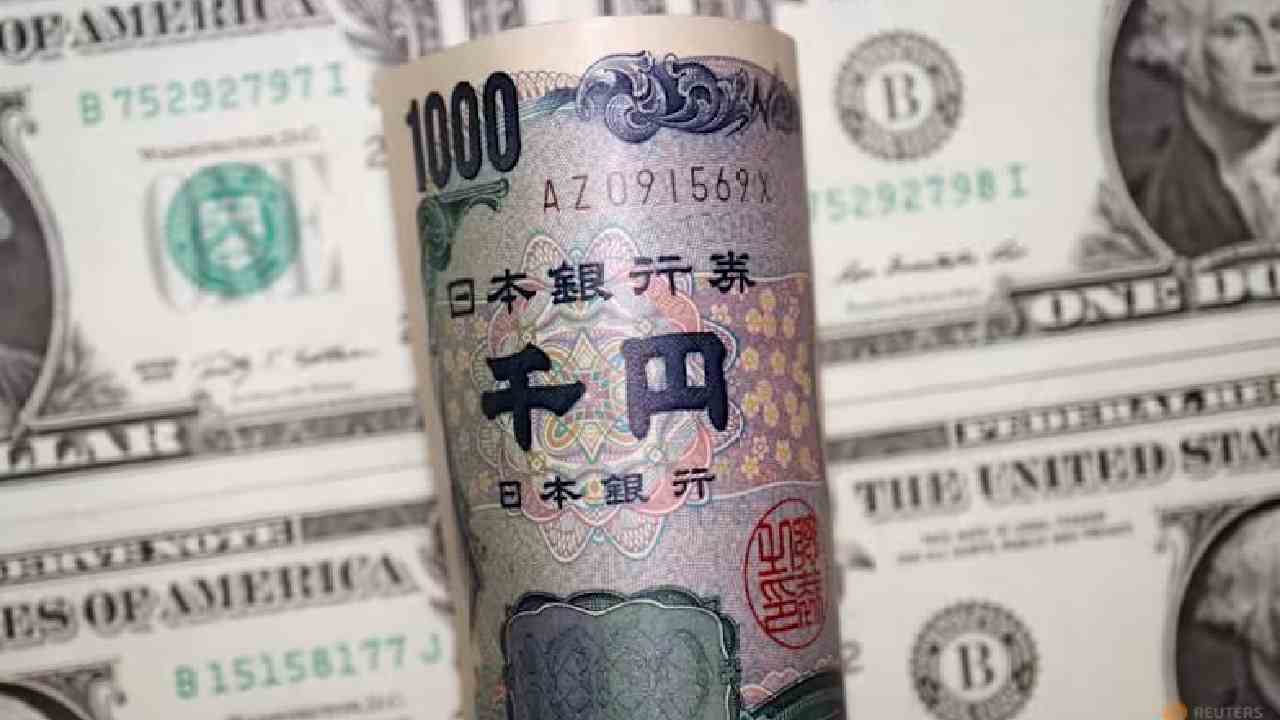
Ohana Magazine – The Japanese yen is once again under intense pressure as it approaches one of its weakest levels against the US dollar in nearly four decades. This development has captured the attention of investors, economists, and policymakers around the world. While currency fluctuations are common, the current situation carries greater significance because it reflects broader concerns about global economic stability. As the yen continues to lose value, Japanese households and businesses are beginning to feel the impact through rising import costs and increased uncertainty. Meanwhile, financial markets remain highly sensitive to every statement from Japanese officials and central bankers. Consequently, speculation about possible government intervention has grown stronger. For many observers, the weakening yen is not just a currency story; it is also a reflection of the challenges facing Japan in an increasingly competitive and uncertain global economy.
Interest Rate Differences Continue to Favor the Dollar
One of the primary reasons behind the yen’s weakness is the widening gap between interest rates in Japan and the United States. Although the Bank of Japan recently raised its benchmark rate, the increase remains modest compared to the higher returns available in US financial markets. As a result, global investors continue to favor dollar-denominated assets. Furthermore, the popular carry trade strategy has become increasingly attractive. Investors borrow money in low-interest-rate yen and then invest it in assets that generate higher returns elsewhere. This process creates additional selling pressure on the Japanese currency. At the same time, expectations that US rates could remain elevated for longer continue to strengthen the dollar. Therefore, even small policy changes in Washington can have a significant influence on the direction of the yen and the broader foreign exchange market.
Read More : Pentagon Admits Elon Musk’s Grok AI Was Used in Attack
Japan Sends a Strong Warning to Currency Speculators
As the yen drifts closer to historic lows, Japanese authorities are making it clear that they are prepared to act if market movements become excessively volatile. Government officials have repeatedly emphasized that speculative trading will not be tolerated if it threatens financial stability. This message is particularly important because Japan has intervened in currency markets before. In previous episodes of sharp yen depreciation, authorities spent billions of dollars to support the national currency. While those actions provided temporary relief, they also demonstrated Japan’s willingness to defend economic stability when necessary. Today, investors are closely monitoring official comments for signs of another intervention. Consequently, every statement from the Ministry of Finance carries significant weight. The possibility of government action remains one of the key factors influencing market sentiment in the weeks ahead.
Rising Energy Costs Add More Pressure to the Economy
The weakening yen arrives at a difficult time for Japan because global energy prices remain elevated. As a nation heavily dependent on imported oil and natural gas, Japan is particularly vulnerable to currency depreciation. When the yen loses value, importing energy becomes more expensive, placing additional strain on businesses and consumers. Moreover, higher fuel costs can ripple through the economy, increasing transportation expenses and production costs across multiple industries. Consequently, inflationary pressures become harder to manage. While some inflation can support economic growth, rapid increases in essential expenses often reduce household purchasing power. Therefore, policymakers must carefully balance the need to support economic activity while also protecting consumers from rising costs. The interaction between currency weakness and energy prices has become a central concern for Japan’s economic outlook.
Read More :Oliver Tree Among Six Killed In Tragic Rio Helicopter Crash
The Bank of Japan Watches Economic Risks Closely
The Bank of Japan has maintained that it does not target a specific exchange rate. However, officials continue to monitor how currency fluctuations affect inflation, investment, and consumer spending. Every movement in the yen can influence the prices of imported goods and the profitability of export-oriented companies. Therefore, central bank policymakers face a complex challenge. On one hand, they want to support economic recovery through accommodative policies. On the other hand, they must ensure that inflation remains under control. Additionally, market participants are looking for stronger guidance regarding future interest rate decisions. If the yen continues to weaken sharply, pressure may grow for further policy adjustments. Nevertheless, any decision must be made carefully to avoid disrupting economic momentum or creating unnecessary uncertainty in financial markets.
A Stronger Dollar Continues to Dominate Global Markets
While the yen struggles, the US dollar remains exceptionally strong. The Federal Reserve’s firm stance on inflation and interest rates has reinforced confidence in dollar-based investments. In addition, higher US Treasury yields continue to attract international capital from around the world. This dynamic has created a challenging environment for many currencies, not just the yen. Investors seeking safety and stronger returns often view the dollar as the preferred destination during periods of uncertainty. Consequently, demand for the US currency remains elevated. Furthermore, expectations of continued economic resilience in the United States have strengthened the dollar’s position even more. As long as these conditions persist, currencies such as the yen may continue to face significant downward pressure despite efforts by their respective governments and central banks.
Markets Await Japan’s Next Strategic Move
Financial markets are now focused on what Japan will do next. If the yen falls to new multi-decade lows, expectations for direct intervention are likely to intensify. However, many analysts believe that intervention alone cannot solve deeper structural challenges. While government action may slow depreciation temporarily, long-term stability requires broader economic measures. These include strengthening domestic financial markets, encouraging investment, and maintaining investor confidence in Japan’s economic future. At the same time, policymakers must remain flexible as global conditions continue to evolve. Investors understand that currency markets can change rapidly, especially when geopolitical risks and central bank decisions intersect. Therefore, the coming months may prove crucial in determining whether Japan can stabilize its currency or whether the yen will continue its historic decline against the US dollar.