Secret White House Meeting Ends Without Final Decision as US-Iran Tensions Remain Unresolved
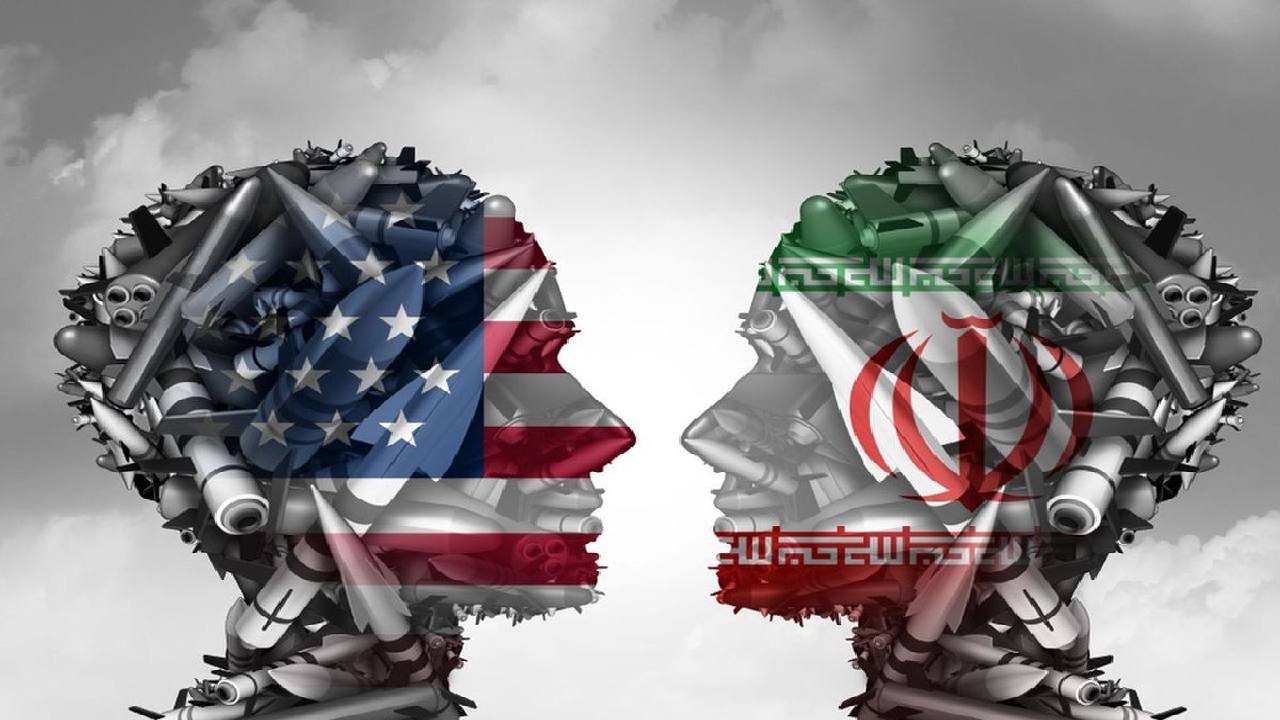
Ohana Magazine – A high-stakes meeting inside the White House Situation Room ended without a final decision on the future of relations between the United States and Iran. The gathering, led by President Donald Trump and his senior advisers, was expected to provide clarity on a proposed framework that could extend the current ceasefire and open a path toward broader negotiations. Instead, the outcome highlighted the complexity of one of the world’s most sensitive diplomatic challenges. While officials from both countries have reportedly discussed a possible agreement, major disagreements remain unresolved. At the center of the dispute are Iran’s nuclear activities and security concerns surrounding the Strait of Hormuz. As uncertainty continues, global observers are watching closely because any breakthrough or failure could influence regional stability, international trade, and energy markets across the world.
The Situation Room Once Again Becomes the Center of Global Attention
The White House Situation Room has long been associated with some of the most critical decisions in American foreign policy. On Friday, it once again became the focal point of international attention as President Trump met with key advisers to evaluate the next steps regarding Iran. Expectations were high because reports suggested that negotiators had already outlined a potential framework for future discussions. However, after the meeting concluded, officials provided little information about what had been decided. The lack of immediate answers fueled speculation among analysts and diplomats. For many observers, the silence reflected the difficult choices facing both governments. Decisions involving national security, nuclear policy, and regional influence rarely come easily. As a result, the absence of a final announcement may indicate that important disagreements still remain behind closed doors.
Read More : Deadly Coal Mine Explosion in China Raises Fresh Question
A Proposed Framework Offers Hope but Not Certainty
According to reports from US officials, representatives from both countries recently reached a preliminary framework agreement awaiting approval from political leaders. The proposal would reportedly extend the current ceasefire for another sixty days while creating an opportunity for further discussions regarding Iran’s nuclear program. On paper, such a development appears promising. It could reduce immediate tensions and create space for diplomacy to continue. However, preliminary agreements often face significant obstacles before becoming official policy. Political leaders must consider domestic pressures, strategic priorities, and public expectations. In this case, both Washington and Tehran face intense scrutiny from supporters and critics alike. Consequently, what appears to be progress today could still encounter major challenges before evolving into a lasting diplomatic breakthrough.
Trump Maintains Firm Conditions for Any Future Agreement
President Trump has continued to emphasize clear conditions for any future arrangement with Iran. Among his primary demands is a guarantee that Iran will never develop nuclear weapons. He has also insisted that shipping traffic through the Strait of Hormuz remain unrestricted in both directions. These requirements reflect broader US concerns about regional security and global economic stability. The Strait of Hormuz remains one of the world’s most important maritime corridors, carrying a significant portion of international energy supplies. Any disruption in the area can quickly affect global markets. Trump’s public statements demonstrate his determination to secure what he considers a favorable outcome for American interests. At the same time, these firm positions may complicate negotiations if Iran continues to reject certain demands presented by Washington.
Read More :A Ghost Town That Hides Invisible Poison: Thousands
Iran Continues to Reject Pressure on Its Nuclear Program
While the United States pushes for stronger commitments, Iranian officials have maintained a different position. Tehran continues to argue that its nuclear program serves peaceful and civilian purposes. Iranian leaders have repeatedly stated that they will not negotiate away what they describe as legitimate national rights. This stance remains one of the most significant barriers to reaching a comprehensive agreement. Furthermore, Iranian officials have challenged several recent claims made by President Trump, accusing him of presenting a mixture of accurate information and misleading statements. Such public disagreements reveal the deep mistrust that continues to shape relations between the two countries. Even when diplomatic channels remain open, conflicting narratives can make progress more difficult. Trust, once damaged, often takes years to rebuild through consistent dialogue and meaningful actions.
The Strait of Hormuz Remains a Strategic Flashpoint
Few waterways carry as much geopolitical importance as the Strait of Hormuz. This narrow passage connects major oil-producing nations to global markets and plays a critical role in international trade. Because of its strategic significance, any discussion involving the strait immediately attracts worldwide attention. The United States has consistently emphasized the need to maintain free navigation through these waters. Meanwhile, Iran views the region as closely tied to its national security interests. This difference in perspective often creates friction during negotiations. Beyond military considerations, the issue also affects businesses, shipping companies, and consumers around the world. Energy prices frequently react to developments involving the strait. Therefore, decisions made in Washington and Tehran can have consequences far beyond the Middle East.
Diplomacy Faces Another Test Amid Growing Uncertainty
The end of the White House meeting without a final decision underscores the challenges facing diplomats on both sides. While a ceasefire remains in place and preliminary discussions continue, uncertainty still dominates the situation. Supporters of diplomacy argue that continued engagement offers the best path toward reducing tensions and preventing future conflict. However, skeptics question whether fundamental disagreements can be resolved in the near term. Both governments face political pressures that limit flexibility during negotiations. Nevertheless, the fact that discussions continue suggests that neither side has completely abandoned the possibility of a deal. For citizens, businesses, and international partners watching from afar, the coming weeks may prove crucial. The future of US-Iran relations remains uncertain, but the search for common ground has not yet come to an end.