Two Powerful Earthquakes Rock Venezuela as Tsunami Alert Raises Regional Concern
Ohana Magazine – The evening of June 24, 2026, quickly turned into a terrifying experience for millions across Venezuela after two powerful earthquakes struck within less than a minute of each other. The first tremor, measuring magnitude 7.2, shook the region before a stronger magnitude 7.5 earthquake followed only seconds later. As buildings swayed and emergency sirens echoed across several cities, thousands of residents rushed into open spaces seeking safety. Although natural disasters are unpredictable, this sequence of earthquakes immediately captured international attention because of its strength and the possibility of tsunami waves. Fortunately, emergency agencies responded rapidly. Nevertheless, the event reminded communities throughout the Caribbean that seismic activity can escalate within moments, leaving little time for preparation and demanding constant readiness from both authorities and citizens.
A Rare Double Earthquake Shakes Venezuela
According to seismic experts, the first earthquake acted as a foreshock before the larger main earthquake struck only 39 seconds later. Such sequences are relatively uncommon, making this event especially significant for researchers monitoring tectonic activity in northern South America. The epicenters were located northwest of Montalban at moderate depth, allowing the shaking to spread across a wide geographical area. Consequently, residents in several regions reported strong ground motion that lasted long enough to create widespread panic. Even people living hundreds of kilometers away felt noticeable vibrations inside homes, offices, and commercial buildings. Because the second earthquake carried greater energy, structural damage increased rapidly in several communities. Therefore, emergency officials immediately activated disaster response procedures to assess the situation and coordinate rescue operations.
Read More : First US-Iran Peace Talks End with Three Key Agreements and New Hope for Stability
Tsunami Warning Creates Additional Anxiety
Shortly after the earthquakes, tsunami monitoring agencies issued temporary warnings for several Caribbean coastal areas. Authorities advised people living near shorelines to remain alert while scientists evaluated the possibility of dangerous sea-level changes. Regions including Puerto Rico, the U.S. Virgin Islands, the British Virgin Islands, and parts of Venezuela were placed under precautionary monitoring. Furthermore, nearby islands such as Aruba, Curaçao, and Bonaire also watched developments closely. Although the warnings were eventually lifted after additional analysis confirmed no significant tsunami threat, those tense moments highlighted how quickly coastal communities can face multiple natural hazards following major earthquakes. As a result, emergency communication systems once again proved essential for delivering accurate information while preventing unnecessary panic.
Caracas Experiences Structural Damage and Public Panic
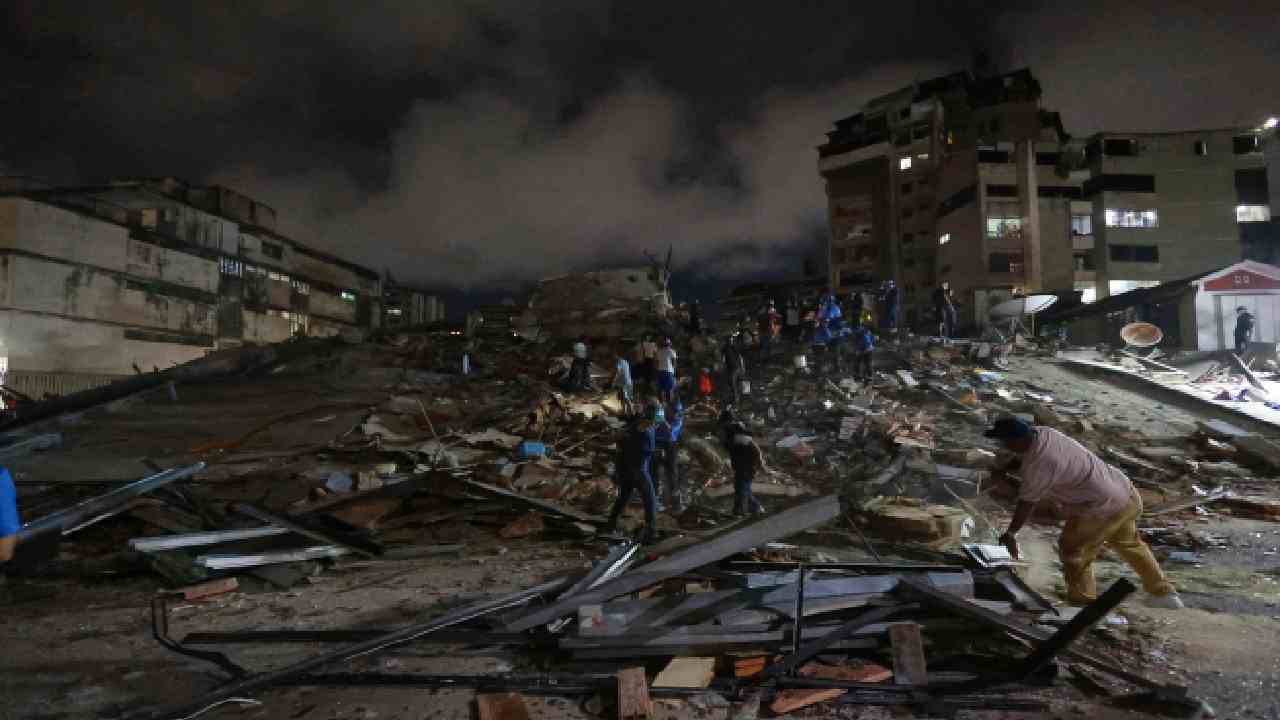
The strongest reports of damage came from Caracas, where residents described frightening scenes as buildings trembled and walls partially collapsed. In several neighborhoods, dust clouds filled the streets after sections of older structures gave way under the intense shaking. Restaurants, offices, and apartment complexes evacuated immediately while emergency responders searched for injured residents and inspected unstable buildings. Meanwhile, government officials urged everyone to stay outdoors until engineers could determine whether damaged structures remained safe. Many families spent hours gathered in parks, parking lots, and other open spaces while waiting for updates. Although widespread panic naturally followed such a powerful disaster, rescue teams continued working efficiently, demonstrating the importance of emergency preparedness during large-scale seismic events.
Read More :Israel’s Move to Take Control of the Ibrahimi Mosque Sparks New Tensions in the West Bank
Authorities Warn of Possible Aftershocks
Even after the strongest shaking stopped, experts emphasized that the danger had not completely passed. Earthquakes of this magnitude often generate aftershocks that may continue for days, weeks, or even months. In some cases, these secondary earthquakes can cause additional structural failures, especially in buildings already weakened by the initial event. Therefore, disaster management agencies encouraged residents to remain cautious and avoid entering damaged properties without official approval. Seismologists also continued reviewing incoming geological data to refine estimates regarding earthquake magnitude, fault movement, and regional risk. Meanwhile, emergency crews maintained high alert levels because rapid response during aftershocks can significantly reduce injuries and property losses. Public cooperation remained equally important throughout the recovery process.
A Powerful Reminder of Nature’s Unpredictable Force
The twin earthquakes served as another reminder that nature often acts without warning, regardless of technological progress or modern infrastructure. While governments invest heavily in monitoring systems and disaster preparedness, no country can completely eliminate earthquake risks. However, effective emergency planning, reliable public communication, and resilient infrastructure can greatly reduce long-term consequences. In Venezuela, the rapid response by emergency agencies helped calm public fears while providing immediate assistance where it was needed most. Looking ahead, engineers, scientists, and policymakers will likely analyze this event carefully to strengthen future preparedness strategies. Most importantly, communities across the region have once again witnessed how awareness, education, and swift cooperation can save lives when powerful natural disasters suddenly strike.